Blog

Wood-plastic materials, commonly referred to as Wood Plastic Composites (WPC), are a category of materials that combine wood fibers or flour with thermoplastics to create a composite material with unique properties. Here are some key articles and knowledge about wood-plastic materials:

  1. “Wood Plastic Composites: A Primer” by N.N. Stark and C.M. Clemons (Forest Products Journal, 2003): This foundational article provides an introduction to the concept of wood plastic composites, discussing their composition, manufacturing processes, and potential applications. It covers the basics of WPC production and highlights the advantages and challenges associated with this material.
  2. “A Review of Wood Plastic Composites’ Effect on the Environment and Human Health” by M. Soltani et al. (Polymers, 2021): This comprehensive review article focuses on the environmental impact and health considerations associated with wood-plastic composites. It discusses the use of recycled materials, carbon footprint, and potential toxicology concerns, providing insights into the sustainable aspects of WPC materials.
  3. “Wood-Plastic Composites—Performance and Environmental Impacts” by J. K. Englund et al. (Materials and Energy Balances, 1999): This article explores the performance characteristics of wood-plastic composites, including mechanical properties, moisture resistance, and long-term durability. It also touches upon the environmental implications of WPC materials, such as their recyclability and potential for reducing solid waste.
  4. “Wood-Plastic Composite Technology” by D. Bender and D. Prager (Handbook of Wood Chemistry and Wood Composites, 2005): This chapter provides an in-depth understanding of wood-plastic composite technology, including the various types of wood fibers and thermoplastics used, processing techniques, and the influence of additives. It delves into the mechanical properties, weatherability, and potential applications of WPC materials.
  5. “Wood Plastic Composite Decking Manufacturing Process” by N. Johnson et al. (Advances in Wood Composites, 2015): Focusing on the manufacturing process, this article outlines the steps involved in producing wood-plastic composite decking. It discusses the extrusion process, selection of raw materials, and the impact of processing parameters on the final product quality.

These articles provide valuable insights into the composition, manufacturing processes, properties, and applications of wood-plastic materials. They offer a comprehensive understanding of WPC technology, sustainability aspects, and considerations for using these materials in various industries. Consulting these resources can further expand your knowledge and understanding of wood-plastic composites.

Advantages and Applications WPC Wood Plastic Composite-banner

Advantages and Applications WPC Wood Plastic Composite

Advantages of WPC Durability: WPC is highly resistant to weathering, moisture, rot, mold, and insects, making it a great alternative to traditional wood, especially for outdoor applications.Low Maintenance: Unlike wood, WPC does not require regular staining, sealing, or painting. A simple cleaning with soap and water is usually sufficient to maintain its appearance.Eco-Friendly: Made from recycled materials (such as wood fibers and plastic), WPC is considered a more sustainable option compared to virgin plastic products.Aesthetic Appeal: WPC can be designed to mimic the look of natural wood, offering a variety of textures and finishes that can suit different design styles.Slip Resistance: Some WPC products are designed with slip-resistant textures, making them a safe choice for outdoor decks, especially around pools or in wet climates. WPC vs. Other Materials WPC vs. Wood: While wood offers a natural, authentic look, it requires more maintenance (painting, sealing, sanding) and is more susceptible to damage from insects, rot, and weather. WPC requires much less maintenance and is more durable in harsh conditions.WPC vs. PVC: WPC contains wood fibers, giving it a more natural appearance and texture, whereas PVC is entirely plastic and tends to have a more artificial look and feel. PVC is generally more resistant to moisture and UV damage but can be more expensive than WPC.WPC vs. Composite Decking: Composite decking generally refers to a combination of wood and plastic, but can vary in the ratio of the two components. WPC is a specific type of composite decking with a higher concentration of wood fibers. It may offer better aesthetics but could be less durable in some cases compared to high-quality plastic-based composites like PVC. Applications of WPC WPC Decking: WPC is widely used for outdoor decks due to its durability, resistance to water, and low maintenance needs. It’s often a top choice for patios, walkways, and garden paths.WPC Fencing: WPC’s resistance to the elements makes it a great choice for fencing, providing a long-lasting alternative to traditional wood fences.WPC Furniture: WPC is used to make outdoor furniture such as tables, benches, and chairs, offering a more durable and weather-resistant option than wood.WPC Cladding: WPC is sometimes used for exterior wall cladding and siding, where its durability and aesthetic appeal can shine while reducing the need for regular upkeep.

Advantages and Applications WPC Wood Plastic Composite Read More »

co-extrusion WPC decking-banner01

Key Benefits of Composite Decking from China

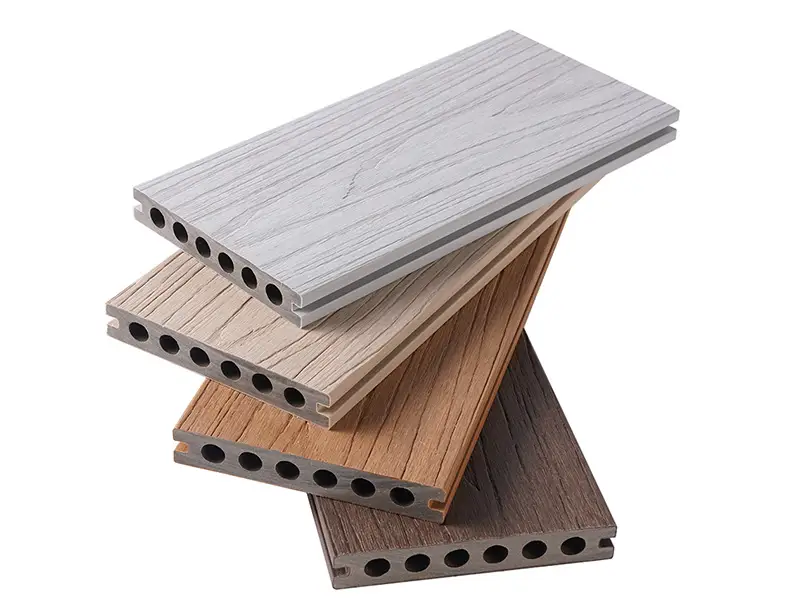
Composite decking from China has become a popular choice worldwide, thanks to its combination of affordability, durability, and high-quality options. Here’s an in-depth look at the features, advantages, considerations, and buying tips for composite decking manufactured in China. Key Benefits of Composite Decking from China Cost-Effective: Compared to decking from other countries, composite decking from China is often more affordable due to lower production costs. This makes it a budget-friendly choice for larger projects.Durability: High-quality Chinese composite decking can last for decades, resisting common issues like mold, fading, splintering, and insect damage. Many products come with UV protection to prevent discoloration from sunlight.Eco-Friendly Options: Many manufacturers in China produce composite decking from recycled materials, making it an environmentally responsible choice.Variety: Chinese manufacturers offer a wide range of colors, textures, and finishes, allowing you to choose a style that complements your outdoor space. There are options that closely mimic natural wood and others with modern, sleek finishes.Low Maintenance: Unlike traditional wood decking, composite decking requires minimal upkeep—no staining, sealing, or painting. A simple cleaning with soap and water keeps it looking new.Types of Composite Decking from ChinaCapped Composite Decking: Features a protective shell or “cap” that covers the surface, offering enhanced protection against moisture and scratches.Uncapped Composite Decking: Slightly more affordable, uncapped decking has no additional layer, but it still offers durability and strength.Co-Extrusion Decking: An advanced type of capped decking that has a dual-layer extrusion, offering even higher protection against UV rays, stains, and scratches. Things to Consider When Buying Composite Decking from China Quality Assurance: Quality can vary among manufacturers, so research brands that offer certifications (such as CE, ISO, or SGS) to ensure the product meets international standards.Minimum Order Quantities (MOQs): Many Chinese manufacturers have minimum order requirements. Make sure to inquire about MOQs if you’re planning a smaller project.Shipping and Import Costs: Factor in the cost of shipping, tariffs, and potential import fees, as they can affect the overall price.Environmental and Health Standards: Look for decking that meets environmental standards and has certifications like FSC or RoHS, which indicate sustainable production practices.Warranty: Reputable manufacturers typically offer warranties, but the terms can vary. Check the warranty for coverage on issues like fading, staining, and structural integrity. Tips for Buying Composite Decking from China Research Manufacturers: Well-known manufacturers in China include companies like Dongstar, Supereco and Fortuna. Investigating their track record, customer reviews, and product certifications can help you choose reliable suppliers.Request Samples: Many manufacturers offer sample shipments, allowing you to check the material’s quality, texture, and color before placing a large order.Check Product Certifications: Look for industry-standard certifications to ensure the decking meets safety and durability standards.Work with Reputable Suppliers: Platforms like Alibaba and Made-in-China.com allow you to communicate with verified manufacturers. Consider working with suppliers that offer trade assurances to protect your purchase. Conclusion Composite decking from China provides an affordable yet durable solution for outdoor decking projects. By choosing reliable manufacturers and verifying product quality, you can benefit from a high-quality deck that enhances your outdoor space while keeping long-term maintenance low.

Key Benefits of Composite Decking from China Read More »

WPC Wall Panel Banner

Advantages of Advanced Co-extrusion WPC Wall Panel

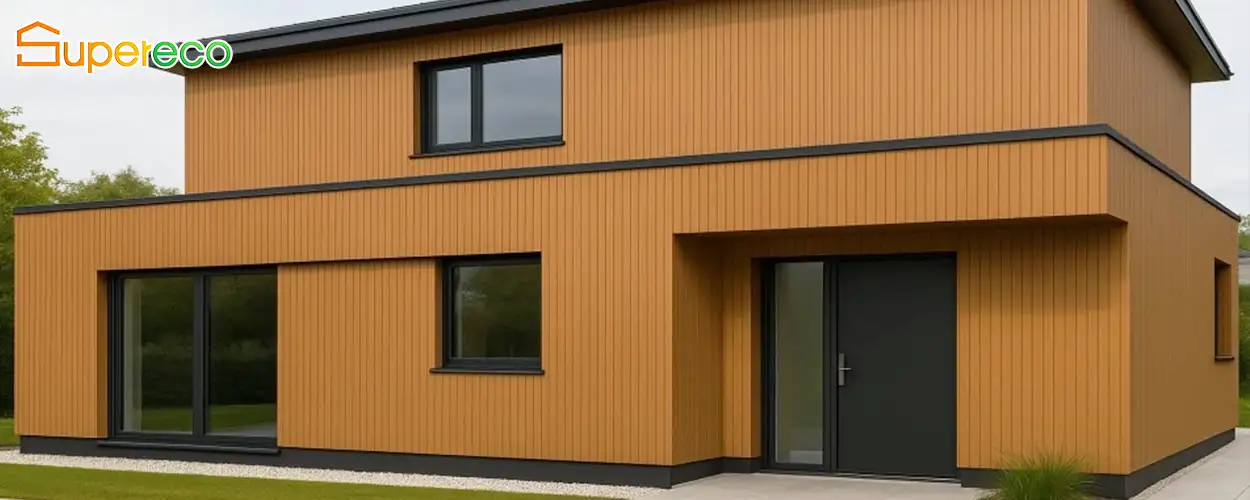
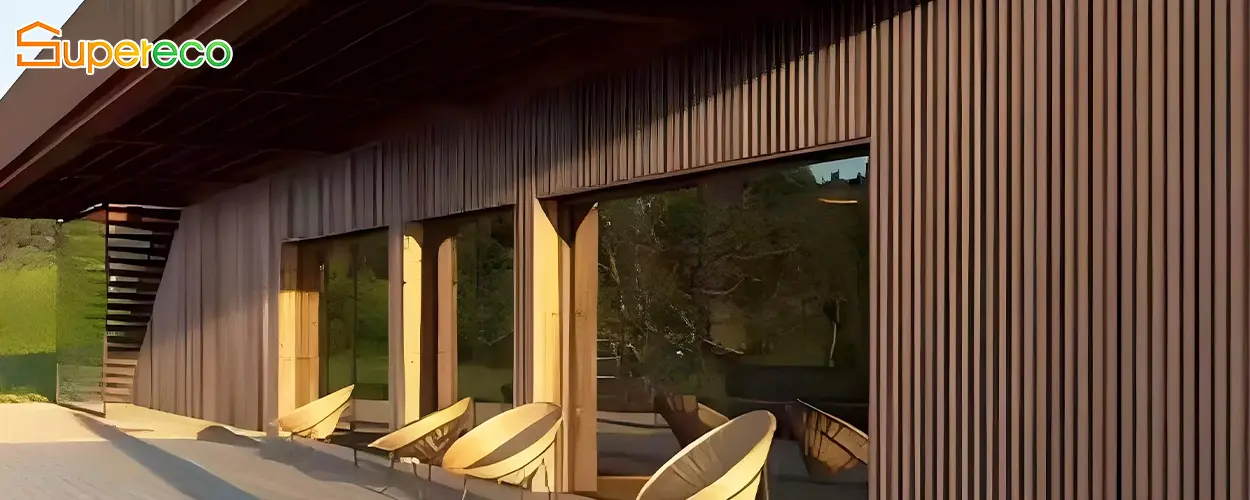
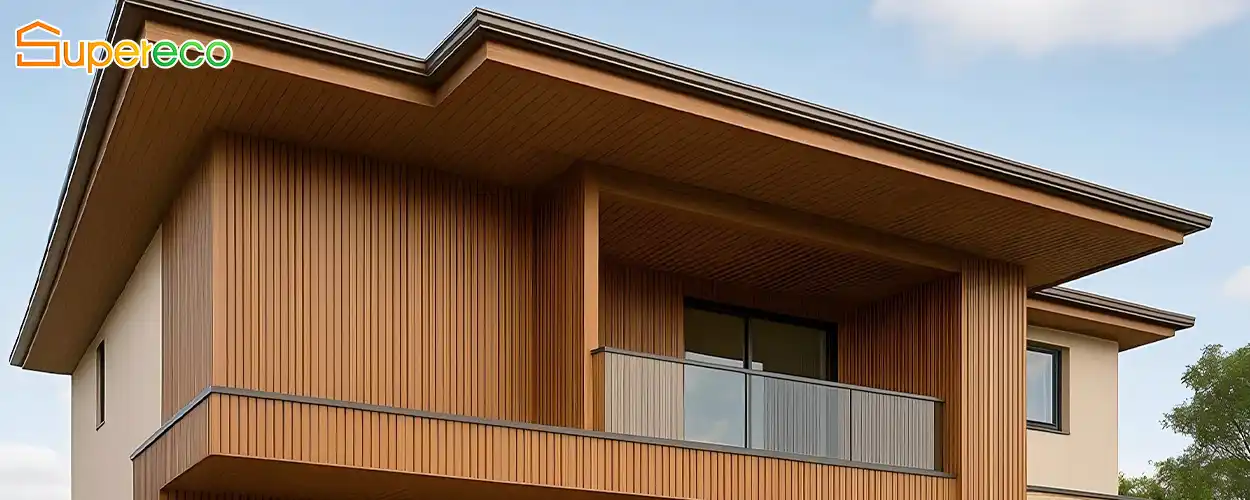
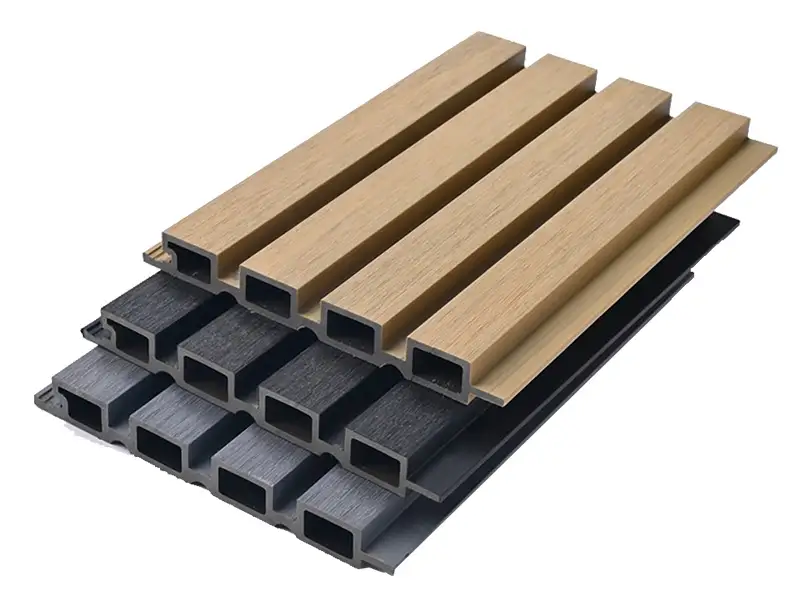
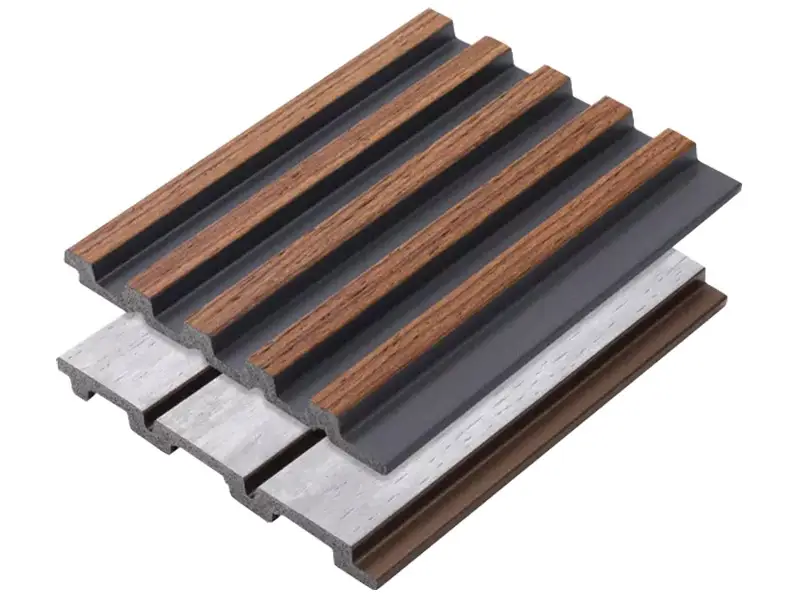
In addition to traditional WPC wall Panel, our advanced co-extrusion WPC wall cladding offers unique benefits, thanks to its innovative design and construction. Here’s a closer look at the advantages it provides: 1. Unique Co-Extrusion Plastic Shell Unlike traditional WPC cladding, our product has a co-extrusion plastic shell that surrounds the entire panel, while the core remains a wood-plastic composite layer.This outer shell provides a complete waterproof barrier, making it ideal for outdoor use, as it resists water infiltration and is highly durable even in extreme weather conditions. 2. Easy Maintenance and Stain Resistance Our co-extrusion WPC wall Panel cladding is highly stain-resistant. If spills occur, such as wine or other drinks, the liquid will not penetrate the surface. This allows for easy cleanup by simply wiping the surface, leaving no stains behind.This feature significantly reduces maintenance needs compared to traditional WPC cladding, making it a convenient option for both residential and commercial applications. 3. Simple, Clip-Free Installation One of the standout features of our wall cladding is its easy installation process, which eliminates the need for clips. Instead, panels can be installed directly with screws, streamlining the entire installation and reducing the time and cost associated with labor.This screw-only installation method not only makes the project simpler but also provides a clean, sleek look with fewer visible installation components. In summary, our advanced co-extrusion WPC wall Panel cladding offers a fully waterproof, stain-resistant, and easy-to-install solution that outperforms traditional WPC wall panels, making it an excellent choice for modern outdoor wall projects.

Advantages of Advanced Co-extrusion WPC Wall Panel Read More »

wpc fence (3)

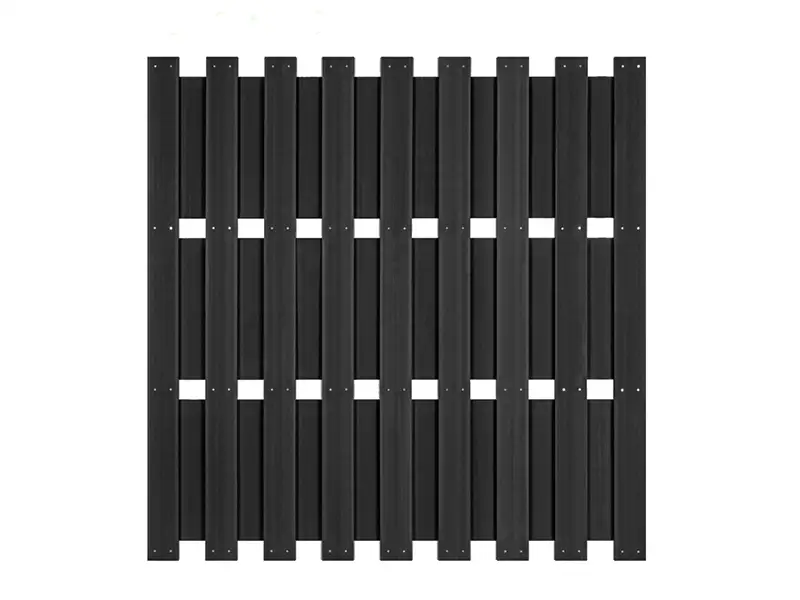
Advantages of WPC Composite Fence

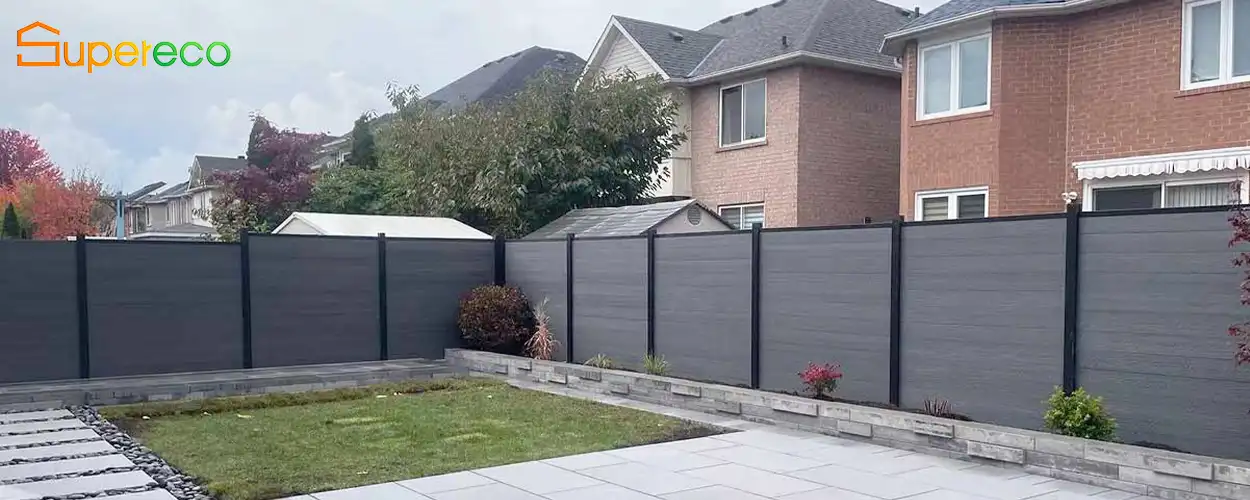
WPC (Wood Plastic Composite) fencing has gained popularity due to its numerous advantages over traditional fencing materials like wood, vinyl, and metal. Here’s a detailed look at the key benefits that WPC composite fences offer: 1. Durability and Longevity One of the most significant advantages of WPC composite fences is their durability. These fences are highly resistant to the elements, including rain, wind, UV rays, and extreme temperatures. Unlike traditional wood, WPC does not warp, crack, or splinter when exposed to varying weather conditions. Additionally, it is resistant to termites and other pests, which extends the lifespan of the fence. WPC fences can last for decades, making them a cost-effective option in the long term. 2. Low Maintenance WPC composite fencing requires minimal upkeep compared to wood, which needs regular treatments like staining, painting, and sealing. With WPC, there’s no need to worry about rot, rust, or discoloration due to moisture. Cleaning is simple and involves nothing more than hosing down the fence or wiping it with soap and water to remove dirt or debris. 3. Aesthetic Appeal WPC fencing offers a natural look that mimics the appearance of real wood, giving your property a warm and elegant feel. It comes in a variety of textures, finishes, and colors that can suit different architectural styles, from modern to traditional. Homeowners can select from various shades to match or complement their home’s exterior, garden, or landscaping. The rich textures and refined appearance of WPC fences make them a stylish addition to any outdoor space. 4. Eco-Friendly and Sustainable WPC composite fences are made from a blend of recycled wood fibers and plastic, making them an environmentally friendly option. By using recycled materials, WPC reduces the need for virgin wood and plastic, helping to conserve natural resources and reduce waste. Additionally, many WPC fence manufacturers follow eco-friendly manufacturing processes, further minimizing the environmental impact. 5. Resistance to Moisture and Rot Traditional wood fences are prone to absorbing moisture, which can lead to rotting, mold growth, and structural damage over time. WPC composite fences, on the other hand, are highly resistant to moisture. This makes them an excellent choice for environments with high humidity, such as coastal areas or rainy climates. The moisture resistance also prevents the growth of mold and mildew, ensuring the fence maintains its appearance and integrity over time. 6. Resistant to Termites and Pests Wood fences are susceptible to termite infestations, which can cause severe damage and compromise their structural integrity. WPC composite fences are naturally resistant to termites and other pests, eliminating the need for toxic chemical treatments and ensuring long-lasting durability. 7. Easy Installation WPC composite fencing is relatively easy to install, even for DIY enthusiasts. The fencing panels and posts are designed to fit together easily, reducing the time and effort required for installation. Most WPC fence systems come with detailed instructions and pre-formed components, which simplifies the process for both professional installers and homeowners. 8. Cost-Effective in the Long Term Although the initial purchase cost of WPC composite fencing can be higher than wood or vinyl, the long-term savings make it more economical. The lack of regular maintenance costs, coupled with the fence’s long lifespan, means you save on repairs, replacements, and upkeep. Over the years, this results in significant cost savings, making WPC a more affordable option in the long run. 9. UV and Fade Resistance WPC composite fences are designed with UV-resistant materials that help maintain their color and finish over time, even when exposed to direct sunlight. This fade resistance ensures that the fence retains its aesthetic appeal for years without the need for repainting or refinishing.

Advantages of WPC Composite Fence Read More »

co-extrusion WPC decking-banner

FAQs about Co-Extrusion WPC Decking

1.What is the difference between co-extrusion WPC decking and traditional WPC decking? Co-extrusion WPC decking has an additional outer layer that protects against fading, stains, and weather, making it more durable than traditional WPC decking. 2.Is co-extrusion WPC decking easy to maintain? Yes, co-extrusion WPC decking is low maintenance. It requires only occasional cleaning with soap and water to keep it looking great. 3.Can co-extrusion WPC decking be used around pools? Absolutely! Its slip-resistant surface and weatherproof construction make it an ideal choice for poolside areas. 4.How long does co-extrusion WPC decking last? With proper care, co-extrusion WPC decking can last for decades, thanks to its durable construction and protective outer layer. 5.Is co-extrusion WPC decking environmentally friendly? Yes, it’s made from recycled materials and is fully recyclable, reducing the environmental impact compared to traditional wood decking. 6.How does the cost of co-extrusion WPC decking compare to other materials? While it may have a higher upfront cost than traditional wood, its long-term durability and low maintenance costs make it a cost-effective solution in the long run. Co-extrusion WPC decking offers a winning combination of beauty, durability, and sustainability. Whether you’re designing a new deck for your home or upgrading an existing outdoor space, co-extrusion WPC decking provides the strength, low maintenance, and aesthetic appeal needed to create a lasting outdoor oasis.

FAQs about Co-Extrusion WPC Decking Read More »

WPC Decking Co-extrusion-banner

Co-Extrusion Wood Plastic Composite (WPC) Decking – Transforming Your Outdoor Space

Introduction to Co-Extrusion WPC Decking An outdoor deck is more than just a place to relax; it’s an extension of your home, connecting you with nature and providing a space to entertain, unwind, and enjoy the outdoors. Choosing the right material for your decking is crucial, as it will determine the durability, aesthetics, and overall performance of your outdoor space. Co-Extrusion Wood Plastic Composite (WPC) decking has emerged as a game-changing solution for homeowners and commercial projects alike, blending beauty with functionality to create a deck that lasts. How Co-Extrusion Technology Works 1. The Co-Extrusion Process ExplainedCo-extrusion is an advanced technology that involves layering materials together to create a composite decking board. In the case of WPC decking, this means bonding a high-strength core of recycled wood fibers and plastic with a protective outer shell. This outer shell, made from polymer materials, provides enhanced resistance to weather, stains, and fading, ensuring that the decking looks as good as new for years.2. Core Components of Co-Extrusion WPC DeckingThe core of co-extrusion WPC decking is typically made from a combination of recycled wood fibers and plastic. This mix gives the decking both strength and flexibility, while the outer shell, also referred to as the “cap,” offers protection from external elements. The combination of these two materials is what makes co-extrusion WPC decking so durable. 3. Differences Between Traditional and Co-Extrusion WPCWhile traditional WPC decking already offers durability, co-extrusion takes it a step further. The outer shell in co-extrusion WPC decking protects the inner core from UV radiation, moisture, and mold, which can degrade traditional WPC over time. This makes co-extrusion WPC a superior choice for long-term outdoor applications. Key Features of Co-Extrusion WPC Decking 1. Enhanced Durability and StrengthOne of the standout features of co-extrusion WPC decking is its incredible durability. The combination of wood fibers and plastic creates a sturdy material that resists cracking, splintering, and warping. The outer shell further protects the deck from moisture and other environmental factors.2. UV Resistance and Fade ProtectionExposure to sunlight can cause many outdoor materials to fade or degrade. However, the polymer cap on co-extrusion WPC decking is UV-resistant, ensuring that your deck maintains its vibrant color even after years of exposure to the elements. 3. Slip Resistance and SafetySafety is a key concern for any outdoor space, especially when the deck is exposed to moisture. Co-extrusion WPC decking is designed with slip resistance in mind, making it a safer option for poolside decks, patios, and other high-traffic areas.4. Weather Resistance (Rain, Snow, Humidity)Whether your deck is in a rainy, snowy, or humid environment, co-extrusion WPC decking is up to the challenge. The outer shell prevents water from penetrating the surface, protecting the deck from mold, mildew, and rot.

Co-Extrusion Wood Plastic Composite (WPC) Decking – Transforming Your Outdoor Space Read More »

WPC Wall Panel

Some Key Features and Benefits of Using WPC Wall Panels Outdoors

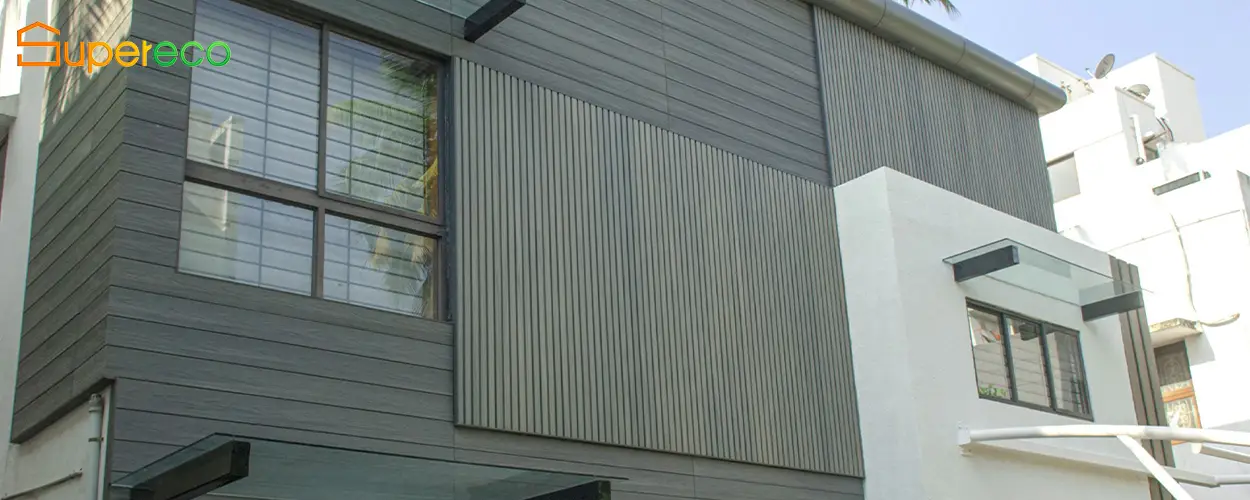
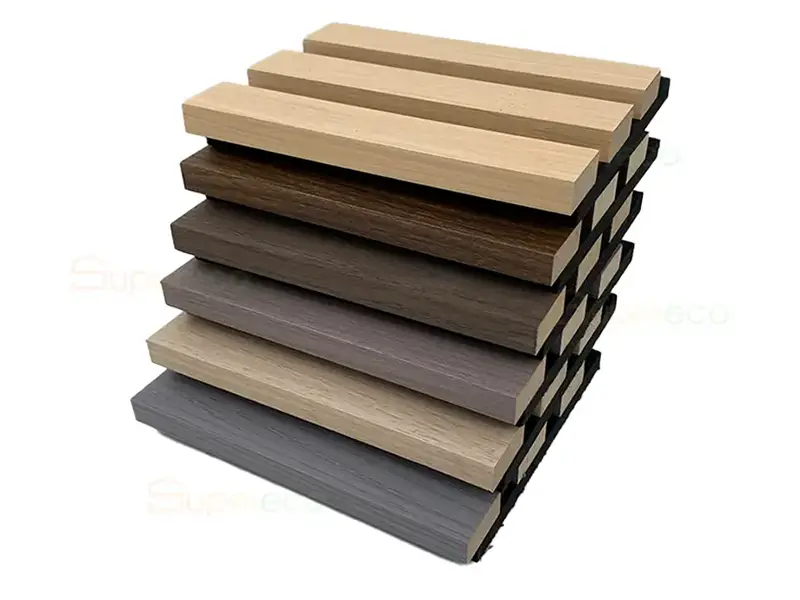
Wood Plastic Composite (WPC) wall panels are a popular choice for outdoor applications due to their durability, low maintenance, and aesthetic appeal. Here are some key features and benefits of using WPC wall panels outdoors: Durability: WPC panels are resistant to weather conditions, including rain, UV rays, and temperature fluctuations, making them ideal for outdoor use.Low Maintenance: Unlike natural wood, WPC does not require regular painting, sealing, or staining. It is easy to clean and maintain.Aesthetic Appeal: Available in various colors and textures, WPC panels can mimic the look of natural wood while offering a modern appearance.Eco-Friendly: Made from recycled wood fibers and plastic, WPC is an environmentally friendly option.Termite Resistant: WPC is resistant to termites and other pests, which can be a significant advantage over traditional wood.Easy Installation: These panels are designed for easy installation, often featuring interlocking systems.Cost-Effective: Over time, the low maintenance and durability of WPC can make it a cost-effective choice compared to traditional wood. If you have specific questions or need more detailed information about WPC wall panels, feel free to ask!

Some Key Features and Benefits of Using WPC Wall Panels Outdoors Read More »

WPC fence

Installation Guide for WPC Fences

Preparation and Planning Before installing a WPC fence, homeowners should consider the layout, local zoning regulations, and property lines. Proper planning ensures that the installation process is smooth and meets local requirements.Step-by-Step Installation Process1.Mark the Area: Use stakes and string to outline the fence’s placement.2.Dig Post Holes: Typically, holes should be at least two feet deep, depending on the height of the fence.3.Set the Posts: Insert posts into the holes and secure them with concrete.4.Attach Panels: Once the posts are set, panels can be attached according to the manufacturer’s instructions.5.Finishing Touches: Add caps or decorative elements to complete the fence. Maintenance Tips for WPC Fences Cleaning TechniquesTo maintain the appearance of a WPC fence, it’s recommended to wash it with mild soap and water periodically. For tougher stains, a soft brush can be used without damaging the surface.Repairing DamageIf damage occurs, small scratches can often be repaired with a touch-up kit provided by the manufacturer. For more significant damage, replacement panels may be necessary. Cost Considerations Initial CostsThe upfront cost of WPC fencing can be higher than traditional wood. However, considering its longevity and low maintenance, many homeowners find it to be a worthwhile investment.Long-Term SavingsDue to its durability and reduced need for maintenance, WPC fencing can save homeowners money over time. The absence of regular staining or repairs adds to its cost-effectiveness. Environmental Impact of WPC Sustainability of MaterialsWPC is often made from recycled materials, making it a more sustainable choice compared to virgin wood. This contributes to a reduction in deforestation and environmental impact.Recycling and Disposal OptionsAt the end of its lifespan, WPC can often be recycled, reducing landfill waste and promoting a circular economy. Aesthetic Options for WPC Fences Color and Texture ChoicesWPC fencing comes in various colors and textures, allowing homeowners to customize their fences to match their home’s exterior and personal style. Options range from natural wood-like finishes to vibrant colors.Customization OptionsMany manufacturers offer customizable features, such as height adjustments, panel designs, and decorative caps, enabling homeowners to create a unique look.

Installation Guide for WPC Fences Read More »

WPC Deck DIY Tile

Outline for Installing WPC Decking Tiles

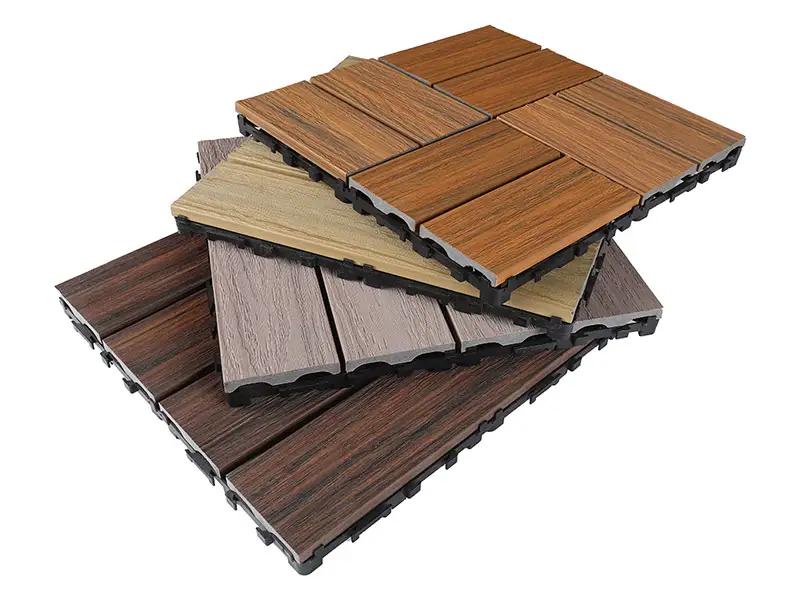
Overview of WPC MaterialsWPC decking tiles are made from a combination of wood fibers and recycled plastic. This unique composition offers the aesthetics of wood with added durability and resistance to rot, insects, and fading. Benefits of WPC Decking Durability: Resistant to weather conditions.Low Maintenance: Easy to clean and maintain.Eco-Friendly: Made from recycled materials.Aesthetic Appeal: Available in various colors and textures. Tools and Materials Needed Essential ToolsMeasuring Tape: For accurate measurements.Level: To ensure an even installation.Saw: For cutting tiles to fit.Rubber Mallet: For securing tiles without damage.Drill: If needed for securing tiles.Required MaterialsWPC Decking Tiles: Choose the right style and color.Base Material: Gravel or a wood frame for support.Joists (optional): For added stability. Preparing the Installation Area Site AssessmentEvaluate your installation site for size and drainage. Ensure the area is suitable for laying decking tiles.Cleaning and Leveling the GroundClear any debris, rocks, or vegetation. Level the ground to create a stable foundation for the tiles. Laying the Foundation Choosing a Base MaterialDecide between gravel, concrete, or a wooden frame based on your site conditions.Installing a Base LayerIf using gravel, spread it evenly and compact it. For a wooden frame, secure the joists at appropriate intervals. Installing WPC Decking Tiles Starting the LayoutBegin laying the tiles from one corner. Use a level to ensure the tiles are even.Securing the TilesInterlock the tiles as per manufacturer instructions. Use a rubber mallet to ensure a snug fit without damaging the tiles. Finishing Touches Trimming and EdgingCut any tiles that need to fit around edges or obstacles. Ensure a clean edge for a professional look.Cleaning and MaintenanceSweep the area and clean the tiles with mild soap and water. Regular maintenance will keep your decking looking new.

Outline for Installing WPC Decking Tiles Read More »

WPC-DECKING

How to properly install WPC Decking flooring

Preparation and Planning Before installation, proper planning is essential. Homeowners should consider the layout, ensure a stable substructure, and choose the right type of WPC for their specific needs. Step-by-Step Installation Guide Tools RequiredBasic tools for WPC decking installation include a saw, drill, measuring tape, and level. Having the right tools ensures a smooth installation process.Maintenance After InstallationOnce installed, minimal maintenance is needed. Regular cleaning will keep the decking looking fresh and new, enhancing its lifespan. Comparing WPC Decking to Traditional Wood Decking Cost ComparisonWPC decking may have a higher initial cost, but when factoring in long-term maintenance and replacement costs, it often proves to be more economical over time.Aesthetic DifferencesWhile WPC mimics the look of wood, some may prefer the authentic grain and texture of real wood. However, WPC offers a wider variety of finishes and colors. Maintenance RequirementsWPC decking requires significantly less maintenance than traditional wood, making it a preferred option for busy homeowners.

How to properly install WPC Decking flooring Read More »

Scroll to Top