Author name: superecowpc.com

WPC Decking vs. Traditional Wood: Which One is Better?

WPC Decking vs. Traditional Wood: Which One is Better?

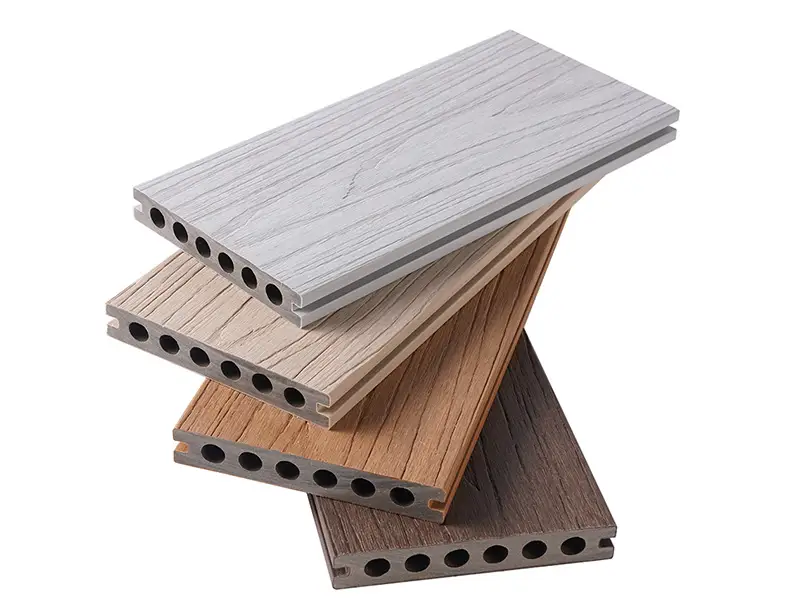
Choosing between WPC (Wood Plastic Composite) decking and traditional wood decking depends on your priorities, budget, and long-term goals for your outdoor space. Both materials have their pros and cons, so let’s break down the comparison to help you decide which one is better for your needs. 1. Appearance WPC Decking: Offers a wide range of colors, textures, and finishes that mimic the look of natural wood. However, some homeowners feel it lacks the authentic grain and warmth of real wood.Traditional Wood: Provides a natural, timeless aesthetic with unique grain patterns and textures. It’s ideal for those who value the organic look and feel of real wood.Winner: Traditional wood (for authenticity), but WPC is a close second for its versatility. 2. Durability 2. DurabilityWPC Decking: Highly resistant to rot, decay, insects, and weathering. It doesn’t warp, crack, or splinter like wood, making it a durable option for harsh climates.Traditional Wood: Susceptible to rot, mold, insects, and weathering unless properly treated and maintained. Pressure-treated wood is more durable but still requires regular upkeep.Winner: WPC decking. 3. Maintenance WPC Decking: Virtually maintenance-free. It doesn’t require staining, sealing, or painting. Occasional cleaning with soap and water is sufficient.Traditional Wood: Requires regular maintenance, including staining, sealing, and sanding, to prevent rot, fading, and damage.Winner: WPC decking. 4. Cost WPC Decking: Higher upfront cost, typically ranging from 5 to12 per square foot, including installation. However, it saves money over time due to lower maintenance costs.Traditional Wood: Lower initial cost, with pressure-treated wood costing around 3to6 per square foot. However, ongoing maintenance and potential replacement costs add up over time.Winner: Traditional wood (initially), but WPC is more cost-effective in the long run. 5. Lifespan WPC Decking: Lasts 20-30 years or more with minimal maintenance.Traditional Wood: Typically lasts 10-15 years, even with proper maintenance.Winner: WPC decking. 6. Environmental Impact WPC Decking: Often made from recycled materials, making it an eco-friendly option. However, it’s not biodegradable and can be harder to recycle at the end of its life.Traditional Wood: A renewable resource if sourced sustainably, but deforestation and chemical treatments can have environmental drawbacks.Winner: Tie (depends on sourcing and recycling practices). 7. Comfort and Safety WPC Decking: Can become hot under direct sunlight, making it uncomfortable to walk on barefoot. However, many WPC products are designed with slip-resistant surfaces for safety.Traditional Wood: Stays cooler in the sun and provides a natural, comfortable surface. However, it can become slippery when wet unless treated.Winner: Traditional wood (for comfort), but WPC wins for slip resistance. 8. Installation WPC Decking: Often comes with interlocking or grooved systems, making installation easier for DIYers. However, it requires a sturdy subframe for proper support.Traditional Wood: Easier to cut and customize on-site, but installation can be more labor-intensive due to the need for precise spacing and fastening.Winner: Tie (depends on the complexity of the project). 9. Heat Retention WPC Decking: Tends to retain heat, especially in darker colors, which can make it uncomfortable in hot climates.Traditional Wood: Stays cooler in direct sunlight compared to WPC.Winner: Traditional wood. 10. Repair and Replacement WPC Decking: Damaged boards can be harder to replace, and the color may fade slightly over time.Traditional Wood: Easier to repair or replace individual boards, and sanding can restore its appearance.Winner: Traditional wood. Summary: Which is Better? Choose WPC Decking if:You want a low-maintenance, long-lasting solution.You live in a humid or rainy climate where moisture resistance is crucial.You’re willing to pay more upfront for durability and ease of care.Choose Traditional Wood if:You prefer the natural look and feel of real wood.You’re on a tighter budget and don’t mind regular maintenance.You want a cooler surface in hot climates. WPC Decking is better for homeowners seeking a durable, low-maintenance, and long-lasting decking solution.Traditional Wood is better for those who prioritize natural aesthetics, lower upfront costs, and don’t mind the upkeep.Ultimately, the “better” option depends on your specific needs, preferences, and budget. Both materials have their unique advantages, so weigh the pros and cons carefully before making your decision!

WPC Decking vs. Traditional Wood: Which One is Better? Read More »

Why choose WPC Decking flooring for Poolside and Waterfront?

Why choose WPC Decking flooring for Poolside and Waterfront?

WPC decking is an excellent choice for poolside and waterfront areas due to its unique combination of durability, safety, and low maintenance. Here’s why WPC is ideal for these environments and how to maintain it: Why WPC is Ideal for Water-Adjacent Areas Water Resistance Moisture Resistance: WPC decking is highly resistant to moisture, making it ideal for areas that are frequently exposed to water. Unlike traditional wood, it does not absorb water, which prevents swelling, warping, and rot.Mold and Mildew Resistance: The composite material is less prone to mold and mildew growth, which is common in wet environments. Durability UV Resistance: High-quality WPC decking is designed to withstand UV rays, preventing fading and degradation from prolonged sun exposure.Temperature Tolerance: WPC decking can endure temperature fluctuations without cracking or splitting, making it suitable for various climates. Safety Slip-Resistant Finishes: Many WPC decking products come with textured or slip-resistant finishes, providing better traction and reducing the risk of slips and falls, especially when the surface is wet.Splinter-Free Surface: The smooth, splinter-free surface of WPC decking is safer for bare feet, which is particularly important around pools. Low Maintenance Easy to Clean: WPC decking can be easily cleaned with soap and water, making it simple to maintain a hygienic and attractive surface.No Need for Staining or Sealing: Unlike wood, WPC decking does not require regular staining, sealing, or painting to maintain its appearance and performance. Slip-Resistant Finishes Textured Surfaces: Many WPC decking options feature textured surfaces that enhance grip and reduce the likelihood of slipping.Special Coatings: Some products include special non-slip coatings that provide additional safety in wet conditions.Patterned Designs: Certain WPC decking designs incorporate patterns that not only add to the aesthetic appeal but also improve traction. Maintenance of Poolside WPC Decks Regular Cleaning Routine Washing: Regularly wash the deck with a mild detergent and water to remove dirt, debris, and any pool chemicals that may have splashed onto the surface.Stain Removal: For any stains, use a soft brush and a mild cleaner. Avoid harsh chemicals that could damage the composite material. Preventative Measures Furniture Pads: Use pads under furniture legs to prevent scratching and indentations on the deck surface.Mats and Rugs: Place mats or rugs in high-traffic areas to reduce wear and tear. Seasonal Maintenance Inspect for Damage: Periodically inspect the deck for any signs of damage or wear. Address any issues promptly to prevent further deterioration.Clear Debris: Keep the deck clear of leaves, dirt, and other debris that can accumulate and cause staining or mold growth. Avoid Harsh Chemicals Pool Chemicals: Be mindful of pool chemicals that may splash onto the deck. Rinse the area with water to dilute and remove any chemical residue.Cleaning Agents: Use only recommended cleaning agents to avoid damaging the composite material. WPC decking is an ideal choice for poolside and waterfront areas due to its water resistance, durability, safety features, and low maintenance requirements. By choosing WPC decking with slip-resistant finishes and following a regular maintenance routine, you can ensure a safe, attractive, and long-lasting outdoor space.

Why choose WPC Decking flooring for Poolside and Waterfront? Read More »

What are the Innovative Applications of WPC Fence

What are the Innovative Applications of WPC Fence?

Wood-Plastic Composite (WPC) fences have rapidly gained popularity due to their durability, eco-friendliness, and versatile design options. Beyond traditional boundary installations, WPC fences are being creatively utilized in various modern applications, redefining outdoor and interior spaces. Below are some innovative uses of WPC fences. 1. Decorative Privacy Panels Enhancing Privacy with StyleWPC fences are an excellent choice for creating decorative privacy panels. These can be used:Balcony Partitions: Separate spaces on shared balconies or terraces.Poolside Screens: Offer both privacy and a modern aesthetic.Garden Dividers: Define distinct zones within a garden.Customizable DesignsWPC panels can be crafted with intricate patterns, offering functionality while enhancing the visual appeal of any space. With a variety of finishes, they blend seamlessly with contemporary or traditional décor styles. 2. Acoustic Barriers for Noise Reduction Soundproofing Urban SpacesWPC fences are increasingly being used as acoustic barriers to reduce noise pollution in:Residential Areas: Minimize street noise for homes near busy roads.Commercial Properties: Create quiet outdoor spaces in office complexes.Public Parks: Shield playgrounds or recreational zones from traffic sounds.Why WPC for Acoustic Barriers?High Density: The composite structure effectively dampens sound waves.Durability: Resistant to weathering, ensuring long-lasting performance. 3. Vertical Gardens and Green Walls Eco-Friendly Fence ApplicationsWPC fences are being creatively transformed into vertical garden installations, offering a sustainable solution for urban gardening. Applications include:Home Gardens: Small spaces like balconies or patios.Commercial Spaces: Green walls in cafes, hotels, or office buildings.Features and BenefitsModular Design: WPC panels can accommodate planter attachments.Low Maintenance: Resistant to moisture, ensuring long-term usability. 4. Temporary Event Enclosures Portable Fencing SolutionsFor events like weddings, fairs, or exhibitions, WPC fences are being used as stylish, temporary enclosures. These fences can:Define boundaries for outdoor venues.Enhance aesthetics with customizable colors and finishes.Be assembled and disassembled with ease. 5. Playground Safety Barriers Safe and Durable for ChildrenWPC fences are ideal for playground enclosures due to their non-toxic materials and smooth finishes. Key benefits include:Child-Friendly Design: No splinters or sharp edges.Weather Resistance: Perfect for outdoor environments.Customizable Heights: Ensures safety for children of different age groups. 6. Modern Indoor Partitions Innovative Interior DesignBeyond outdoor spaces, WPC fences are being adapted for indoor use, serving as:Room Dividers: Open-plan homes or offices.Decorative Panels: Enhance interiors with textured, wood-like finishes.Retail Displays: Stylish partitions in stores or malls. The innovative applications of WPC fences extend far beyond traditional boundary marking. From privacy screens and acoustic barriers to green walls and event enclosures, WPC fences provide functionality, aesthetics, and sustainability. With their versatile designs and low maintenance, they continue to be a preferred choice for homeowners, architects, and designers seeking creative solutions for outdoor and indoor spaces.

What are the Innovative Applications of WPC Fence? Read More »

What are the Innovative Landscaping Applications of WPC Decking

What are the Innovative Landscaping Applications of WPC Decking?

Wood-Plastic Composite (WPC) decking has emerged as a game-changer in modern landscaping. Offering the beauty of natural wood combined with the durability of advanced composite materials, WPC decking delivers sustainable, versatile, and low-maintenance solutions for a wide range of outdoor applications. 1. Patios and Decks WPC decking is the perfect choice for patios and decks due to its durability and aesthetic appeal.Design Flexibility: WPC decking comes in a variety of colors, textures, and finishes, from classic wood grain to contemporary minimalist designs, allowing homeowners to create custom looks that blend seamlessly with their architecture.Durability: Unlike traditional wood, WPC resists warping, cracking, and splintering, making it ideal for high-traffic patio areas. Its resistance to UV damage ensures colors remain vibrant for years.Added Features: The material supports the integration of built-in seating, planters, and fire pits, transforming patios into multifunctional outdoor living spaces. 2. Garden Walkways Garden walkways crafted from WPC decking combine functionality with style, creating durable paths that enhance any landscape.Weather Resistance: WPC decking is resistant to moisture, mold, and mildew, ensuring garden walkways remain safe and attractive even in rainy or humid climates.Eco-Friendly Appeal: Many WPC products use recycled materials, making them a sustainable choice for environmentally conscious designs.Creative Patterns: The versatility of WPC allows for intricate patterns such as chevron, herringbone, or alternating planks to add a unique flair to walkways. 3. Outdoor Entertainment Areas WPC decking elevates outdoor entertainment areas with its modern design and robust performance.Seamless Integration: WPC materials can be used for flooring, railing, and decorative walls, creating a cohesive and polished look for outdoor kitchens, lounges, or dining areas.Low Maintenance: Unlike traditional wood, WPC decking requires no staining or sealing. A simple cleaning with soap and water keeps it looking fresh, making it an ideal choice for busy households.Comfort Underfoot: WPC decking remains splinter-free and comfortable, even in bare feet, making it perfect for spaces where people gather and relax. 4. Poolside and Waterfront Decking WPC decking is a popular choice for poolside and waterfront areas due to its resistance to water and wear.Slip Resistance: Many WPC decking products feature textured surfaces that provide excellent slip resistance, enhancing safety in wet environments.Longevity: With its high resistance to rot, decay, and insects, WPC decking outlasts traditional wood in humid and aquatic settings.Aesthetic Versatility: WPC blends effortlessly with natural stone, glass railings, or tropical landscaping, creating luxurious and inviting poolside or waterfront retreats. By combining aesthetic versatility with durability and sustainability, WPC decking opens up a world of possibilities for innovative landscaping applications. Its ability to transform outdoor spaces into functional, elegant, and low-maintenance environments makes it a preferred choice for homeowners and designers alike.

What are the Innovative Landscaping Applications of WPC Decking? Read More »

Supereco Polyester Fiber Soundproof Acoustic Wall Panel

What are the Key Features of Acoustic Slat Wall Panels?

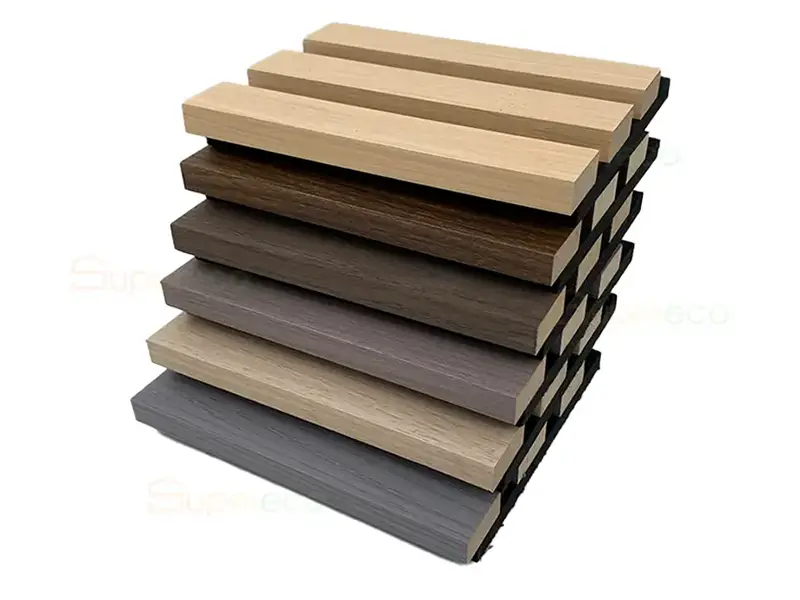
Acoustic slat wall panels have grown in popularity due to their multifunctionality, offering exceptional acoustic properties alongside aesthetic versatility. Let’s dive into their key features, focusing on material composition, design variations, and acoustic properties. 1. Material Composition The material composition of acoustic slat wall panels plays a critical role in their functionality and aesthetic appeal. Manufacturers use a combination of high-quality, durable, and often sustainable materials to achieve optimal performance. Wood Veneer The outer layer is typically crafted from wood veneer, such as oak, walnut, or pine, which adds a natural, warm touch to interiors. These veneers come in various finishes to match different design preferences. Acoustic Felt Backing Behind the wooden slats lies a felt backing, often made from recycled materials like PET (Polyethylene Terephthalate). This material absorbs sound waves effectively, enhancing acoustic performance. Core Materials The core may consist of MDF (Medium-Density Fiberboard), HDF (High-Density Fiberboard), or plywood, providing structural stability and durability. Some eco-friendly panels use biodegradable or sustainably harvested materials. 2. Design Variations Acoustic slat wall panels are available in diverse designs, catering to a range of interior styles and functional requirements. Linear Slat Panels These feature evenly spaced, parallel slats that offer a sleek, modern look suitable for minimalist and contemporary interiors. Geometric Patterns For a bolder aesthetic, some panels come in geometric shapes or unique patterns, creating a focal point in any room. Customizable Panels: Many suppliers offer customizable designs, including different slat widths, finishes, and colors, to align with specific decor themes. Modular Systems Modular panels allow for flexibility in installation, making it easier to cover small areas or entire walls seamlessly. Hybrid Designs Some panels integrate LED lighting, concealed storage, or ventilation features, combining aesthetics with functionality. 3. Acoustic Properties The primary purpose of acoustic slat wall panels is to improve sound quality within a space. Their acoustic properties are designed to address common sound issues like echoes and excessive noise. Sound Absorption Acoustic slat wall panels are highly effective at absorbing mid-to-high-frequency sound waves, which helps reduce noise and improve speech clarity. Noise Reduction Coefficient (NRC) Panels are often rated with an NRC value, typically between 0.7 and 0.9, indicating how much sound energy they absorb. A higher NRC means better acoustic performance. Echo Reduction These panels mitigate reverberations by breaking up sound waves, making them perfect for spaces like offices, recording studios, and home theaters. Directional Sound Control The design of the slats directs sound waves into the absorbent felt backing, ensuring balanced acoustics throughout the room. With their impressive material choices, stylish design options, and advanced acoustic properties, acoustic slat wall panels are an excellent choice for enhancing both the functionality and aesthetics of any space. Whether used in a cozy home theater or a bustling office, they deliver unmatched performance and style.

What are the Key Features of Acoustic Slat Wall Panels? Read More »

Sustainability of WPC Decking Tiles

Sustainability of WPC Decking Tiles

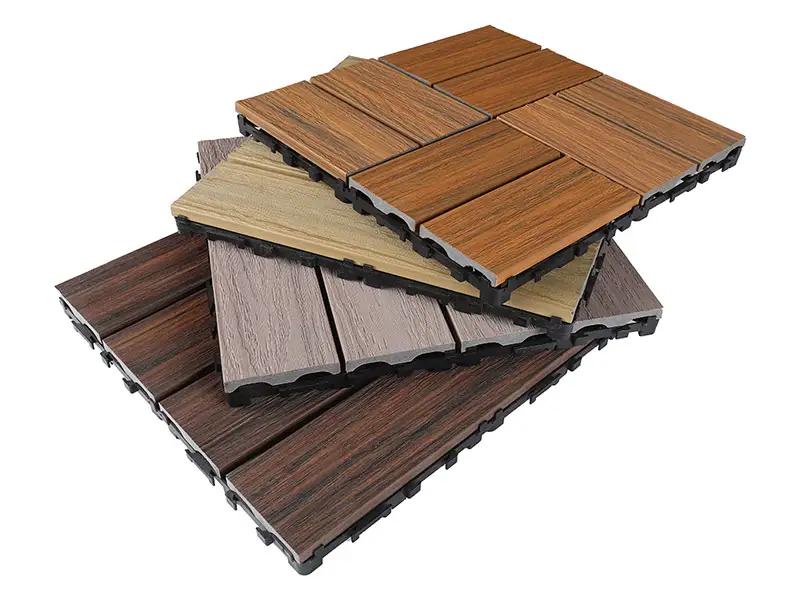
Sustainability is a critical factor in modern construction and design practices, and WPC (Wood-Plastic Composite) decking tiles have risen as an eco-friendly alternative to traditional decking materials. Their unique composition and lifecycle make them a green choice for homeowners and businesses alike. Below, we explore the key aspects of their sustainability. Use of Recycled Materials One of the standout features of WPC decking tiles is their reliance on recycled materials. These tiles are crafted by combining wood fibers, often from reclaimed sawdust or wood waste, with thermoplastics derived from recycled plastic products like bottles and bags. This innovative blend reduces the demand for virgin raw materials, helping conserve natural resources.Environmental Impact: By repurposing waste materials, WPC decking tiles contribute to waste reduction and prevent landfill overflow.Conservation of Trees: Using wood fibers from recycled or scrap wood minimizes the need for cutting down trees, preserving forests and biodiversity.Support for Recycling Initiatives: WPC manufacturing encourages recycling, creating a demand for recyclable plastics and wood waste. Reduced Environmental Footprint WPC decking tiles are designed to have a smaller environmental footprint compared to traditional wood and synthetic decking materials. Several factors contribute to this reduced impact:Lower Energy Consumption: The production process for WPC materials typically requires less energy than the manufacturing of pure plastic or aluminum decking.Longevity and Durability: WPC decking tiles have a longer lifespan than natural wood, reducing the frequency of replacement and the associated resource consumption.Eco-Friendly Maintenance: Unlike traditional wooden decks, WPC tiles do not require chemical treatments, stains, or sealants, minimizing the release of volatile organic compounds (VOCs) into the environment. Lifecycle Analysis A lifecycle analysis (LCA) of WPC decking tiles reveals their environmental advantages across various stages of their life:Raw Material Sourcing: WPC tiles make efficient use of recycled materials, reducing dependence on non-renewable resources.Production Phase: Manufacturing processes for WPC products produce fewer emissions and waste than many alternatives, making them more sustainable.Usage Phase: The durability of WPC decking tiles ensures a long functional life with minimal maintenance, lowering the overall environmental impact.End-of-Life Recycling: At the end of their lifecycle, WPC tiles can be recycled again, closing the loop in a circular economy model.Case Study: Environmental Benefits in Real-Life ApplicationsFor example, a community garden opted to use WPC decking tiles made from 90% recycled materials. Over a decade, they saved approximately 2,000 pounds of wood waste and 1,000 pounds of plastic waste from ending up in landfills. The tiles’ resistance to weathering also minimized maintenance efforts and chemical usage, making the project a model of sustainable landscaping. WPC decking tiles represent a significant step forward in sustainable building materials. By utilizing recycled content, reducing environmental footprints, and supporting lifecycle efficiency, they align with global goals for a greener future. Their adoption in residential, commercial, and industrial spaces not only delivers aesthetic and functional benefits but also contributes to environmental preservation. When choosing decking solutions, opting for WPC tiles is a choice for sustainability without compromise.

Sustainability of WPC Decking Tiles Read More »

Choosing the Right WPC Fence Factors to Consider

Choosing the Right WPC Fence Factors to Consider

When it comes to enhancing the privacy, security, and aesthetic appeal of your home, a Wood-Plastic Composite (WPC) fence is an excellent choice. WPC fencing combines the natural look of wood with the durability and low-maintenance features of plastic. However, choosing the right WPC fence requires considering several factors to ensure it meets your needs, fits your budget, and complements your home’s design. Here’s a comprehensive guide to help you navigate the decision-making process. 1. Size of Your Property: The Right Height and Length The first and most important factor to consider when choosing a WPC fence is the size of your property. The right fence height and length will depend on several elements such as your yard’s dimensions, the level of privacy you desire, and your home’s architecture. Height Privacy Fencing: If privacy is a key concern, a taller fence (around 6-8 feet) is ideal. It will block the view from neighboring homes or busy streets, giving you a sense of seclusion. WPC fences are customizable, allowing you to choose the perfect height for your needs.Aesthetic Appeal: For decorative purposes, a fence of 3-4 feet in height can define boundaries without overwhelming the space. These shorter fences are ideal for gardens or front yards where privacy is less of a priority. Length Perimeter Coverage: Measure the total perimeter of the area you wish to enclose or define with your fence. The length will dictate how much material you need. Larger properties may require more panels or gates, increasing the overall cost.Specific Areas: If you’re only fencing specific sections, like a garden or pool area, focus on the length that covers just those spaces to minimize unnecessary expenditure. 2. Style and Design: Complementing Your Home’s Aesthetic WPC fencing comes in a variety of styles, colors, and finishes. Choosing a style that complements your home’s exterior is crucial for maintaining a cohesive design. Modern, Sleek Look Horizontal Slats: If you have a contemporary or minimalist home, a WPC fence with horizontal slats creates a modern, sleek appearance. Horizontal designs often evoke a sense of openness while still providing privacy. Traditional or Classic Style Vertical Panels: A more traditional vertical panel design might suit homes with a classic architectural style. These fences are straightforward but can still offer a clean, elegant look. They can also be customized with decorative accents like post caps or latticework. Natural Wood Appearance Wood-Like Finish: WPC fences often mimic the look of real wood, giving your fence the classic appeal of natural timber without the maintenance hassle. Choose from a variety of finishes like cedar, oak, or walnut for an authentic wood look that matches your home’s color scheme. Color Options Neutral Tones: If your home is painted in neutral tones (whites, grays, or beige), a WPC fence in matching neutral colors like gray, black, or brown will blend seamlessly with the environment.Bold, Statement Colors: If you want your fence to stand out and become a focal point, consider opting for bolder colors such as deep red, charcoal, or even custom shades that reflect your personal style. 3. Budget: Balancing Cost and Quality When choosing a WPC fence, your budget will play a significant role in determining the quality and scope of the materials you select. Here’s how to ensure that you get the best value for your money: Material Costs Initial Investment: WPC fences tend to be more expensive than traditional wood fences, but they offer a longer lifespan and lower maintenance costs. Expect to pay more upfront, but you’ll save in the long run due to their durability and resistance to weather, rot, and insects.Low Maintenance: Unlike wood, which requires periodic sealing, staining, or painting, WPC fences require minimal upkeep. The material is resistant to fading, mold, and mildew, reducing the cost of regular maintenance and repairs. Installation Costs DIY vs. Professional Installation: If you have some experience with home improvement projects, you can save on labor costs by installing the fence yourself. However, for larger or more complex installations, hiring a professional might be a better option. The installation cost will vary depending on the complexity of the design and your location.Shipping and Handling: Since WPC materials are often heavier than traditional wood, be sure to factor in the cost of shipping and handling, especially if your project requires a significant amount of fencing material. Long-Term Value Durability: WPC fences are highly resistant to moisture, insects, and extreme weather conditions, meaning you won’t need to replace or repair them as often as traditional wood fences. This longevity gives WPC fences a high long-term value, even though the initial cost is higher. 4. Durability and Maintenance Requirements WPC fencing is prized for its ability to withstand various environmental challenges, but it’s essential to understand the level of maintenance required to keep it looking great. Resistance to Weather and Wear Water and Moisture Resistance: WPC fences won’t warp, crack, or splinter like traditional wood, making them ideal for areas with heavy rainfall or humidity. This is especially beneficial if you live in regions prone to damp conditions.UV Protection: Many WPC fences are treated to prevent fading from sun exposure. Unlike wood fences, which can lose their color and appeal over time, WPC fences maintain their original look even when exposed to harsh sunlight. Cleaning and Care Minimal Cleaning: WPC fences require only occasional washing with soap and water to keep them looking new. The material does not absorb dirt or stains like wood, so regular cleaning is often enough to maintain its appearance.Long-Term Maintenance: Over the years, a WPC fence will need far less attention than a traditional wood fence. It won’t need to be repainted, resealed, or treated for pests, making it a low-maintenance option. 5. Climate and Environmental Considerations The climate in which you live can influence the performance and longevity of your WPC fence. Ensure that the fence material is suited to your specific environmental conditions. Hot and Sunny Climates UV-Resistant Coatings: If you live in a region with intense sun exposure,

Choosing the Right WPC Fence Factors to Consider Read More »

WPC FENCE

Residential and Commercial Applications of WPC Fences

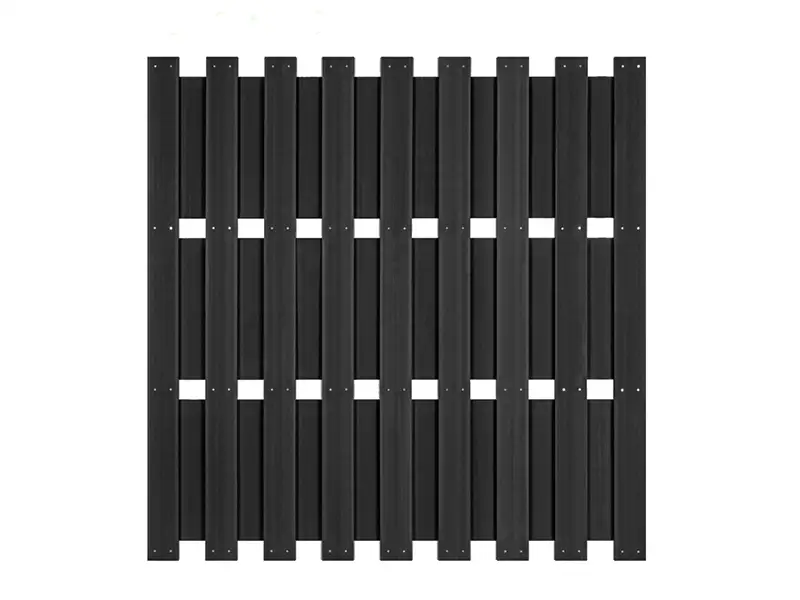
WPC (Wood-Plastic Composite) fences are becoming a popular choice for both residential and commercial applications due to their durability, aesthetic appeal, and low maintenance requirements. Here’s a detailed look at the various uses of WPC fences: Residential Use of WPC Fences Homeowners frequently turn to WPC fences to enhance privacy, security, and curb appeal in outdoor spaces. Here are common residential applications: 1. Yards WPC Fence Privacy and Security: WPC fences act as a barrier to safeguard homes and ensure privacy.Aesthetic Appeal: Available in various styles and colors, they can complement any architectural theme.Durability: With resistance to weather, pests, and rot, WPC fences last longer than traditional wooden fences. 2. Gardens WPC Fencce Decorative Enclosures: WPC fences can create defined, attractive boundaries around gardens.Eco-Friendly Option: As they are made from recycled materials, WPC fences align with sustainable landscaping practices.Low Maintenance: Unlike wooden fences, they don’t require regular staining or painting. 3. Pool Areas WPC Fence Safety and Privacy: WPC fences can secure pool areas to prevent unauthorized access and enhance privacy.Water Resistance: The material is highly resistant to moisture, making it ideal for areas prone to splashing.UV Resistance: WPC fences retain their color and structural integrity despite prolonged exposure to sunlight. Commercial Use of WPC Fences In commercial spaces, WPC fences are chosen for their robustness, professional appearance, and minimal upkeep needs. They’re versatile and can adapt to different environments. 1. Parks WPC Fence Boundary Marking: WPC fences help define park perimeters while blending with the natural surroundings.Longevity: Their resistance to weather elements ensures a long-lasting solution for public spaces.Child Safety: They’re a secure option for enclosing children’s play areas within parks. 2. Businesses WPC Fence Property Enclosures: WPC fences provide privacy and security for office buildings, warehouses, and other business premises.Modern Look: The sleek, customizable designs of WPC fences give businesses a professional and polished appearance.Cost-Effective: Their low maintenance and durability make them a cost-efficient solution for long-term use. 3. Hospitality Industry WPC Fence Outdoor Spaces: Hotels and resorts use WPC fences to separate outdoor dining areas, pools, and gardens.Noise Reduction: The density of WPC materials can help reduce external noise, creating a more serene environment for guests. Advantages of WPC Fences for All Applications Durability: Resistant to weather, rot, and pests, WPC fences outlast traditional materials.Customizability: Available in a variety of colors, textures, and sizes to suit any need.Eco-Friendly: Made from recycled wood and plastic, they contribute to sustainability efforts.Minimal Maintenance: Requires only occasional cleaning with water and doesn’t need staining or painting.Weatherproof: Withstand extreme heat, rain, and snow without losing structural integrity. WPC fences are an excellent investment for residential and commercial spaces, combining practicality with aesthetic value. Whether enhancing a backyard or securing a business property, their versatility makes them a preferred choice across multiple applications.

Residential and Commercial Applications of WPC Fences Read More »

WPC-FENCE-banner

What are the Benefits of Outdoor WPC Fencing?

Wood-plastic composite (WPC) fencing has gained significant popularity in recent years due to its unique combination of wood’s natural appearance and the durability of plastic. It offers a range of benefits for outdoor spaces, making it an excellent choice for homeowners looking for both practicality and style. Below, we explore some of the top benefits of outdoor WPC fencing, focusing on its durability, low maintenance requirements, and aesthetic appeal. Durability and Longevity of WPC Fence One of the most significant advantages of WPC fencing is its durability. Unlike traditional wood fences that can warp, splinter, or rot over time, WPC fencing is designed to withstand harsh weather conditions, including heavy rain, snow, and direct sunlight. The blend of wood fibers and recycled plastic gives WPC its robust, weather-resistant qualities, ensuring that your fence will remain functional and intact for many years. Key points to note about WPC fencing durability: Resistant to Rot and Insects: Unlike wood, which is vulnerable to termites, mold, and rot, WPC fencing is immune to these issues.UV Stability: The composite materials used in WPC fencing help to prevent fading, cracking, and discoloration caused by prolonged exposure to sunlight.Weather Resistance: Whether exposed to extreme cold or heat, WPC fencing maintains its strength and form, making it ideal for a variety of climates.With a lifespan that can last 20 years or more, WPC fences provide a reliable and long-term fencing solution, saving homeowners both time and money on repairs or replacements. Low Maintenance Requirements of WPC Fence WPC fencing offers a major advantage over traditional wood fences when it comes to maintenance. Wood fences require regular treatments such as staining, sealing, or painting to protect them from the elements, but WPC fences are much easier to care for. The plastic components within WPC fencing make it resistant to moisture, reducing the risk of mildew and algae buildup. As a result, WPC fences require minimal upkeep. Key aspects of low maintenance: No Painting or Staining: WPC fencing retains its color and appearance without the need for repainting or staining, unlike wooden fences that require periodic maintenance to maintain their look.Easy to Clean: Simply washing the fence with soap and water or using a pressure washer is typically enough to keep it looking fresh and clean.No Warping or Splitting: Traditional wooden fences can warp or crack over time, but WPC fences maintain their shape and structure without significant issues, reducing the need for repairs.With very little ongoing care required, WPC fencing allows homeowners to enjoy a functional and beautiful fence without spending excessive time or money on maintenance. Aesthetic Appeal of WPC Fence In addition to its practical benefits, WPC fencing offers a variety of aesthetic advantages that make it an attractive option for any outdoor space. Available in a range of colors, textures, and finishes, WPC fencing can mimic the look of natural wood while offering a more modern, sleek appearance. Benefits of WPC fencing’s aesthetic appeal: Variety of Styles: WPC fences come in numerous design options, from classic wood-look finishes to more contemporary, sleek styles. This allows homeowners to choose a look that complements their outdoor space, whether it’s a rustic garden or a modern patio.Enhanced Curb Appeal: The clean lines and attractive finishes of WPC fencing can significantly boost the visual appeal of a property, enhancing curb appeal and increasing home value.Consistent Appearance: WPC fences don’t fade or discolor over time like wood, so they maintain their aesthetic appeal for years. You won’t need to worry about staining or refinishing to keep your fence looking great.WPC fencing’s ability to blend durability with beauty makes it an ideal choice for homeowners looking to elevate the appearance of their yard while ensuring long-lasting functionality. In summary, WPC fencing provides a robust, low-maintenance, and aesthetically pleasing alternative to traditional wood fences. Its combination of durability and longevity, along with its minimal upkeep and attractive designs, make it an excellent investment for homeowners seeking a stylish and practical outdoor fencing solution.

What are the Benefits of Outdoor WPC Fencing? Read More »

What is a WPC Wallboard Panel?

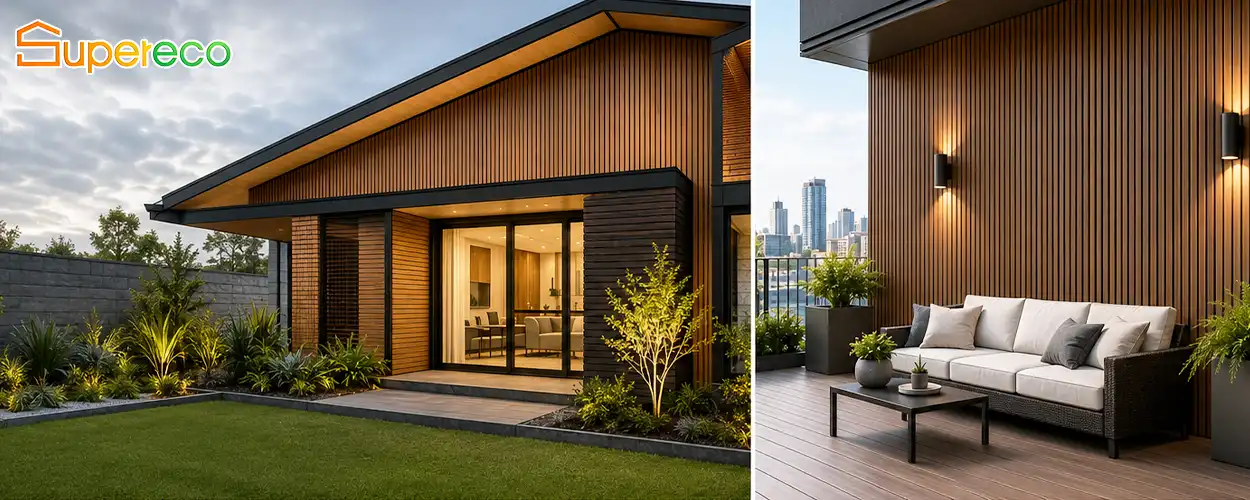
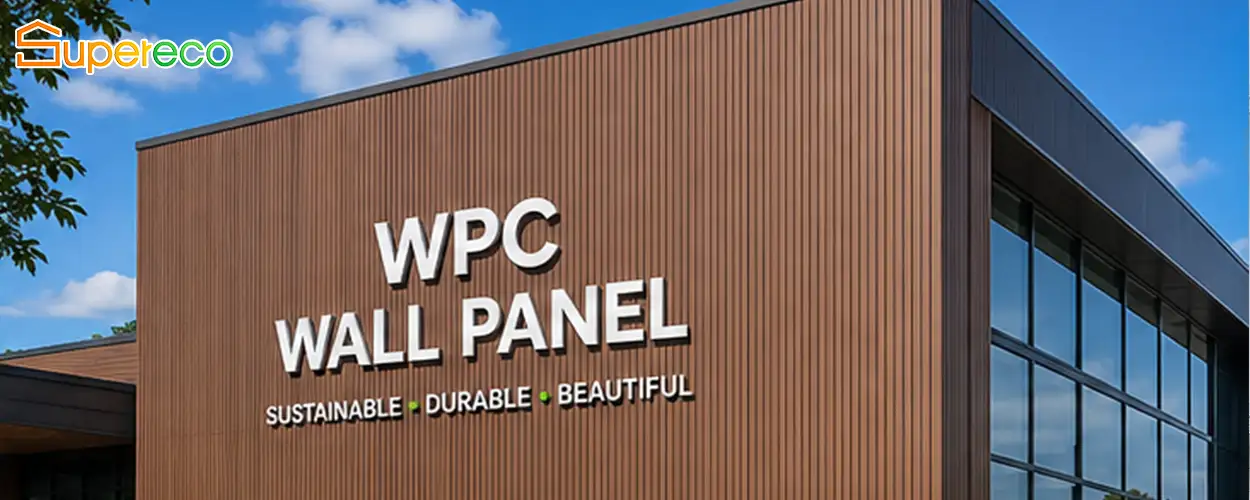
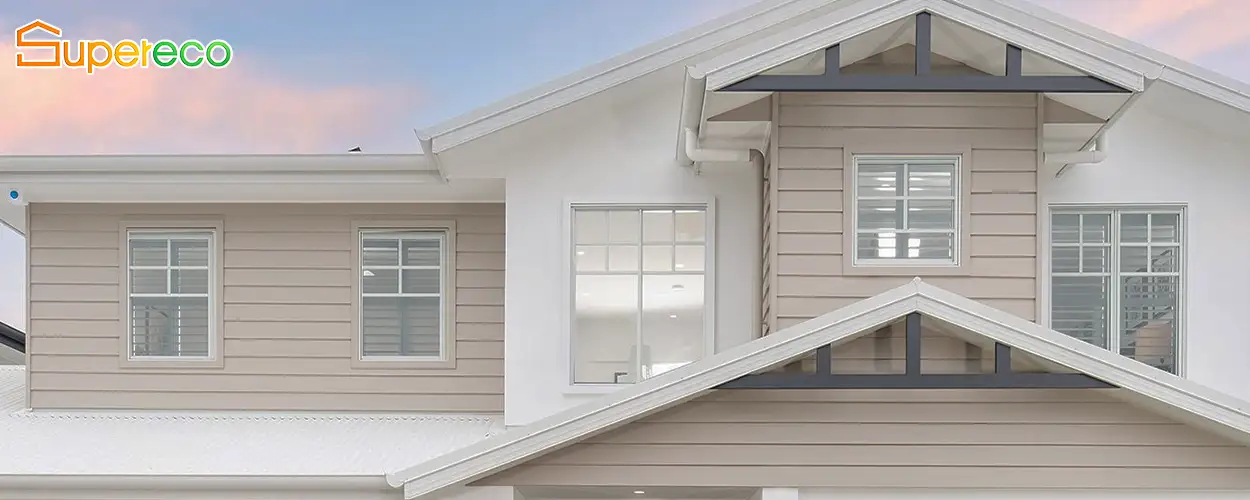
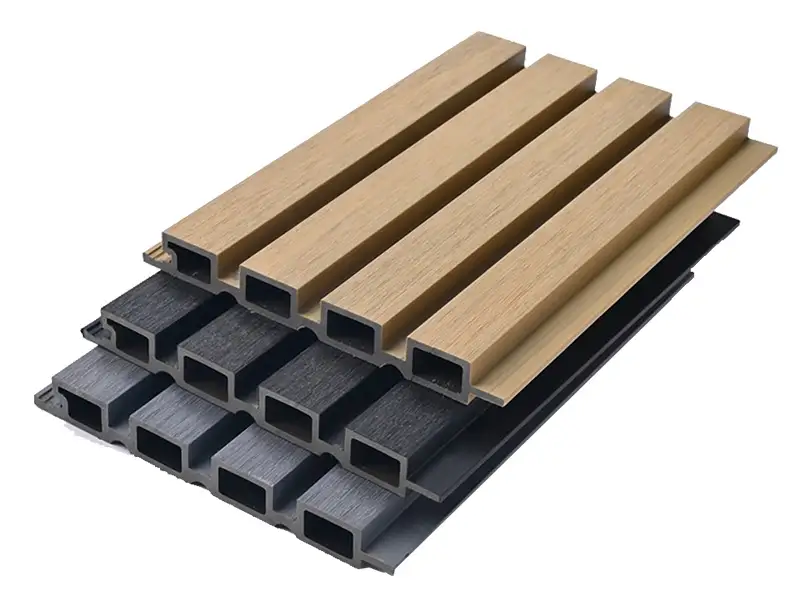
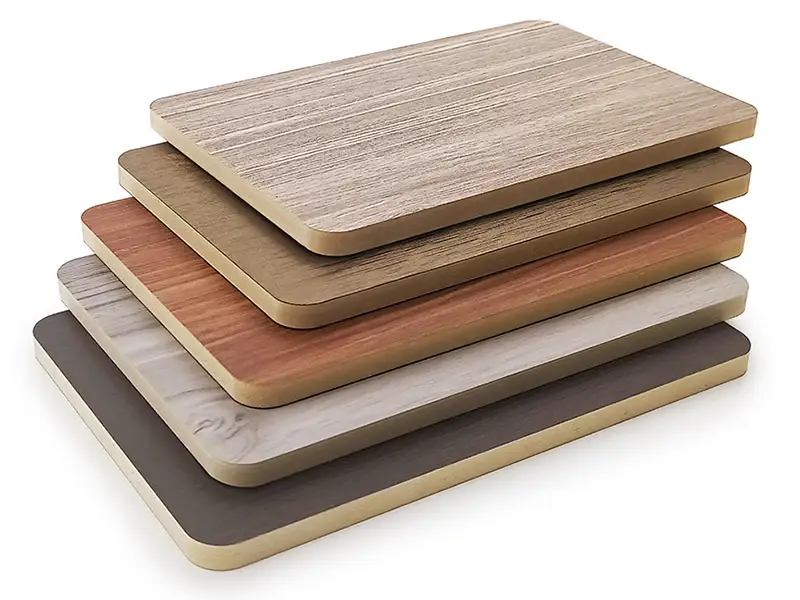
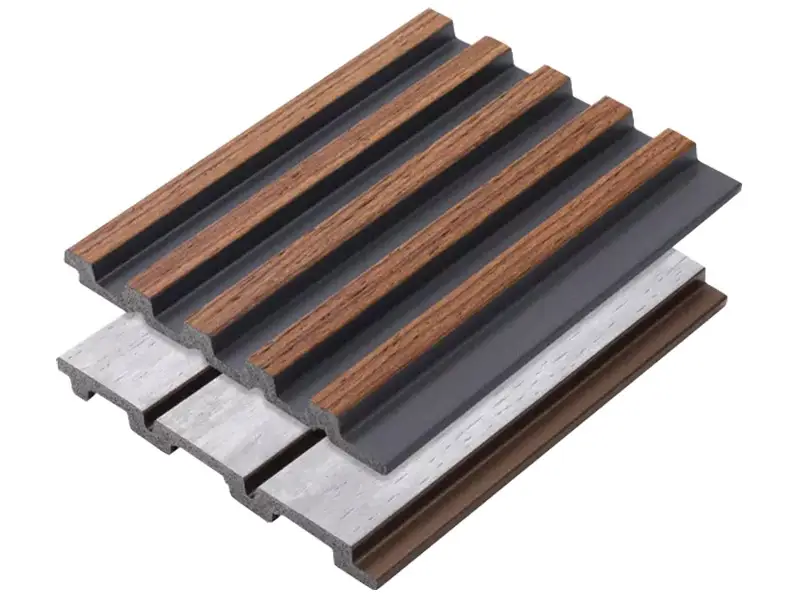
Wood-Plastic Composite (WPC) wallboard panels are a versatile and eco-friendly construction material that combines the durability of plastic with the aesthetic appeal of wood. These panels are increasingly popular in modern architecture and interior design for their durability, ease of installation, and low maintenance. Here’s a detailed look at WPC wallboard panels: 1. What is a WPC Wallboard Panel? WPC wallboard panels are made by blending wood fibers or sawdust with thermoplastic materials such as polyethylene, polypropylene, or PVC. This mixture is then extruded or molded into panels that replicate the look of natural wood but have the resilience of plastic. 2. Key Features of WPC Wallboard Panels Durability: Resistant to rot, mold, and pests.Low Maintenance: Easy to clean, with no need for painting, sealing, or regular upkeep.Eco-Friendly: Made from recycled materials and fully recyclable.Weather Resistance: Withstands moisture, UV rays, and temperature fluctuations, making it suitable for indoor and outdoor use.Aesthetic Appeal: Offers a natural wood-like appearance with various colors, textures, and finishes.Fire Resistance: Some panels are treated to enhance fire resistance. 3. Applications of WPC Wallboard Panels Interior Walls: Enhances living rooms, bedrooms, and offices with a modern or rustic aesthetic.Exterior Cladding: Provides weatherproofing and visual appeal to building facades.Ceilings: Adds texture and depth to ceilings in homes, hotels, or commercial spaces.Partitions: Ideal for creating temporary or semi-permanent partitions in offices or homes.Wet Areas: Perfect for bathrooms, kitchens, or poolside spaces due to their water resistance. 4. Installation Process of WPC Wallboard Panels WPC wallboard panels are lightweight and designed for easy installation: Preparation: Surface cleaning and framework setup.Cutting: Panels can be cut to size using standard woodworking tools.Fixing: Panels are fixed using screws, adhesives, or clips, depending on the application.Finishing: Gaps are sealed with matching trims or fillers. 5. Advantages Over Traditional Materials Unlike wood, WPC panels do not warp, crack, or split over time.More sustainable than pure plastic or wood, reducing environmental impact.Cost-effective in the long run due to minimal maintenance requirements. 6. Popular Brands and Products Many manufacturers offer WPC wallboard panels, often customized to suit specific needs. Leading brands include: Availability in various sizes, textures, and colors. 7. Care and Maintenance WPC wallboard panels require minimal effort to maintain:Wipe with a damp cloth or mild detergent for cleaning.Avoid harsh chemicals or abrasive tools to prevent surface damage. Would you like additional details on suppliers, pricing, or specific installation techniques? Let me know!

What is a WPC Wallboard Panel? Read More »

Scroll to Top