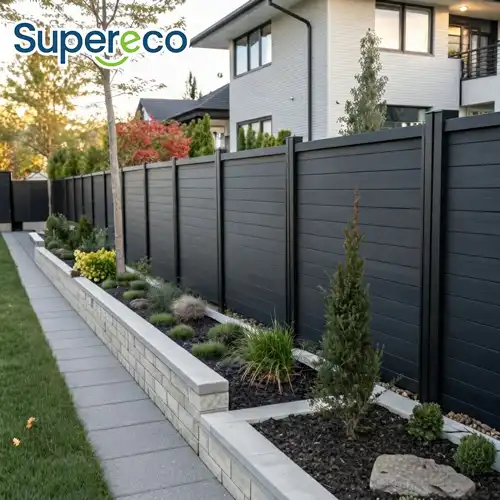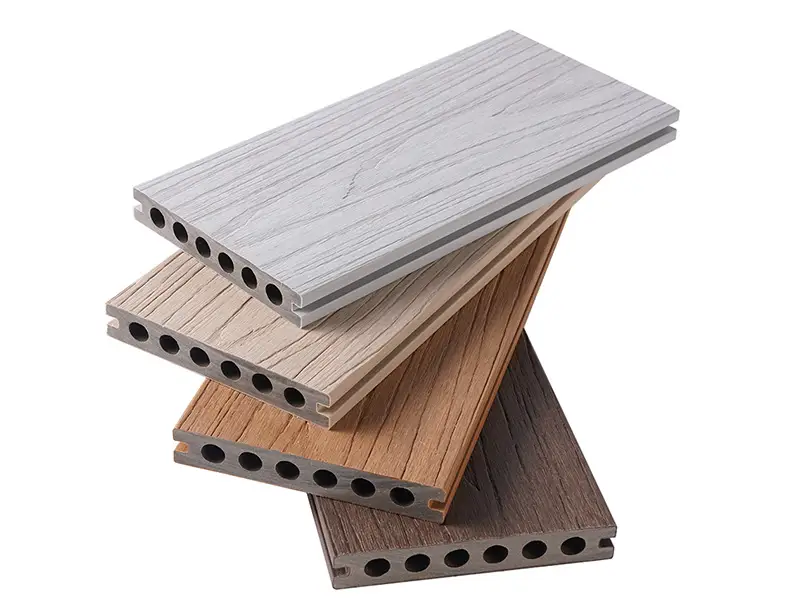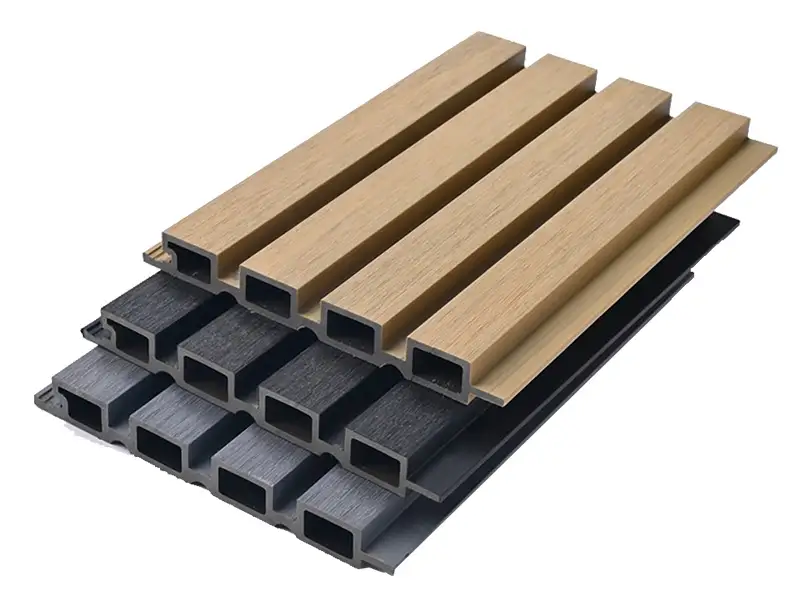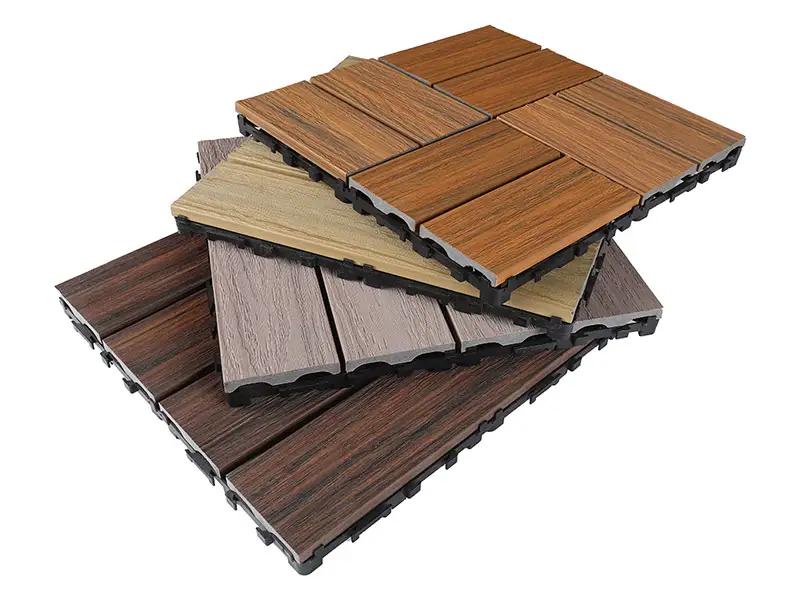
Author name: superecowpc.com

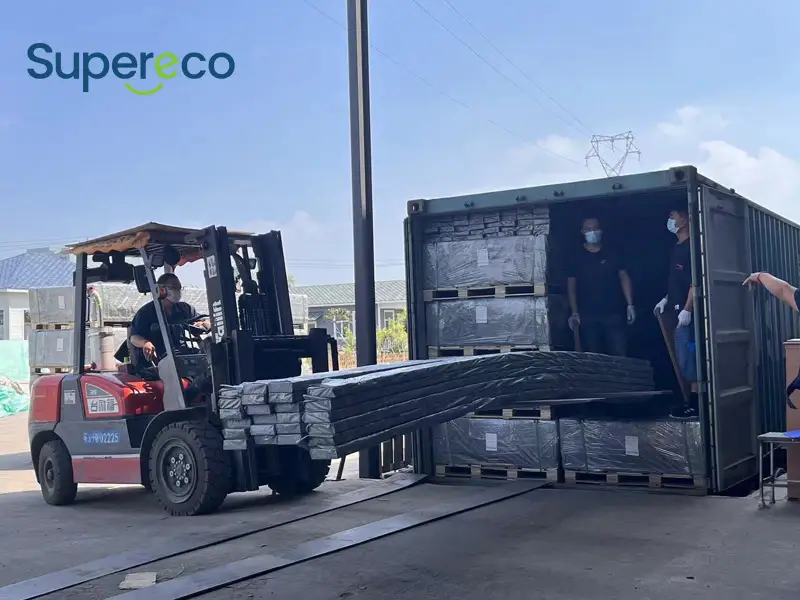
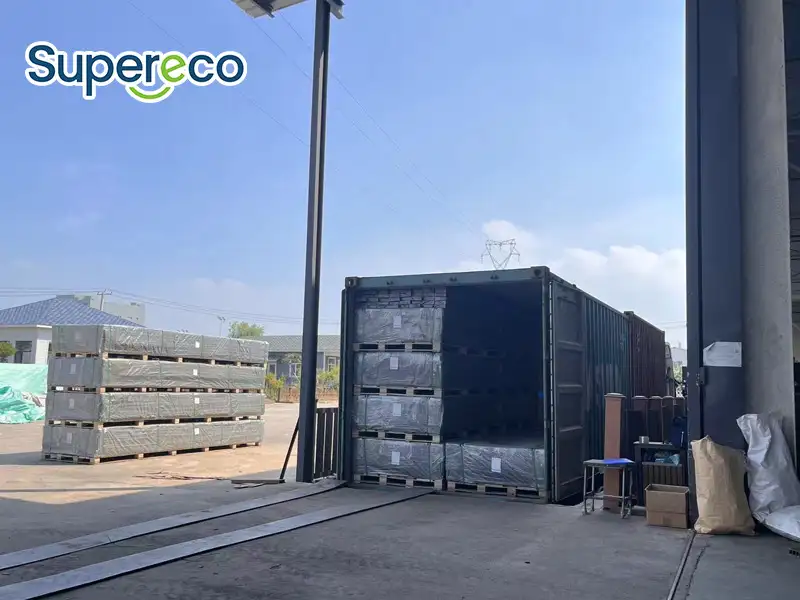
Forklift loading packed WPC decking products into a shipping container at Supereco factory for international bulk export

Common Problems With Composite Decking — And How to Avoid Them

Composite decking has become one of the fastest-growing outdoor building materials worldwide because it offers: lower maintenance longer lifespan better weather resistance improved dimensional stability But despite its advantages, some buyers still experience problems such as: color fading surface cracking swelling unstable installation peeling co-extrusion layers The truth is: Most composite decking problems are not caused by the material itself. They are usually caused by: low-quality raw materials poor manufacturing control weak co-extrusion technology insufficient outdoor testing For distributors, contractors, and commercial buyers, understanding these risks before purchasing is critical. This guide explains the most common issues with WPC decking, what causes them, and how reliable manufacturers reduce these problems in real outdoor applications. Color Fading The Problem One of the most common complaints about low-quality outdoor composite decking is uneven fading after prolonged UV exposure. This problem is especially common in: tropical climates rooftop projects poolside areas coastal regions Low-grade decking may begin losing color consistency within just a few years. What Causes It? Color fading is usually related to: weak UV stabilizers low-quality pigments thin protective cap layers unstable recycled materials Some low-cost manufacturers reduce additive content to lower production cost, which directly affects outdoor durability. How to Avoid It Choose a professional capped composite decking supplier that provides: UV resistance testing weather-aging reports stable co-extrusion technology real outdoor project references High-quality capped decking generally provides better long-term color stability than Surface Cracking Surface cracking is often linked to: excessive filler content poor formulation balance low-grade recycled plastic unstable extrusion temperatures In many cases, manufacturers reduce production cost by sacrificing structural stability. How to Avoid It A reliable WPC decking manufacturer should maintain: stable material formulation controlled extrusion processes proper density standards mechanical strength testing For commercial projects, long-term structural stability matters far more than saving a small amount on initial material cost. Swelling & Water Absorption The Problem Some low-quality composite boards absorb moisture over time, leading to: swelling deformation unstable dimensions This issue becomes more serious in humid or rainy environments. What Causes It? Water absorption problems are commonly caused by: poorly dried wood fibers weak manufacturing control inconsistent material density insufficient cap protection How to Avoid It Experienced composite decking manufacturers carefully control: wood fiber moisture content extrusion consistency board density cap layer stability This is one reason why capped composite decking is increasingly preferred for: coastal applications poolside projects humid climates commercial outdoor environments Weak Co-Extrusion Layer The Problem Some capped decking products experience: surface peeling layer separation premature surface wear after long-term outdoor use. What Causes It? This usually happens when manufacturers use: overly thin cap layers unstable bonding technology inconsistent production systems Not all co-extrusion products provide the same outdoor durability. How to Avoid It When sourcing from a co extrusion decking manufacturer, buyers should request: cap layer specifications adhesion testing reports weather resistance data long-term outdoor testing results Reliable suppliers are usually transparent about technical performance standards. Weak Hidden Fastener Systems The Problem Low-quality clips and fastening systems can lead to: unstable installations board movement squeaking noise long-term safety concerns Yet many buyers focus only on decking boards while ignoring accessory quality. How to Avoid It Professional composite decking wholesale suppliers usually provide: tested fastening systems matching accessories installation guidance project-specific recommendations A stable installation system is just as important as the decking board itself. Why Manufacturing Quality Matters More Than Low Pricing In the global decking industry, products may look similar in catalogs or samples. But long-term outdoor performance depends heavily on: raw material quality formulation stability manufacturing control outdoor testing standards Reliable manufacturers invest in: UV resistance testing water absorption testing mechanical performance verification weather-aging simulation product consistency control rather than competing only on low pricing. For distributors and contractors, choosing the right supplier can significantly reduce: warranty claims replacement costs project delays customer complaints over the long term. Why More Buyers Work With Supereco Supereco WPC focuses on large-scale outdoor composite manufacturing for distributors, contractors, wholesalers, and commercial projects worldwide. Manufacturing Strength 20+ Years Manufacturing Experience 70+ Countries Served 1000+ Completed Projects 10M+ WPC Products Delivered The company supplies: WPC decking capped composite decking WPC wall panels WPC fencing systems WPC deck tiles for both residential and commercial outdoor applications. Technical & Quality Advantages Supereco supports stable product performance through: CNAS-Accredited In-House Testing Lab Used for: UV resistance testing water absorption testing dimensional stability testing mechanical performance verification Third-Party Tested by Intertek & SGS Independent testing helps verify: outdoor durability product consistency long-term weather resistance Patented Product Technology Designed to improve: color retention structural stability installation performance outdoor durability for demanding outdoor environments worldwide. Final Thoughts Most common problems with composite decking are preventable. The key difference usually comes down to: manufacturing quality raw material standards testing capability long-term product stability For distributors, contractors, and project buyers, choosing a reliable composite decking supplier is one of the most important decisions for reducing: maintenance issues replacement costs warranty risks customer complaints The right supplier does not simply sell decking products. They help ensure reliable outdoor performance for years after installation.

Common Problems With Composite Decking — And How to Avoid Them Read More »

wpc decking for commercial projects & wholesale designed for large scale outdoor projects

Composite Decking vs Wood Decking: Which Is Better for Your Project?

For years, wood decking was the default choice for outdoor spaces. Today, more distributors, contractors, resorts, and developers are switching to composite decking for one reason: Lower long-term cost with more stable outdoor performance. The real comparison is no longer: “Which material looks better?” The real question is: Which material lasts longer? Which requires less maintenance? Which reduces future replacement costs? Which creates fewer customer complaints? Which performs better in harsh outdoor environments? This is why composite decking vs wood decking has become one of the most searched topics among global outdoor building material buyers. The answer depends on: project type climate maintenance expectations installation requirements long-term operating cost This guide breaks down the real differences between wood and modern WPC decking, helping buyers choose the right material based on long-term project value — not just initial price. Quick Comparison: Composite Decking vs Wood Decking Factor Composite Decking Wood Decking Maintenance Low High Lifespan 20–30 Years 8–15 Years Waterproof Performance Excellent Limited Cracking & Warping Minimal Common UV Resistance Strong Fades Over Time Surface Splinters No Yes Anti-Termite Performance Excellent Vulnerable Installation Stability High Moderate Long-Term Cost Lower Higher Eco-Friendliness Recycled Materials Natural Timber Consumption For commercial projects and wholesale applications, long-term maintenance and replacement costs often matter more than initial material pricing. This is one of the biggest reasons global demand for composite decking wholesale products continues to grow. What Is Composite Decking? Composite decking is an engineered outdoor material made from: recycled HDPE plastic wood fibers UV stabilizers performance additives Unlike traditional wood, modern outdoor composite decking is designed to improve: weather resistance dimensional stability moisture protection long-term durability Today, composite decking is widely used for: resorts hotels rooftop decks restaurants poolside projects commercial outdoor spaces residential patios Many buyers working with a professional composite decking manufacturer now prioritize lifecycle value over short-term cost savings. Maintenance: The Biggest Long-Term Difference Maintenance is where wood and composite differ the most. Wood Decking Typically Requires: staining sealing sanding repainting anti-rot treatment termite protection Without ongoing maintenance, wood is more likely to: crack warp absorb moisture fade develop mold This becomes expensive for: resorts restaurants public spaces large commercial projects By comparison, modern WPC decking requires minimal maintenance beyond routine cleaning. For distributors and contractors, this usually means: fewer warranty claims lower replacement costs better long-term customer satisfaction Weather Resistance & Outdoor Durability Outdoor materials must survive: rain UV exposure humidity temperature fluctuations heavy foot traffic Traditional wood naturally expands and contracts when exposed to moisture. Over time, this often causes: cracking deformation structural movement unstable surfaces Modern capped composite decking is specifically engineered to reduce these issues. Its protective polymer layer improves: UV resistance stain resistance moisture resistance scratch resistance color stability This is why many developers now prefer sourcing from a professional capped composite decking supplier for demanding outdoor environments. Especially in: coastal regions tropical climates swimming pool projects humid environments composite materials generally provide more stable long-term performance. Installation Efficiency Matters More Than Most Buyers Realize For commercial projects, installation problems directly affect: labor cost project timelines after-sales service contractor efficiency Wood decking often requires: additional surface treatment more frequent alignment adjustment ongoing maintenance planning Modern systems from an experienced WPC decking manufacturer usually provide: hidden fastener systems consistent board dimensions simplified installation improved structural stability For contractors and distributors, installation efficiency directly impacts project profitability. Long-Term Cost: Where Composite Decking Often Wins Many buyers initially focus on material price per square meter. Experienced project buyers focus on: maintenance cost replacement frequency labor expenses operational lifespan lifecycle value Wood decking may appear cheaper upfront. But over time, additional costs often include: refinishing repairs board replacement maintenance labor This is why many buyers sourcing from a composite decking supplier evaluate total ownership cost instead of only initial purchasing price. For commercial projects, composite decking often becomes the more economical long-term solution. Appearance: Natural Wood vs Modern Composite Technology Wood decking offers natural grain variation and traditional visual appeal. However, natural timber appearance changes significantly over time due to: UV exposure moisture weather aging Modern co extrusion decking manufacturer technology has significantly improved composite aesthetics. Today’s premium composite decking can provide: realistic wood grain textures embossed finishes multi-tone color systems matte surface appearance while maintaining better long-term consistency. For commercial outdoor spaces, appearance stability over time is often more important than natural variation. Which Material Is Better for Different Projects? Wood Decking Is Often Better For: rustic residential projects traditional aesthetics low-traffic applications short-term budget projects Composite Decking Is Often Better For: resorts & hotels commercial outdoor projects rooftop decks restaurants & cafes poolside areas distributors & wholesale projects humid or coastal climates low-maintenance outdoor spaces This is why demand for composite decking wholesale products continues growing globally. Common Misconceptions About Composite Decking “Composite Decking Looks Artificial” Older-generation products often lacked realistic texture. Modern manufacturing technology now offers: deep embossing realistic wood textures natural matte finishes multi-color surface designs that more closely replicate natural timber. “Composite Decking Gets Too Hot” Surface temperature depends on: color selection sun exposure local climate ventilation Lighter colors and proper installation spacing significantly improve comfort. “Composite Decking Is Too Expensive” Initial pricing may be higher than standard wood. But many buyers underestimate: maintenance savings reduced labor costs longer lifespan lower replacement frequency Over time, composite decking often provides stronger overall project value. Why Global Buyers Choose Supereco Supereco WPC focuses on large-scale outdoor composite manufacturing for distributors, contractors, wholesalers, and commercial projects worldwide. Key Manufacturing Data 20+ Years Manufacturing Experience 70+ Countries Served 1000+ Completed Projects 10M+ WPC Products Delivered The company provides: WPC decking capped composite decking WPC wall panels WPC fencing systems WPC deck tiles for both residential and commercial outdoor applications. Technical & Quality Strength Supereco supports stable product quality through: CNAS-Accredited In-House Testing Lab Used for: UV resistance testing dimensional stability testing water absorption testing mechanical performance verification Third-Party Tested by Intertek & SGS Independent testing helps verify: outdoor durability product consistency long-term weather performance Patented Product Technology Designed to

Composite Decking vs Wood Decking: Which Is Better for Your Project? Read More »

How to Choose a Reliable Composite Decking Supplier in China

Global demand for composite decking continues to grow as distributors, contractors, builders, and outdoor living brands look for materials that offer lower maintenance, longer lifespan, and more stable outdoor performance than traditional wood. But while sourcing from China can offer strong manufacturing advantages and competitive pricing, many buyers still face the same problem: How do you identify a reliable composite decking supplier before quality issues become expensive project problems? For experienced importers, the real risk is rarely the initial product price. The bigger risk usually appears later: inconsistent quality between containers delayed shipments fading boards after sun exposure cracking or deformation unstable co-extrusion layers poor packaging during transport suppliers disappearing after delivery In the outdoor building materials industry, supplier stability matters just as much as product quality. This guide explains what professional buyers actually evaluate before choosing a composite decking supplier in China — and how to avoid the sourcing mistakes that commonly lead to warranty claims, project delays, and customer complaints. Why Global Buyers Are Moving From Wood to Composite Decking Traditional timber decking still exists in many markets, but commercial projects are increasingly shifting toward composite materials for one simple reason: Long-term cost efficiency Compared with natural wood, modern composite decking offers: lower maintenance requirements improved moisture resistance reduced cracking and warping better dimensional stability longer service life improved anti-slip performance lower long-term replacement costs This is why hotels, resorts, commercial developments, poolside projects, restaurants, and distributors are increasingly working directly with a professional WPC decking manufacturer instead of relying solely on hardwood suppliers. For many buyers sourcing composite decking wholesale, the purchasing decision is no longer based only on material appearance. They are evaluating: lifecycle cost installation efficiency future maintenance expenses replacement frequency warranty risk customer satisfaction long-term durability in local climates And this changes how experienced buyers choose suppliers. Verify Whether the Supplier Is a Real Manufacturer One of the biggest sourcing mistakes buyers make is assuming every supplier with factory photos is an actual manufacturer. In reality, many companies are trading firms outsourcing production from multiple factories. A reliable composite decking manufacturer should be able to clearly demonstrate: extrusion production lines raw material storage systems in-house quality control surface treatment processes OEM packaging capability production capacity export loading experience technical testing procedures Experienced importers usually ask questions such as: How many extrusion lines do you operate? What is your monthly capacity? Can you guarantee color consistency between batches? How do you control moisture content in raw materials? What happens if replacement boards are needed six months later? Do you have experience supplying commercial projects? Reliable manufacturers answer these questions confidently and transparently. A supplier with stable production systems is far more likely to provide: consistent product quality reliable lead times stable dimensions repeatable color control long-term supply continuity rather than simply offering low pricing. Raw Material Quality Determines Long-Term Performance Two composite decking boards can look almost identical in product photos while performing completely differently outdoors after one year. The biggest difference usually starts with raw materials. A professional WPC manufacturer should clearly explain: HDPE source quality wood fiber ratio UV stabilizers coupling agents anti-oxidation additives co-extrusion cap composition moisture control standards Low-quality suppliers often reduce costs by: lowering Uusing contaminated recycled plastics increasing calcium powder or filler content using poorly dried wood powder reducing protective cap thicknessV additive ratios These shortcuts often lead to: surface cracking color fading swelling brittle boards peeling layers poor dimensional stability Professional buyers increasingly request: density reports water absorption data UV aging tests anti-slip testing material composition details actual cut samples before placing large wholesale orders. Because outdoor materials are judged by how they perform after years of weather exposure — not how they look in a showroom. Understand the Difference Between Traditional WPC and Co-Extrusion Decking Many buyers searching for a capped composite decking supplier or co extrusion decking manufacturer do not fully understand the technical difference between the two systems. Traditional WPC Decking Typically offers: lower initial cost solid structural performance standard outdoor durability good value for budget-focused projects Co-Extrusion Composite Decking Features an additional protective polymer cap layer that improves: stain resistance moisture resistance scratch resistance UV stability color retention long-term appearance This is why co-extrusion products are increasingly preferred for: commercial outdoor projects hospitality developments poolside areas public spaces premium residential markets However, not all capped decking performs equally. Some suppliers apply extremely thin protective layers to reduce production costs. This may create problems such as: surface peeling uneven fading premature wear weak scratch resistance Experienced buyers often request: cap thickness information accelerated weather testing scratch resistance reports real project references stain resistance demonstrations before confirming orders. Outdoor Testing Standards Matter More Than Product Photos Many suppliers can provide attractive product catalogs. Far fewer can provide reliable outdoor performance testing. A professional WPC decking supplier should offer technical data related to: UV resistance water absorption thermal expansion anti-slip performance static load testing fire rating stain resistance weather durability This becomes especially important for projects located in: coastal climates high-temperature regions humid environments commercial public areas swimming pool installations For example, poor UV protection may not become visible until after prolonged sun exposure. At that point, replacing faded decking can become significantly more expensive than choosing a better supplier initially. Reliable manufacturers understand that outdoor products must survive real environmental conditions — not just pass showroom inspection. Stable Supply Chain Is More Valuable Than Cheap Pricing Many buyers focus heavily on unit pricing during the initial quotation stage. Experienced distributors focus on supply stability. Because the biggest hidden costs usually come from: delayed production inconsistent colors between batches damaged packaging missing accessories unstable inventory replacement delays weak shipment coordination Reliable composite decking wholesale suppliers usually maintain: stable raw material sourcing standardized production systems export-grade packaging dedicated QC procedures container loading experience repeat order management systems For distributors managing multiple projects, supply consistency often matters more than saving a few dollars per square meter. A reliable supplier protects: project timelines contractor relationships brand reputation long-term profitability

How to Choose a Reliable Composite Decking Supplier in China Read More »

outdoor wpc wall panel supereco

Why WPC Wall Panels Are Ideal for Renovation Projects?

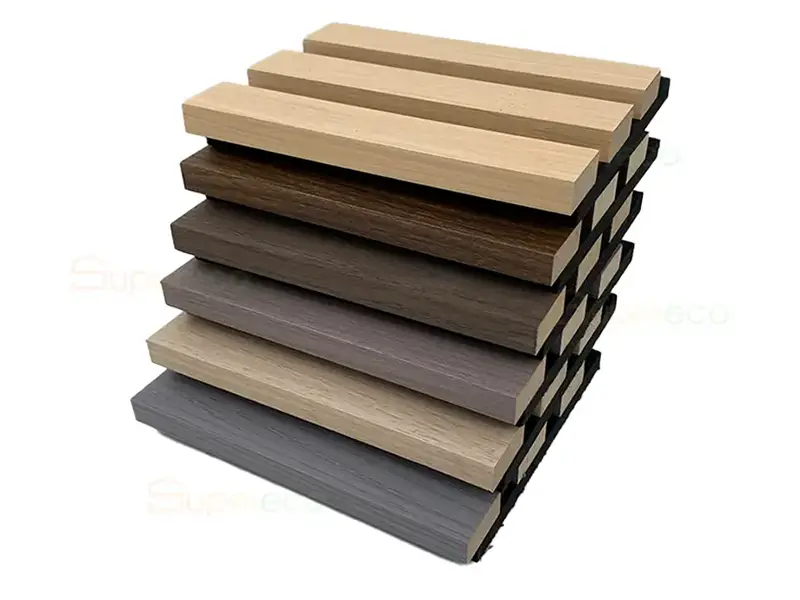
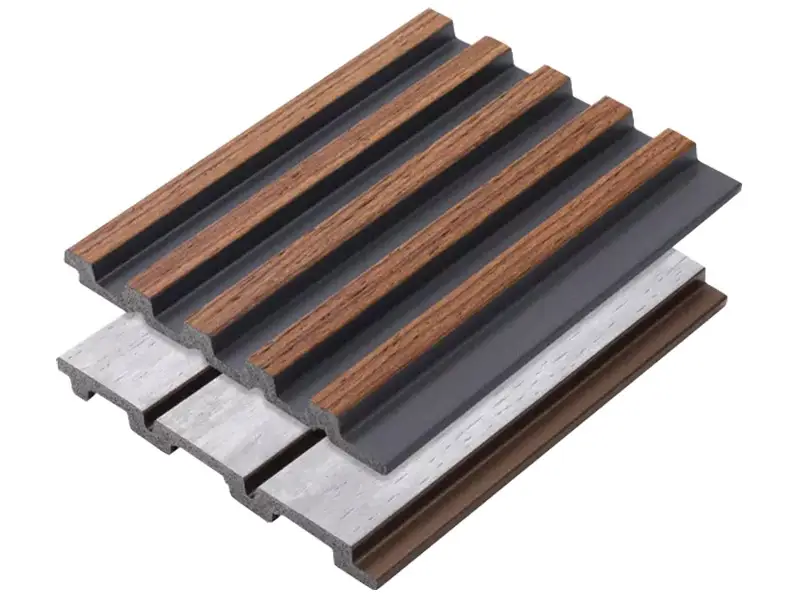
Table of Contents Renovation projects across Europe, North America, Australia, and the Middle East are rapidly shifting toward sustainable, low-maintenance, and visually premium materials. Among the fastest-growing building materials in recent years, WPC Wall Panel systems have become a preferred solution for contractors, developers, wholesalers, importers, and project buyers seeking long-term value and faster installation. From luxury hotels and office upgrades to residential facades and outdoor commercial renovations, WPC Wall Panels deliver the perfect balance of durability, aesthetics, and cost efficiency. For bulk buyers and construction material distributors, choosing the right wall cladding solution directly impacts project profitability, maintenance costs, and customer satisfaction. That’s exactly why demand for wpc wall panel outdoor products continues to rise globally. What Is a WPC Wall Panel? A WPC Wall Panel (Wood Plastic Composite Wall Panel) is a modern decorative and protective wall material made from a blend of wood fibers, recycled plastics, and performance additives. It combines the natural appearance of wood with the durability of engineered composite materials. Core Features of WPC Wall Panels Feature Benefit Waterproof Structure Suitable for humid and outdoor environments UV Resistance Prevents fading and discoloration Termite Resistance Longer service life Fire Retardant Options Better building safety Easy Installation Lower labor costs Low Maintenance Saves operational expenses Eco-Friendly Materials Supports green building standards Compared with traditional wood panels, aluminum cladding, or PVC boards, WPC Wall Panels offer a more balanced solution for modern renovation requirements. Why Renovation Projects Prefer WPC Wall Panels The global renovation market is becoming increasingly focused on: Faster construction timelines Sustainable materials Lower lifecycle costs Modern architectural appearance Weather-resistant solutions Minimal maintenance This trend is particularly strong in developed countries where labor costs are high and building regulations are stricter. Fast Installation Saves Labor Costs One of the biggest concerns for renovation contractors is minimizing downtime and labor expenses. Traditional wall renovation methods often involve: Surface repair Painting Waterproof treatment Multiple finishing processes In contrast, WPC Wall Panels feature modular installation systems that significantly reduce project timelines. Advantages for Contractors Tongue-and-groove installation Lightweight structure Reduced on-site cutting Lower skilled labor dependency Cleaner installation process For commercial renovations such as hotels, shopping centers, restaurants, and office buildings, time savings directly translate into higher profitability Excellent Waterproof Performance for Outdoor Renovation Outdoor renovation projects face harsh weather conditions including: Rain Snow UV exposure Humidity Temperature fluctuations This is where wpc wall panel outdoor systems outperform traditional wood materials. Why Outdoor WPC Panels Are More Reliable Unlike natural wood, WPC materials: Do not rot Resist moisture absorption Prevent mold growth Maintain structural stability Require minimal repainting This makes them ideal for: Exterior wall cladding Balcony decoration Commercial facades Garden buildings Resort renovation projects Outdoor hospitality spaces In coastal regions and humid climates, waterproof wall solutions are becoming one of the highest-converting search categories on Google. Modern Design Flexibility Increases Property Value Today’s renovation buyers are not only focused on durability. Design also matters. Architects and developers increasingly choose WPC Wall Panels because they offer: Wood grain textures Contemporary linear designs Multiple color options Minimalist architectural finishes Luxury visual appearance Popular Design Trends in Europe and North America Dark charcoal wall panels Teak wood finishes Scandinavian-style facades Slatted wall systems Seamless exterior cladding These design trends align perfectly with modern residential and commercial renovation aesthetics. Low Maintenance Means Better Long-Term ROI Maintenance costs can significantly impact property operating expenses. Traditional wood cladding often requires: Annual painting Anti-termite treatment Waterproof coatings Surface repairs By comparison, WPC Wall Panels require very little maintenance. Long-Term Cost Benefits No frequent repainting Easy cleaning with water Longer replacement cycles Reduced maintenance labor Better weather resistance For property developers and hotel operators, this creates substantial savings over time. Eco-Friendly Building Materials Are Becoming a Global Standard Sustainability is no longer optional in many developed markets. Governments and commercial developers increasingly prefer: Recyclable materials Low-carbon construction products Green-certified suppliers Environmentally responsible manufacturing Why WPC Supports Green Building Goals Most high-quality WPC Wall Panel products use: Recycled plastic content Renewable wood fibers Reduced timber consumption Low-emission production methods This makes WPC products attractive for: LEED-related projects Sustainable commercial developments Green architecture initiatives Eco-conscious renovation buyers Fire-Resistant WPC Wall Panels Improve Building Safety Safety regulations in Europe and North America are becoming stricter every year. Modern renovation projects increasingly demand: Fire-rated materials Safer exterior cladding Compliance with building codes Many advanced WPC Wall Panels now offer: B1 fire rating options Flame-retardant additives Improved structural safety This makes them suitable for: Apartment buildings Commercial offices Hotels Educational institutions Public infrastructure projects Why Importers and Wholesalers Are Increasingly Choosing WPC Wall Panels For distributors and bulk buyers, the market potential is substantial. Key Reasons Importers Prefer WPC Products High global demand growth Strong profit margins Easy container loading Broad application range Repeat customer demand Growing outdoor renovation market Search trends in Google increasingly show rising demand for: Exterior composite wall panels Waterproof decorative panels Modern facade cladding Sustainable building materials Outdoor WPC wall systems This indicates long-term market expansion opportunities for wholesalers and importers. Applications of WPC Wall Panels Commercial Projects Hotels Restaurants Shopping malls Office buildings Retail stores Residential Projects Villas Apartments Garden walls Balcony decoration Exterior facades Public Infrastructure Schools Airports Exhibition centers Government buildings Hospitality & Tourism Resorts Beach clubs Outdoor cafes Poolside walls How to Choose a Reliable WPC Wall Panel Supplier Choosing the right supplier is critical for project success. Important Factors to Evaluate Material quality consistency UV resistance certification Waterproof testing reports Fire rating certifications OEM/ODM capabilities Production capacity Export experience Packaging standards For international buyers, suppliers with stable production systems and export experience can reduce procurement risks significantly. Why More Global Buyers Trust SUPERECO As a professional manufacturer focused on composite building materials,SUPERECO WPC Solutions provides high-quality WPC Wall Panels designed for modern architectural projects. Key Advantages Advanced production technology Stable bulk supply capability Custom color and texture options Competitive wholesale pricing International export support Durable outdoor-grade materials Whether you are a contractor, distributor, developer, or importer, choosing the right WPC

Why WPC Wall Panels Are Ideal for Renovation Projects? Read More »

best applications for wpc wall panels in commercial projects

Best Applications for WPC Wall Panels in Commercial Projects

Table of Contents Introduction to WPC Wall Panel Market Trends in Europe The demand for WPC Wall Panel solutions is rapidly growing across Europe and other developed markets. Driven by sustainability regulations, lifecycle cost reduction, and aesthetic flexibility, WPC Wall Panels have become a preferred material for large-scale commercial construction. Rising Demand for WPC Wall Panels in EU Construction Across the EU, green building policies and carbon reduction targets are accelerating the adoption of composite materials. According to recent industry insights, the global WPC market is expected to grow steadily due to its eco-friendly composition and long lifespan . This makes wpc wall panel outdoor solutions especially attractive for project developers seeking compliance and long-term ROI. Why Commercial Buyers Prefer WPC Wall Panels For project contractors, wholesalers, and importers, the value lies in: Bulk consistency for large projects Reduced maintenance costs Long service life in harsh climates Strong aesthetic appeal These factors make WPC a strategic procurement choice rather than just a decorative material. What is a WPC Wall Panel? Composition and Structure A WPC Wall Panel is made from a blend of wood fibers and thermoplastics such as PE or PVC. This hybrid structure combines the natural beauty of wood with the durability of plastic . Key Features of WPC Wall Panels Waterproof and moisture-resistant UV-resistant and color stable Anti-termite and anti-rot Long lifespan with minimal deformation These properties make wpc wall panel outdoor applications highly reliable in commercial environments. Key Advantages of WPC Wall Panels for Outdoor Use Durability & Weather Resistance Outdoor materials must withstand rain, UV exposure, and temperature fluctuations. WPC panels excel here, offering resistance to moisture, fading, and cracking . Low Maintenance Cost Unlike wood, WPC requires no painting or sealing. Cleaning with water is sufficient, significantly reducing operational costs over time . Eco-Friendly Materials WPC panels are typically made from recycled materials, supporting sustainable construction and helping projects meet EU environmental standards . Fire Resistance & Safety Many WPC Wall Panels include fire-retardant additives, improving safety in public and commercial buildings. Best Applications for Outdoor WPC Wall Panels in Commercial Projects 1. Commercial Building Facades Modern office buildings increasingly use WPC Wall Panels for exterior cladding. These panels provide: A sleek, contemporary appearance Long-term durability Reduced maintenance budgets They also improve insulation and energy efficiency. 2. Hospitality Projects (Hotels & Resorts) Hotels require materials that balance aesthetics with durability. WPC panels are ideal for: Exterior walls Balcony cladding Poolside decorative walls Their resistance to moisture and UV exposure ensures long-lasting visual appeal. 3. Retail & Shopping Centers Retail environments demand visually appealing and durable materials. wpc wall panel outdoor solutions are widely used in: Mall exteriors Storefront designs Decorative facades They maintain a premium look despite heavy foot traffic and environmental exposure. 4. Public Infrastructure Projects Governments and municipalities use WPC for: Airports Train stations Public parks Exhibition centers The material’s resistance to wear, pests, and weather makes it ideal for high-traffic public areas . 5. Office Buildings & Business Parks Corporate environments prioritize modern design and cost efficiency. WPC panels offer: Professional appearance Long lifecycle Reduced maintenance costs This makes them a preferred choice for developers and investors. Why Choose WPC Wall Panels Over Traditional Materials Comparison with Wood Feature WPC Wall Panels Traditional Wood Maintenance Low High Lifespan Long Moderate Weather Resistance Excellent Poor Cost Over Time Lower Higher WPC eliminates common issues like rot, warping, and insect damage. Comparison with Aluminum & PVC Better aesthetics than PVC More eco-friendly than aluminum Superior insulation performance How to Choose the Right WPC Wall Panel Supplier Certifications for EU Market Ensure your supplier provides: CE Certification Fire rating compliance Environmental standards (RoHS, REACH) OEM & Bulk Supply Capability For wholesalers and project contractors, key factors include: Stable production capacity Consistent color batches Custom design capability Suggested external link: Visit https://www.superecowpc.com for bulk supply solutions and project consultation. Installation & Maintenance Tips Installation Process Overview Prepare flat substrate Install metal or wood frame Fix panels using clips or screws Ensure proper spacing for expansion Maintenance Best Practices Clean with water periodically Avoid harsh chemicals Inspect joints annually Future Trends of WPC Wall Panels in Commercial Projects The future of WPC Wall Panels is driven by: Sustainable construction demand Smart building integration Prefabricated modular systems With a projected CAGR of over 9%, WPC is set to dominate modern facade materials . FAQs About WPC Wall Panels 1. Are WPC Wall Panels suitable for extreme weather? Yes, they resist UV, moisture, and temperature changes effectively. 2. How long do WPC Wall Panels last? Typically 15–25 years depending on quality and environment. 3. Are WPC panels eco-friendly? Yes, they are made from recycled materials and reduce deforestation. 4. Can WPC Wall Panels be used in coastal areas? Yes, they resist salt spray and humidity. 5. Is installation complicated? No, most systems are designed for quick and easy installation. 6. Are WPC Wall Panels cost-effective for large projects? Yes, due to low maintenance and long lifespan. Conclusion For commercial developers, wholesalers, and importers in Europe and other developed markets, WPC Wall Panel solutions offer unmatched advantages. From durability and sustainability to design flexibility and cost savings, WPC Wall Panels and wpc wall panel outdoor applications are redefining modern construction. Choosing the right supplier and application strategy can significantly improve project ROI and long-term performance. Related Articles

Best Applications for WPC Wall Panels in Commercial Projects Read More »

how to reduce costs with bulk wpc wall panels

How to Reduce Costs with Bulk WPC Wall Panels?

Table of Contents Stop Overpaying for Cladding: Your Smart Guide to Bulk WPC Wall Panels Savings Let’s be honest: if you’re a project manager, distributor, or import specialist sourcing exterior cladding for commercial developments in the US, UK, Germany, or Canada, your margins are under constant pressure. Material costs creep up. Shipping gets unpredictable. And clients still demand premium aesthetics and budget compliance. Here’s the good news: Wood Plastic Composite (WPC) wall panels aren’t just a design trend—they’re a strategic cost-saving tool when sourced correctly in bulk. And when you partner with the right WPC Wall Panels Manufacturer, those savings compound across your entire supply chain. In this no-fluff guide, we’ll break down exactly how bulk purchasing of Outdoor WPC Wall Panels can cut your landed costs by 25–40%, while delivering the durability, low maintenance, and sustainability specs your Western clients expect. (Spoiler: It’s not just about “buying more.” It’s about buying smarter.) Why Bulk WPC Wall Panels Make Financial Sense in 2026 The global WPC market is projected to reach USD 7.2 billion by 2033, growing at a CAGR of 6.5%+ . But growth alone doesn’t save you money. What does? Volume-based pricing tiers – Most reputable factories (including Supereco) offer progressive discounts starting at 500m², with significant jumps at 2,000m² and 5,000m²+ orders. Reduced per-unit logistics – Consolidating shipments lowers freight costs per square meter by 15–30% versus multiple small orders. Fewer production changeovers – Manufacturers optimize runs for large batches, passing efficiency savings to bulk buyers. Inventory buffer against price volatility – Lock in today’s raw material rates before anticipated moderate increases later this year Real talk: One European distributor we worked with reduced their total landed cost by 31% simply by shifting from quarterly 800m² orders to two annual 4,000m² shipments—with zero compromise on quality or lead time. The 5 Cost Levers Most Importers Overlook (But Shouldn’t) 1. Material Composition Transparency = Fewer Hidden Costs Not all WPC panels are engineered equally. Cheaper blends with low wood-fiber content (<50%) or recycled plastic of inconsistent grade may save $0.20/m² upfront—but lead to higher rejection rates, warranty claims, or reputational damage downstream. Smart move: Request a detailed material datasheet. Look for: 55–70% recycled wood fiber + 30–45% thermoplastic (HDPE/PVC) UV stabilizers (critical for Outdoor WPC Wall Panels in high-sun regions) Fire-retardant certifications (CE, ASTM E84 Class A) for commercial compliance 2. Packaging Optimization = Lower Damage & Freight Costs Flimsy packaging = cracked panels = claims, delays, and wasted margin. Smart move: Specify export-grade packaging: Corner protectors + moisture-barrier film Palletized, forklift-ready units (reduces port handling time) Custom labeling with batch/QR tracking for inventory control 3. Lead Time Alignment = Avoid Rush Fees Last-minute orders trigger air freight premiums (3–5× sea freight) and production surcharges. Smart move: Plan 8–10 weeks ahead for ocean freight from China to EU/US ports. Use forecasted project pipelines to schedule bulk production slots. 4. After-Sales Support = Lower Total Cost of Ownership A panel that installs quickly, requires zero sealing, and lasts 15+ years saves far more than the cheapest upfront quote. Smart move: Choose a WPC Wall Panels Manufacturer offering: Pre-sales technical consultation (CAD support, load calculations) Installation training videos or on-site supervision (for large projects) Clear warranty terms (10+ years on color retention, structural integrity) 5. Sustainability Documentation = Faster Customs & Premium Pricing EU and North American projects increasingly require EPDs, FSC-aligned sourcing, or carbon footprint data. Missing docs = customs delays or lost bids. Smart move: Verify your supplier provides: Recycled content certificates Low-VOC emission test reports Digital product passports (increasingly required in Germany, Netherlands) Real-World Bulk Savings Breakdown (Example: 5,000m² Order) Cost Component Small Order (500m²) Bulk Order (5,000m²) Savings Unit Price (FOB) $14.20/m² $10.85/m² 23.6% Freight (Sea, to Rotterdam) $3.10/m² $2.25/m² 27.4% Customs/Duties* $1.85/m² $1.85/m² — Insurance & Handling $0.45/m² $0.32/m² 28.9% Total Landed Cost $19.60/m² $15.27/m² 22.1% *Duties remain constant per HS code; savings come from volume pricing and logistics efficiency. Source: Supereco 2026 wholesale pricing data for EU-bound shipments. Actuals vary by destination, Incoterms, and product spec. How to Vet a Bulk-Ready WPC Wall Panels Manufacturer Not every factory can handle large-scale international orders reliably. Ask these 5 questions before committing: “What’s your monthly production capacity for export-grade WPC wall panels?” → Look for 20,000+ tons/year capability to ensure scalability. “Can you provide references from bulk buyers in my region?” → Reputable suppliers proudly share case studies from US/EU distributors. “Do you offer FOB, CIF, or DDP terms—and which do you recommend for first-time bulk buyers?” → CIF often balances risk/cost best for new importers. “What quality control steps happen after production but before container loading?” → Expect: 100% visual inspection + random batch testing for density, water absorption, UV resistance. “How do you handle partial shipments or phased delivery for large projects?” → Flexibility here prevents cash flow strain and site delays. Ready to Lock In Your Bulk Pricing? If you’re evaluating Outdoor WPC Wall Panels for a Q3/Q4 2026 project—or building inventory for 2027 demand—now is the strategic time to act. Raw material markets remain stable for now, but capacity at top-tier Chinese factories is tightening as global orders rise. Next Step: [Request Your Custom Bulk Quote] – Share your target volume, destination port, and technical specs. Our export team will respond within 24 hours with: Tiered FOB/CIF pricing Sample kit options (free for qualified bulk inquiries) Lead time projection + logistics roadmap No obligation. Just clear numbers to help you decide. Final Thought: Cost Reduction ≠ Quality Compromise The smartest bulk buyers don’t just chase the lowest price. They optimize total value: durability that reduces callbacks, aesthetics that win bids, sustainability that future-proofs projects, and a supplier partnership that scales with their growth. When sourced strategically, WPC Wall Panels aren’t just a cladding choice—they’re a margin-protection strategy. Supereco has supplied 120+ bulk orders to distributors and contractors across North America and Europe since 2019. All panels meet CE, SGS, and ISO 9001 standards. Factory-direct. No middlemen.

How to Reduce Costs with Bulk WPC Wall Panels? Read More »

how to choose the best wpc decking manufacturer for bulk orders

How to Choose the Best WPC Decking Manufacturer for Bulk Orders?

Table of Contents If you’re planning to source WPC Decking at the Canton Fair, you’re stepping into one of the fastest-growing segments in the building materials industry. The challenge? There are hundreds of suppliers, and not all of them can handle large-scale orders with consistent quality. For importers, wholesalers, and project contractors, choosing the right WPC Decking Manufacturer is not just about price—it’s about reliability, long-term performance, and risk control. Let’s go straight to what really matters. Why WPC Decking Demand Is Rising Globally Growth Trends in Composite Decking Over the past few years, global demand for WPC Decking has surged. More developers are shifting toward sustainable materials, especially in North America, Europe, and the Middle East. Large-scale projects—hotels, parks, residential communities—are now standard users of WPC Deck solutions. Why Buyers Prefer WPC Deck Over Wood Traditional wood looks good, but it comes with problems: Rot and decay High maintenance costs Shorter lifespan In contrast, WPC Decking offers: Low maintenance Strong weather resistance Long service life (15–25 years) For bulk buyers, that means fewer complaints and better ROI. Who This Guide Is For Importers You need consistent quality across shipments. One bad batch can damage your entire market reputation. Wholesalers Your focus is margin and repeat orders. A stable WPC Decking Supplier ensures long-term business. Project Contractors Delays and quality issues can kill project timelines. Reliability is everything. What Defines a Reliable WPC Decking Manufacturer Factory Scale & Capacity A professional WPC Decking Manufacturer should have: Multiple extrusion lines Large warehouse space Stable monthly output This ensures they can handle bulk orders without delays. Technology & Production Lines Modern factories use: Co-extrusion technology Automated mixing systems Precision molding equipment This directly impacts product consistency. Quality Control Systems Look for: Raw material inspection In-process testing Final product checks Without strict QC, even a large factory can produce unstable quality. Key Product Factors for Bulk Orders Co-Extrusion Technology Co-extruded WPC Decking has an outer protective layer that improves: UV resistance Scratch resistance Color stability This is now a must-have feature for premium markets. Durability & Weather Resistance High-quality boards should withstand: Extreme heat Heavy rain Freezing temperatures Ask for test reports before placing bulk orders. Anti-Slip & Safety Standards For commercial projects, anti-slip performance is critical. Make sure the product meets international safety standards. Pricing Strategy for Large Volume Orders Cost Breakdown A typical quote includes: Material cost Production cost Packaging Shipping Don’t just compare total price—compare structure. Hidden Charges Watch out for: Mold fees Custom color costs Packaging upgrades These can significantly increase your final cost. Customization & OEM Capabilities Design & Color Options Today’s buyers want variety: Wood grain textures 3D embossing Multi-tone colors A good WPC Decking Supplier should offer flexible design options. Branding & Private Label For wholesalers and importers: Custom logos Branded packaging Exclusive product lines These help you stand out in your market. Logistics & Delivery Reliability Lead Time Standard production time: 15–30 days for bulk orders Always confirm before signing contracts. Packaging & Shipping Proper packaging prevents: Scratches Deformation Moisture damage Good suppliers understand export standards. Canton Fair Sourcing Tips Questions to Ask Suppliers What is your monthly production capacity? Do you support OEM orders? Can you provide project references? Red Flags Prices far below market average No certifications Poor sample quality If something feels off, it probably is. Comparing Multiple WPC Decking Suppliers Create a simple comparison sheet: Supplier Price MOQ Lead Time Warranty This makes decision-making clearer and reduces risk. Common Mistakes Buyers Make Choosing the cheapest option Ignoring factory audits Skipping sample testing Overlooking logistics Avoid these, and you’ll already be ahead of many competitors. Why Choose Supereco For buyers looking for a dependable WPC Decking Manufacturer, Supereco offers: Stable production capacity Consistent product quality Competitive pricing for bulk orders Full OEM and customization support It’s a strong option for Canton Fair buyers who want long-term cooperation instead of one-time deals. FAQs 1. What is the MOQ for WPC Decking? Usually between 100–300 sqm depending on customization. 2. How long does WPC Decking last? Typically 15–25 years with proper installation. 3. Can I customize WPC Deck designs? Yes, most manufacturers support full customization. 4. Is WPC Decking suitable for outdoor use? Absolutely. It’s designed for outdoor environments. 5. What certifications should I check? CE, ISO, FSC, and anti-slip test reports. 6. How do I verify a WPC Decking Supplier? Request samples, visit the factory (or video audit), and check certifications. Conclusion Choosing the right WPC Decking Manufacturer is a strategic decision. It affects your cost, reputation, and long-term business growth. At events like the Canton Fair, it’s easy to get overwhelmed by options. But if you focus on capacity, quality, pricing transparency, and reliability—you’ll find the right partner. Related Articles

How to Choose the Best WPC Decking Manufacturer for Bulk Orders? Read More »

dongstar supereco canton fair plywood guide

Meet Supereco at Canton Fair 2026: Top 3 High-Demand WPC Products Boosting Bulk Profits

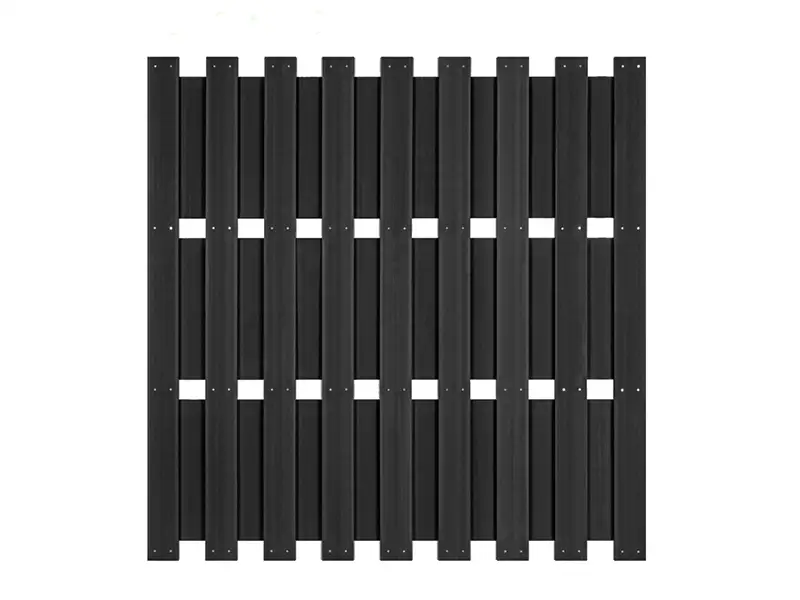
Table of Contents Meet Supereco at Canton Fair 2026 If you’re planning to attend Canton Fair 2026 Phase 2, there’s one booth you shouldn’t miss — Supereco (Dongshida Branch) at Booth No. 12.1 G37-38, H11-12. This year, Supereco is bringing its most competitive product lines: WPC Decking, WPC Fencing, and WPC Wall Panels, designed specifically for project contractors, wholesalers, and importers looking for scalable and reliable supply. In a market where durability, sustainability, and pricing all matter, choosing the right supplier can make or break your margins. Let’s walk through why Supereco is getting attention from global buyers. Why Canton Fair 2026 Matters for Global Buyers The Canton Fair (China Import and Export Fair) remains the largest trade exhibition in Asia, attracting thousands of international buyers every year. What Makes Phase 2 the Best for Building Materials Phase 2 focuses heavily on construction materials, home decoration, and outdoor solutions — making it the perfect stage for WPC product sourcing. Buyers attending this phase are typically: Large-scale project developers Distributors and wholesalers Importers looking for long-term suppliers Supereco (Dongshida Branch): Your Trusted WPC Manufacturer Company Background & Manufacturing Strength Supereco operates under Dongshida, specializing in Wood Plastic Composite (WPC) materials. With advanced production lines and strict quality control systems, the company delivers consistent quality across bulk orders. Export Experience & Global Market Reach Supereco products are already exported to: Europe North America Southeast Asia Middle East This global footprint ensures compliance with international standards and buyer expectations. Featured Products at Booth No. 12.1 G37-38, H11-12 WPC Decking: Durable Outdoor Solutions WPC decking is one of the fastest-growing alternatives to traditional wood decking. Key Features & Benefits Weather-resistant (no cracking or warping) Low maintenance (no painting required) Anti-slip surface for safety Long lifespan (10–20 years) Perfect for: Outdoor terraces Resorts & hotels Public infrastructure projects WPC Fencing: Privacy Meets Performance WPC fencing combines aesthetic appeal with structural strength, making it ideal for modern construction. Application Scenarios Residential privacy fencing Commercial property boundaries Garden and landscape design Buyers prefer WPC fencing because it reduces long-term maintenance costs significantly. WPC Wall Panels: Modern & Eco-Friendly Designs These panels are gaining traction in both interior and exterior applications. Indoor vs Outdoor Use Indoor: Decorative walls, offices, retail spaces Outdoor: Facades, cladding systems Advantages include: Easy installation Fire resistance options Wide range of textures and finishes Why WPC Products Are Trending in 2026 Sustainability & Eco Construction Demand With global policies pushing toward green building materials, WPC has become a preferred alternative to natural wood. It’s made from: Recycled plastic Wood fibers This reduces deforestation and aligns with ESG goals. Cost Efficiency for Bulk Buyers For importers and wholesalers, WPC offers: Lower lifecycle costs Reduced maintenance expenses High resale value That’s why demand is rising steadily on Google search trends for keywords like: “WPC decking supplier China” “bulk WPC fencing manufacturer” “eco wall panels wholesale” What Importers & Wholesalers Care About Most Pricing, MOQ, and Customization Supereco offers: Competitive factory pricing Flexible MOQ options OEM & ODM customization This allows buyers to tailor products for their specific markets. Logistics & Delivery Reliability Timely delivery is critical in large projects. Supereco ensures: Stable production timelines Export-ready packaging Support for international shipping Visit Supereco at Canton Fair: What to Expect Live Product Demonstrations At the booth, you’ll experience: Real product samples Installation demonstrations Material comparisons On-site Negotiation Opportunities Meeting face-to-face allows: Faster decision-making Better pricing discussions Stronger business relationships How to Prepare Before Visiting the Booth To maximize your visit: Bring project specifications Prepare estimated order quantities List customization requirements This helps Supereco provide accurate quotations on-site. AQs About Supereco & WPC Products 1. What is WPC material? WPC stands for Wood Plastic Composite, a mix of recycled plastic and wood fibers. 2. Is WPC better than traditional wood? Yes, it offers better durability, weather resistance, and lower maintenance. 3. Can Supereco handle large bulk orders? Absolutely. Their production capacity supports large-scale international projects. 4. What is the typical lifespan of WPC decking? Usually between 10–20 years depending on usage and environment. 5. Do you offer customization? Yes, including color, size, and surface finishes. 6. Where is Supereco located at Canton Fair 2026? Booth No. 12.1 G37-38, H11-12 during Phase 2 (April 23–27). Conclusion: Secure Your Supply Chain with Supereco If you’re serious about sourcing high-quality WPC Decking, WPC Fencing, and WPC Wall Panels, Supereco offers the reliability, pricing, and product range you need. Meeting them at Canton Fair 2026 gives you a direct advantage — real products, real conversations, and real business opportunities. 👉 Learn more: https://superecowpc.com

Meet Supereco at Canton Fair 2026: Top 3 High-Demand WPC Products Boosting Bulk Profits Read More »

why architects prefer wpc wall panels

Why Architects Prefer WPC Wall Panels?

Table of Contents Introduction: Why WPC Wall Panels Are Dominating Modern Architecture If you’ve been involved in any recent construction or interior design project, you’ve probably noticed one material popping up everywhere — WPC Wall Panels. From luxury hotels to office buildings and residential developments, architects are increasingly specifying WPC panels instead of traditional materials like wood, MDF, or PVC. Why? Because modern projects demand durability, sustainability, cost-efficiency, and fast installation — and WPC delivers all of them. In fact, global demand for WPC materials is growing rapidly due to eco-friendly construction trends and performance advantages. In this article, we’ll break down exactly why architects prefer WPC Wall Panels, and how they can help you win more projects and reduce lifecycle costs. 1. Sustainability Is No Longer Optional — It’s Mandatory Today’s architecture is no longer just about aesthetics — it’s about responsibility. WPC Wall Panels are made from recycled wood fibers and plastic, reducing landfill waste and limiting deforestation. Why This Matters for Projects Meets LEED / green building requirements Supports ESG goals for developers Reduces environmental impact without sacrificing design Key Insight Architects prefer materials that align with sustainability certifications — and WPC panels are a perfect fit. 2. Exceptional Durability for Long-Term Performance Traditional materials come with problems: Wood → warping, cracking MDF → moisture damage Paint → frequent maintenance WPC Wall Panels solve all of these. Performance Advantages Waterproof & moisture-resistant Termite & insect-proof UV-resistant (no fading) Crack & warp resistant This makes them ideal for: Commercial buildings Hotels & resorts Exterior facades WPC panels can last 15–25 years, significantly reducing replacement costs. 3. Low Maintenance = Lower Lifecycle Costs For project owners, maintenance cost is often more important than initial price. WPC Wall Panels require: No painting No sealing No polishing Just simple cleaning. Why Developers Love This Reduces operational costs Saves labor expenses Ensures consistent appearance Over time, WPC becomes more cost-effective than wood or stone. 4. Fast Installation = Faster Project Delivery Time is money in construction. WPC Wall Panels feature: Lightweight structure Clip-lock or tongue-and-groove systems Dry installation (no wet work) Project Benefits 40–60% faster installation Reduced labor costs Shorter project timelines This is why contractors and developers increasingly choose WPC for: Renovation projects Modular construction Commercial interiors 5. Design Flexibility That Architects Love Modern architecture demands flexibility — and WPC delivers unmatched versatility. Design Options Wood grain textures Stone & marble finishes 3D embossed patterns Matte & modern surfaces Advanced technology allows WPC panels to closely mimic natural materials while offering better performance. Trending in 2025–2026 Earth tones & natural colors Fluted/slatted panels Minimalist geometric patterns Architects love WPC because it allows them to balance aesthetics with functionality. 6. Ideal for Both Interior and Exterior Applications One of the biggest advantages of WPC Wall Panels is versatility. Application Scenarios Interior walls (living rooms, offices) Exterior cladding Bathrooms & kitchens Commercial spaces Unlike traditional materials, WPC performs well in high humidity and outdoor environments. 7. Strong ROI for Developers & Investors Let’s talk numbers — because ROI drives decisions. Why WPC Wall Panels Improve ROI Lower maintenance costs Faster construction = earlier revenue Long lifespan Reduced replacement frequency For large-scale projects, this can mean millions saved over time. Real Market Trend: Why WPC Is Growing Globally

Why Architects Prefer WPC Wall Panels? Read More »

how to choose the right outdoor wpc wall panel supplier

How to Choose the Right WPC Wall Panel Supplier?

Table of Contents Why Choosing the Right WPC Wall Panel Supplier Matters If you’re sourcing materials for a large project, picking the right WPC Wall Panel Supplier isn’t just a procurement task—it’s a strategic decision. The supplier you choose will directly affect your project’s timeline, cost, and long-term performance. Impact on Project Cost and Quality A reliable WPC Wall Panel supplier ensures: Consistent product quality Stable pricing for bulk orders On-time delivery On the flip side, a poor supplier can lead to delays, material defects, and unexpected costs that eat into your margins. Risks of Choosing the Wrong Supplier Buyers in North America and Europe often face: Panels fading within 1–2 years Warping due to low-quality materials Lack of compliance with fire or safety standards These issues are not just inconvenient—they can damage your reputation. What Is a WPC Wall Panel? A WPC Wall Panel is a composite material made from wood fibers and plastic polymers. It’s designed for outdoor durability while maintaining a natural wood-like appearance. Composition and Key Features Typical features include: UV resistance Water resistance Anti-termite properties Long lifespan (15–25 years) Why WPC Wall Panels Are Popular in Developed Markets In countries like the US, Germany, and Australia, demand for composite wall panels is growing fast. The reasons are simple: Strict environmental regulations High labor costs (favoring low-maintenance materials) Increasing focus on sustainability Key Criteria for Selecting a WPC Wall Panel Supplier Product Quality and Certifications Always check for: ISO certification Fire ratings (B1 or A2) UV resistance testing High-quality WPC Wall Panel products should pass international standards without compromise. Production Capacity and Lead Time For large projects, capacity matters. Ask: Monthly production volume Average lead time for bulk orders Ability to handle urgent orders Customization and OEM Capability Top suppliers offer: Custom colors and textures Logo branding Project-specific designs Pricing Transparency A trustworthy WPC Wall Panel Supplier will: Provide clear quotations Break down costs (materials, shipping, packaging) Avoid hidden fees After-Sales Support This is often overlooked. Good suppliers provide: Installation guidance Warranty policies Technical support Comparing Global WPC Wall Panel Suppliers China-Based Manufacturers Pros: Competitive pricing Strong production capacity Wide product range Cons: Quality varies significantly Requires careful vetting European Suppliers Pros: High quality standards Strong compliance Cons: Higher costs Limited customization flexibility Local Distributors Pros: Faster delivery Easier communication Cons: Higher markup Limited bulk discounts Why Supereco WPC Wall Panel Supplier Stands Out When it comes to balancing price, quality, and reliability, Supereco WPC Wall Panel Supplier has become a preferred choice for many international buyers. Product Innovation and Technology Supereco focuses on: Co-extrusion technology for better UV resistance Advanced surface textures Long-lasting color stability Their panels are designed specifically for outdoor performance in harsh environments. Strong Export Experience Supereco has extensive experience supplying: Large-scale construction projects Commercial developments Wholesale distributors This means smoother communication, better documentation, and fewer delays. Competitive Pricing for Bulk Orders For B2B buyers, pricing is critical. Supereco offers: Factory-direct pricing Flexible MOQ options Cost-effective shipping solutions This makes them especially attractive for developers and wholesalers. Cost Considerations for Bulk Buyers Unit Price vs Total Cost Don’t focus only on the unit price. Consider: Installation cost Maintenance cost Replacement cost A cheaper panel may cost more in the long run. Shipping and Logistics Efficiency Efficient suppliers optimize: Container loading Packaging Delivery timelines This can significantly reduce overall project costs. Common Mistakes to Avoid When Choosing a Supplier Choosing the lowest price without checking quality Ignoring certifications Not requesting samples Overlooking logistics capabilities Skipping factory audits How to Evaluate a Supplier Step-by-Step Request product samples Verify certifications Check client references Compare 2–3 suppliers Test communication responsiveness Start with a trial order FAQs 1. What makes a good WPC Wall Panel Supplier? A good supplier offers consistent quality, certifications, competitive pricing, and reliable delivery. 2. How do I verify product quality? Request samples and test for durability, color stability, and structural strength. 3. Is it better to buy directly from manufacturers? Yes, especially for bulk orders, as it reduces costs and improves customization options. 4. Why is Supereco a good choice? Supereco combines competitive pricing, strong export experience, and high-quality products tailored for global markets. 5. What certifications should I look for? ISO, fire resistance ratings, and UV testing certifications are essential. 6. How long do WPC Wall Panels last? Typically 15–25 years with minimal maintenance. Conclusion Choosing the right WPC Wall Panel Supplier is one of the most important decisions for any construction or development project. It’s not just about price—it’s about reliability, quality, and long-term value. For buyers in developed markets, suppliers like Supereco WPC Wall Panel Supplier offer a strong balance of performance, cost-efficiency, and global experience. Take your time, compare options, and always prioritize long-term results over short-term savings. Related Articles

How to Choose the Right WPC Wall Panel Supplier? Read More »

Scroll to Top