Blog

Wood-plastic materials, commonly referred to as Wood Plastic Composites (WPC), are a category of materials that combine wood fibers or flour with thermoplastics to create a composite material with unique properties. Here are some key articles and knowledge about wood-plastic materials:

  1. “Wood Plastic Composites: A Primer” by N.N. Stark and C.M. Clemons (Forest Products Journal, 2003): This foundational article provides an introduction to the concept of wood plastic composites, discussing their composition, manufacturing processes, and potential applications. It covers the basics of WPC production and highlights the advantages and challenges associated with this material.
  2. “A Review of Wood Plastic Composites’ Effect on the Environment and Human Health” by M. Soltani et al. (Polymers, 2021): This comprehensive review article focuses on the environmental impact and health considerations associated with wood-plastic composites. It discusses the use of recycled materials, carbon footprint, and potential toxicology concerns, providing insights into the sustainable aspects of WPC materials.
  3. “Wood-Plastic Composites—Performance and Environmental Impacts” by J. K. Englund et al. (Materials and Energy Balances, 1999): This article explores the performance characteristics of wood-plastic composites, including mechanical properties, moisture resistance, and long-term durability. It also touches upon the environmental implications of WPC materials, such as their recyclability and potential for reducing solid waste.
  4. “Wood-Plastic Composite Technology” by D. Bender and D. Prager (Handbook of Wood Chemistry and Wood Composites, 2005): This chapter provides an in-depth understanding of wood-plastic composite technology, including the various types of wood fibers and thermoplastics used, processing techniques, and the influence of additives. It delves into the mechanical properties, weatherability, and potential applications of WPC materials.
  5. “Wood Plastic Composite Decking Manufacturing Process” by N. Johnson et al. (Advances in Wood Composites, 2015): Focusing on the manufacturing process, this article outlines the steps involved in producing wood-plastic composite decking. It discusses the extrusion process, selection of raw materials, and the impact of processing parameters on the final product quality.

These articles provide valuable insights into the composition, manufacturing processes, properties, and applications of wood-plastic materials. They offer a comprehensive understanding of WPC technology, sustainability aspects, and considerations for using these materials in various industries. Consulting these resources can further expand your knowledge and understanding of wood-plastic composites.

WPC-DECKING

Where can outdoor WPC flooring be used?

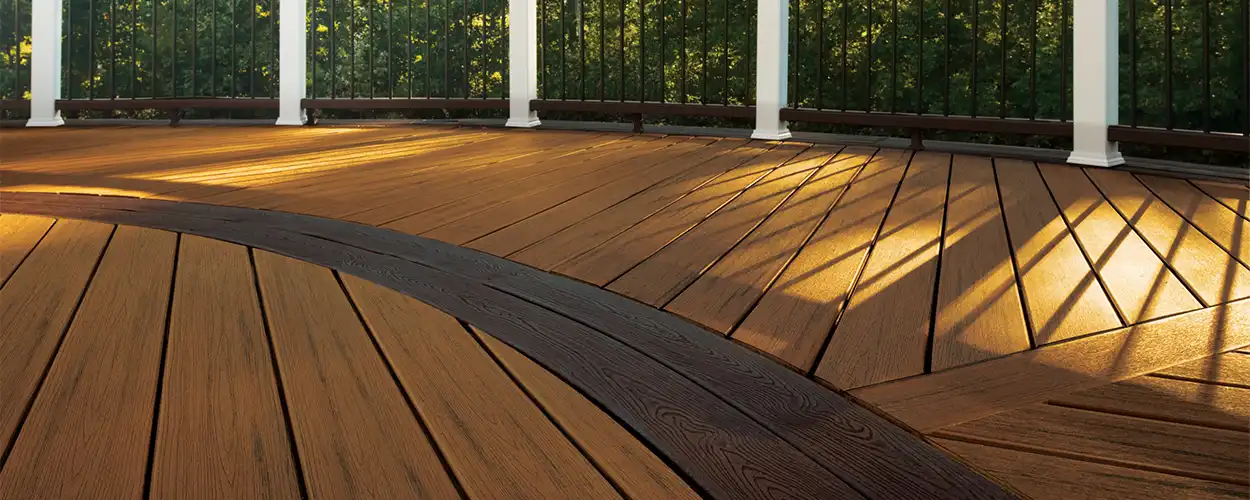
Residential Use Patios and BalconiesWPC decking is an ideal choice for patios and balconies due to its slip resistance and ability to withstand moisture. It provides a safe and attractive surface for outdoor gatherings, ensuring comfort and style. Pool DecksThe water-resistant properties of WPC make it a popular choice for pool decks. Its low maintenance nature ensures that poolside areas remain beautiful and functional, without the worry of splintering or rotting. Commercial Use Walkways and BoardwalksWPC is widely used in commercial settings for walkways and boardwalks due to its durability and resistance to heavy foot traffic. Its ability to resist fading and moisture makes it suitable for various environments, from parks to beachfront properties. Outdoor Dining AreasRestaurants and cafes often utilize WPC decking in outdoor dining areas, providing a stylish and durable surface that enhances the dining experience while requiring minimal maintenance.

Where can outdoor WPC flooring be used? Read More »

WPC DECKING co extrusion banner

Outdoor WPC Decking Guide:Introduction to WPC Decking

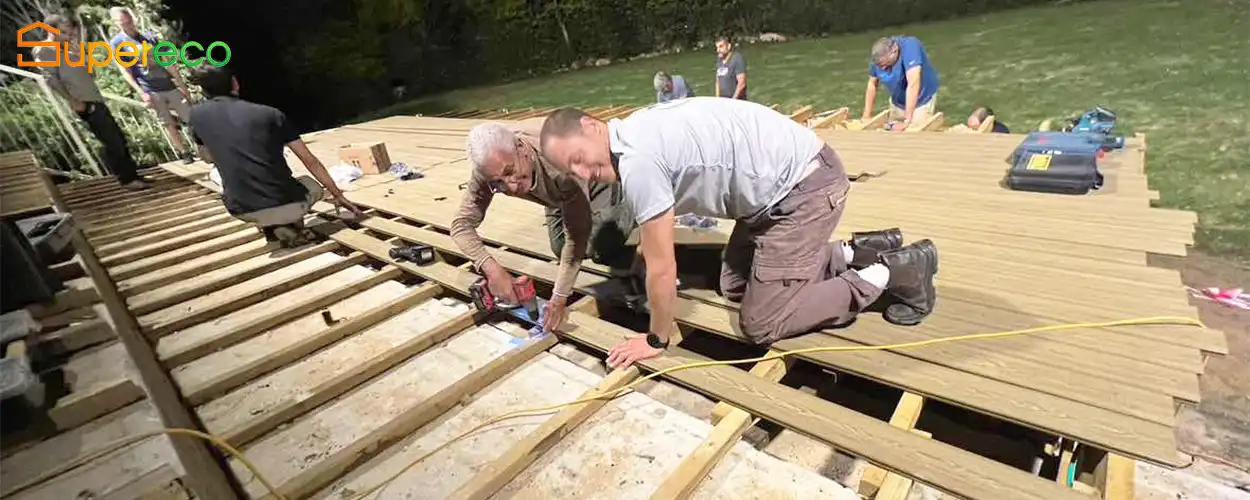
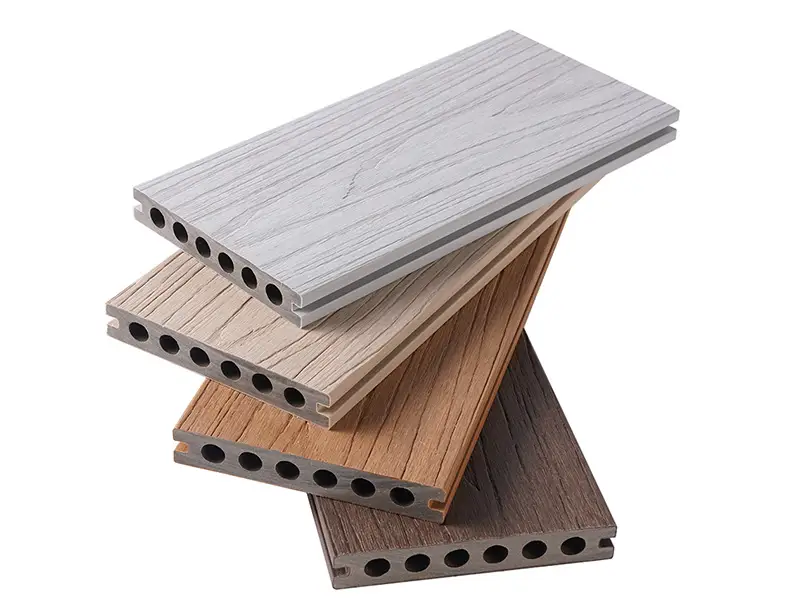
What is WPC Decking? WPC (Wood Plastic Composite) decking is a type of outdoor flooring made from a blend of wood fibers and plastic. It offers the appearance of natural wood while benefiting from the durability and low maintenance of plastic. Benefits of WPC Decking DurabilityResistant to moisture, rot, and insect damage.Longer lifespan compared to traditional wood decking.Low MaintenanceNo need for staining, sealing, or painting.Easy to clean with just soap and water.AestheticsAvailable in a variety of colors and finishes.Mimics the look of natural wood without the imperfections like knots and splinters.Eco-FriendlyMade from recycled materials, reducing environmental impact.Can be recycled at the end of its lifespan. Installation of WPC Decking PreparationEnsure a level and stable surface.Allow for proper drainage to prevent water accumulation.Tools NeededStandard woodworking tools like saws, drills, and screws.WPC-specific clips and fasteners for seamless installation.Installation ProcessStart with laying the first board and securing it with clips.Continue laying boards, leaving a small gap for expansion.Finish with edge trims and skirting for a polished look.Maintenance TipsCleaningRegularly sweep to remove debris.Use a mild detergent and water for deeper cleaning.Avoiding DamageUse furniture pads to prevent scratches.Avoid dragging heavy objects across the decking. Comparing WPC Decking to Other Materials WPC vs. Natural WoodWPC is more resistant to weather and insects.Lower maintenance requirements for WPC. WPC vs. PVC DeckingWPC offers a more natural appearance.PVC is lighter but less eco-friendly than WPC. Conclusion WPC decking is an excellent choice for those looking to enhance their outdoor spaces with a durable, low-maintenance, and aesthetically pleasing material. With its blend of practicality and beauty, WPC decking provides a long-lasting solution for patios, gardens, and other outdoor areas.

Outdoor WPC Decking Guide:Introduction to WPC Decking Read More »

WPC Fence Frequently Asked Questions

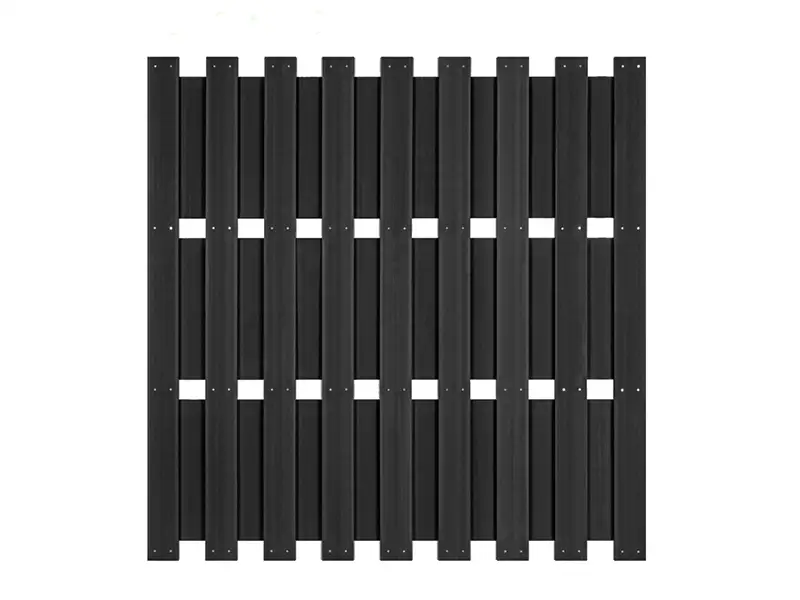
1. What is a WPC fence? A WPC fence is a type of fencing made from a blend of wood fibers and plastic materials, offering a durable, low-maintenance alternative to traditional wooden fences. 2. How long does a WPC fence last? WPC fences are designed to last for many years, often exceeding the lifespan of traditional wood fences. With proper maintenance, they can last 20-30 years or more. 3. Are WPC fences environmentally friendly? Yes, WPC fences are considered environmentally friendly as they are made from recycled materials and can be recycled at the end of their life. 4. Can I customize the design of my WPC fence? Absolutely! WPC fences are highly customizable, with a variety of styles, colors, and finishes available to suit your personal taste and complement your home’s exterior. 5. How do I maintain a WPC fence? WPC fences require minimal maintenance. Regular cleaning with water and a mild detergent is usually sufficient to keep them looking good. 6. Is a WPC fence more expensive than a wood fence? While the initial cost of a WPC fence may be higher than a wood fence, the long-term savings due to lower maintenance and greater durability can make it more cost-effective in the long run.

WPC Fence Frequently Asked Questions Read More »

Comprehensive Guide on WPC Fences for Residential Properties

1. Introduction to WPC Fences WPC (Wood-Plastic Composite) fences have become increasingly popular among homeowners looking to enhance the privacy, security, and aesthetic appeal of their properties. These fences are made from a combination of wood fibers and plastic, providing a durable, low-maintenance, and environmentally friendly alternative to traditional wooden fences. Ideal for enclosing yards, gardens, and pool areas, WPC fences offer both functionality and style, allowing you to create a boundary that reflects your personal taste and complements your home’s exterior. 2. History and Evolution of WPC Fences The concept of Wood-Plastic Composite (WPC) materials emerged as a response to the demand for more sustainable building products. Initially developed in the late 20th century, WPC materials have since evolved significantly. Early versions of WPC were primarily used for decking, but advances in technology and materials have expanded their application to include fencing, siding, and more. Over the years, improvements in the quality, appearance, and durability of WPC products have made them a preferred choice for many homeowners. 3. Materials Used in WPC Fences WPC fences are constructed from a blend of wood fibers, such as sawdust or wood chips, and thermoplastic materials like polyethylene, polypropylene, or polyvinyl chloride (PVC). This combination results in a product that retains the natural look and feel of wood while benefiting from the resilience and longevity of plastic. The specific ratio of wood to plastic, as well as the type of plastic used, can vary, leading to differences in the appearance, strength, and durability of the final product. 4. Benefits of WPC Fences One of the main reasons for the growing popularity of WPC fences is their impressive list of benefits. WPC fences are highly durable, withstanding the elements better than traditional wood fences. They are resistant to rot, insects, and weathering, which means they require far less maintenance. Additionally, WPC fences do not warp, crack, or splinter, ensuring a long-lasting and aesthetically pleasing boundary for your property. Their low maintenance requirements make them a cost-effective choice over time, as they do not need to be painted, stained, or treated regularly. 5. Environmental Impact of WPC Fences WPC materials are often promoted as an environmentally friendly option due to their sustainability and recyclability. Many WPC products are made from recycled wood and plastic, reducing the need for virgin materials and minimizing waste. Moreover, WPC fences can be recycled at the end of their life, contributing to a circular economy. Their longevity also means that they need to be replaced less frequently than traditional wood fences, further reducing their environmental footprint.

Comprehensive Guide on WPC Fences for Residential Properties Read More »

The details of WPC Wall Panels

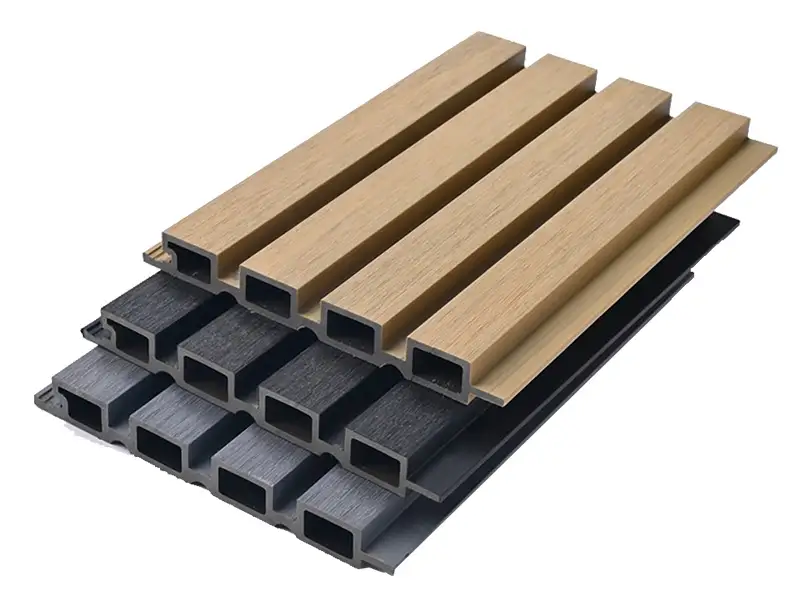
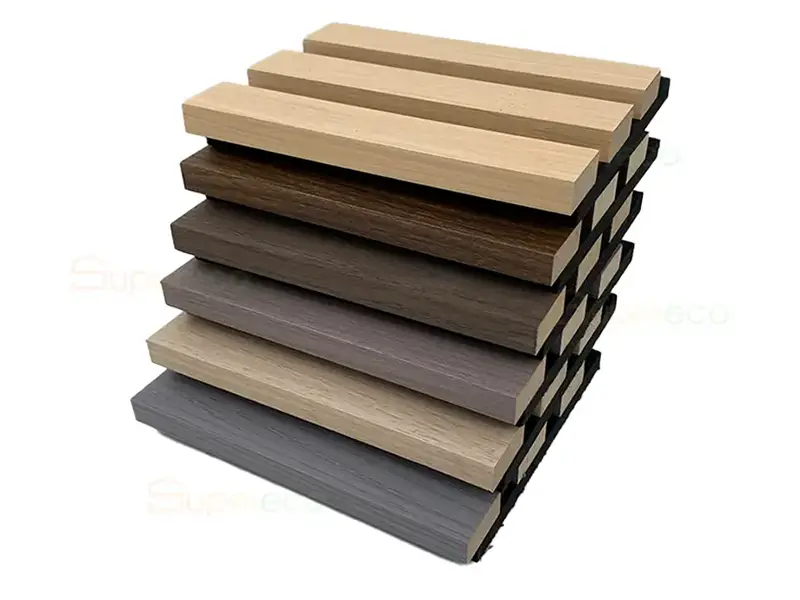
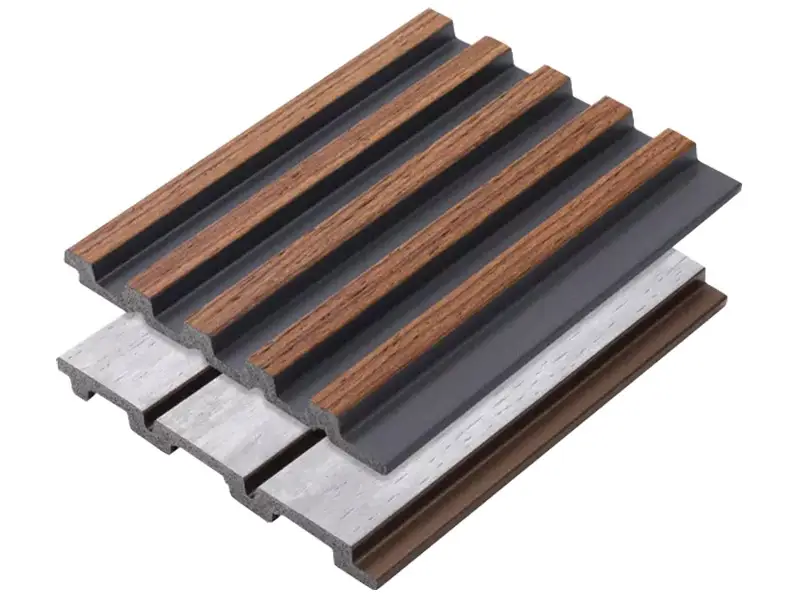
In recent years, WPC wall panels have gained immense popularity worldwide due to their unique composition and numerous advantages. These panels are 100% waterproof, anti-corrosion, and moisture-proof, closely resembling solid wood. This article delves into the details of WPC wall panels, highlighting their features, benefits, and applications.   What is WPC Wall Panel? WPC, or Wood Plastic Composite, wall panels are an innovative product that blends the best qualities of wood and plastic. These panels are designed to offer the aesthetic appeal of wood while providing enhanced durability and resistance to environmental factors.   Advantages of WPC Wall Panels Waterproof and Moisture-Proof: One of the standout features of WPC wall panels is their ability to resist water and moisture. This makes them ideal for use in humid environments where traditional wood panels would warp or rot. Anti-Corrosion: The anti-corrosive properties of WPC panels ensure they remain intact and maintain their appearance over time, even when exposed to harsh weather conditions. Durability: These panels are incredibly durable, offering long-term solutions for both interior and exterior wall cladding. WPC Wall Panel vs. Traditional Wall Panels Traditional wall panels, typically made from wood or other materials, lack the resilience and low maintenance features of WPC panels. The unique co-extruded plastic shell of WPC panels offers superior protection and longevity. Material Composition of WPC Wall Panels WPC wall panels are composed of a co-extruded plastic shell and a core made of wood plastic composite. This combination ensures a high level of durability, making them suitable for various applications.  

The details of WPC Wall Panels Read More »

DIY WPC Tile: A Versatile and Stylish Solution for Outdoor Spaces

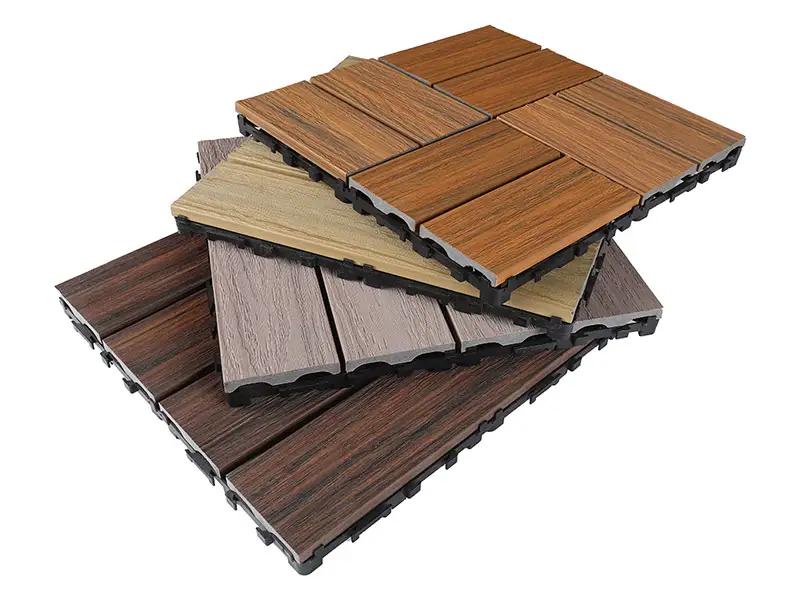
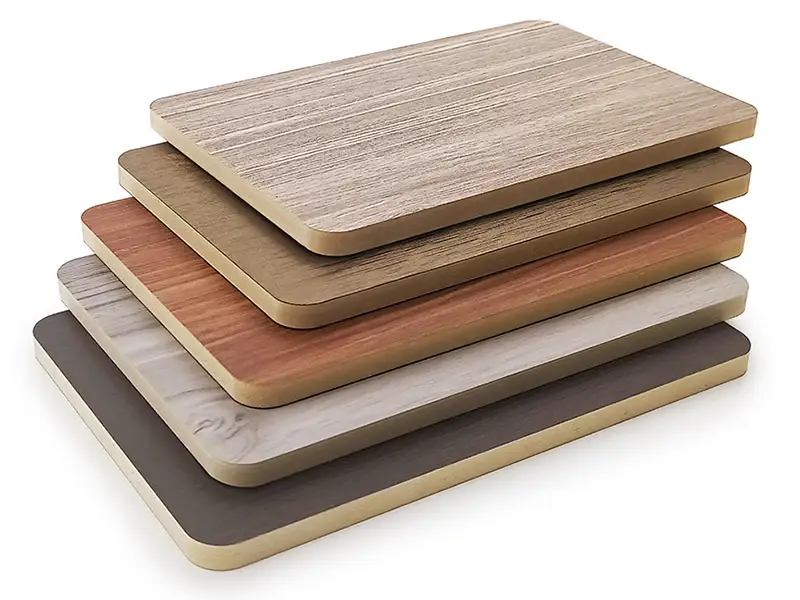
Lorem ipsum dolor sit amet, consectetur adipiscing elit. Ut elit tellus, luctus nec ullamcorper mattis, pulvinar dapibus leo. DIY Wood Plastic Composite (WPC) tiles are an excellent choice for enhancing the aesthetics and functionality of various outdoor areas. These tiles are used in balconies, in front of houses, kindergartens, shops, and more. With a rich palette of 28 colors and the ability to create diverse styles, DIY WPC tiles offer a customizable and attractive solution for any outdoor space. Below, we explore the benefits, features, applications, and considerations of DIY WPC tiles to help you make an informed decision. Benefits and Features of DIY WPC Tile 1. Rich Color Selection Wide Palette: Available in 28 colors, allowing you to choose the perfect shade to match your exterior decor.Customizable Designs: Mix and match colors to create unique patterns and designs. 2. Versatile Styles Diverse Patterns: The tiles can be arranged in various styles, from classic to contemporary, giving you the freedom to design your space as you wish.Creative Flexibility: Easy to install and rearrange, enabling you to update your design whenever desired. 3. Durable Construction Robust Assembly: Assembled by automatic machinery, ensuring precision and consistency in each tile.Firm Screws: Enhanced with strong screws for greater stability and durability.Edge Treatment: Perfect edge treatments provide a more polished and attractive finish. 4. Complete Product Support Comprehensive Accessories: Includes all necessary accessories and components for a seamless installation.User-Friendly Installation: Designed for easy DIY installation, making it accessible for anyone to install without professional help. Applications of DIY WPC Tile 1. Balconies Outdoor Living Spaces: Transforms balconies into stylish and comfortable outdoor living areas.Weather Resistance: Withstands exposure to the elements, ensuring long-lasting beauty and functionality. 2. In Front of Houses Curb Appeal: Enhances the entrance of homes, creating an inviting and aesthetically pleasing look.Functional Flooring: Provides a durable and slip-resistant surface for pathways and patios. 3. Kindergartens Safe Play Areas: Creates safe and colorful play areas for children, combining aesthetic appeal with practicality.Easy Maintenance: Simple to clean and maintain, ideal for high-traffic areas frequented by children. 4. Shops and Commercial Spaces Attractive Displays: Enhances the exterior of shops, attracting customers with its appealing and professional look.Durability: Withstands heavy foot traffic, making it suitable for commercial use. Considerations for Choosing DIY WPC Tile 1. Installation Area Surface Preparation: Ensure the installation surface is clean, dry, and level for the best results.Usage Requirements: Consider the specific requirements of the area where the tiles will be installed, such as load-bearing capacity and exposure to weather. 2. Design Preferences Color Coordination: Choose colors that complement your existing outdoor decor and desired aesthetic.Pattern Selection: Plan the layout and pattern to achieve the desired look and functionality. 3. Maintenance Needs Cleaning Routine: Regularly clean the tiles with water and mild soap to maintain their appearance.Inspection: Periodically inspect the tiles and screws to ensure they remain secure and in good condition. 4. Budget Cost Considerations: Balance the cost of the tiles with your budget, considering both initial investment and long-term benefits.Value for Money: Evaluate the durability and aesthetic benefits to ensure you get the best value for your investment.

DIY WPC Tile: A Versatile and Stylish Solution for Outdoor Spaces Read More »

Enhancing Your Outdoor Space with Wood Plastic Composite (WPC) Fences

When it comes to enhancing the aesthetics and functionality of your outdoor space, a well-designed fence plays a crucial role. Wood Plastic Composite (WPC) fences have emerged as a popular choice due to their blend of natural beauty, durability, and low maintenance. In this article, we will explore the benefits and features of WPC fences, along with their applications and considerations, helping you make an informed decision for your outdoor fencing needs. Benefits and Features of WPC Fences 1. Durability Weather Resistance: WPC fences are highly resistant to various weather conditions, including rain, snow, and UV rays. This ensures they maintain their appearance and structural integrity over time.Pest Resistance: Unlike traditional wood fences, WPC fences are not susceptible to termite damage or rot, making them a long-lasting option. 2. Low Maintenance Easy Cleaning: WPC fences require minimal maintenance. A simple wash with water and mild soap is sufficient to keep them looking new.No Painting or Staining: The color and finish of WPC fences are built into the material, eliminating the need for periodic painting or staining. 3. Aesthetic Appeal Natural Look: WPC fences mimic the appearance of natural wood, providing a warm and inviting look to any outdoor space.Variety of Designs: Available in a range of colors, textures, and styles, WPC fences can complement various landscape designs and architectural styles. 4. Environmental Benefits Sustainable Material: WPC is made from a combination of recycled wood fibers and plastic, making it an eco-friendly choice.Reduced Waste: The manufacturing process of WPC utilizes recycled materials, contributing to waste reduction and environmental conservation. Applications of WPC Fences 1. Residential Properties Privacy Fencing: Ideal for creating private outdoor spaces in backyards and gardens, WPC fences provide an attractive barrier that enhances privacy.Boundary Fencing: Defines property lines while adding aesthetic value to the home’s exterior. 2. Commercial Spaces Security Fencing: Used in commercial properties to secure the perimeter and protect assets.Decorative Fencing: Enhances the visual appeal of commercial landscapes, including office parks and retail centers. 3. Public Areas Parks and Recreational Areas: Provides safe and attractive boundaries in parks, playgrounds, and other public spaces.Community Gardens: Defines garden plots and pathways, contributing to an organized and appealing community space. Considerations for Choosing WPC Fences 1. Cost Initial Investment: While WPC fences may have a higher upfront cost compared to traditional wood fences, their long-term durability and low maintenance requirements can result in cost savings over time. 2. Installation Professional vs. DIY: WPC fences are relatively easy to install, but professional installation ensures proper alignment and stability, especially for larger projects. 3. Design and Style Compatibility: Choose a design that complements your home’s exterior and landscape. Consider factors such as color, texture, and height to ensure the fence meets your aesthetic and functional needs. 4. Local Regulations Building Codes: Check local building codes and regulations before installing a WPC fence to ensure compliance with height restrictions and property line setbacks. Conclusion Wood Plastic Composite (WPC) fences offer a perfect blend of natural beauty, durability, and low maintenance, making them an excellent choice for enhancing the aesthetics and functionality of your outdoor space. Whether for residential, commercial, or public applications, WPC fences provide a long-lasting and eco-friendly solution. By considering factors such as cost, installation, design, and local regulations, you can make an informed decision that meets your specific fencing needs and enhances your outdoor environment.

Enhancing Your Outdoor Space with Wood Plastic Composite (WPC) Fences Read More »

Overview of Traditional Wood Plastic Composite (WPC) Deck Flooring

Traditional Wood Plastic Composite (WPC) deck flooring is a popular and budget-friendly option in the realm of outdoor flooring solutions. Despite being the most basic product in the WPC category, it offers several advantages and a wide range of applications. Key Characteristics Affordability: The most notable feature of traditional WPC deck flooring is its cost-effectiveness. It is an ideal choice for projects with tight budgets.Customization: Available in various specifications and colors, allowing for flexibility in design to match different aesthetic preferences.Wide Range of Use: Suitable for diverse outdoor applications, making it a versatile choice for many environments.Basic Durability: While it offers decent durability, it does not match the longevity and performance of second-generation and higher-end WPC products.Applications of Traditional WPC Deck Flooring 1. Residential Decking Applications: Backyard Decks: Provides an affordable solution for homeowners looking to create a comfortable outdoor space.Garden Paths: Suitable for creating walkways and paths in gardens and backyards.Patio Flooring: An excellent choice for covering patio areas. Functions: Aesthetic Enhancement: Adds a visually appealing element to residential outdoor spaces.Easy Installation: Simple to install, making it a good choice for DIY projects.Comfort: Provides a smooth and splinter-free surface for walking barefoot. 2. Commercial Spaces Applications: Outdoor Seating Areas: Used in cafes, restaurants, and other commercial spaces to create inviting outdoor seating areas.Temporary Installations: Ideal for temporary setups at events, exhibitions, and trade shows. Functions: Cost-Effective: Helps businesses manage costs while providing a functional and attractive outdoor space.Customizable: Can be tailored to match the branding and aesthetic requirements of different commercial entities.Quick Setup: Facilitates rapid installation and removal, making it suitable for temporary or seasonal use. 3. Public Parks and Recreational Areas Applications: Walkways and Paths: Used to create safe and comfortable walkways in parks and recreational areas.Rest Areas: Provides a sturdy flooring solution for rest areas and picnic spots. Functions: Safety: Offers a slip-resistant surface, enhancing safety for park visitors.Durability: Withstands moderate foot traffic and outdoor elements.Aesthetic Appeal: Enhances the visual appeal of public spaces with its customizable colors and designs. 4. Pool Surrounds Applications: Pool Decks: Used around swimming pools to create a comfortable and safe walking surface. Functions: Water Resistance: Resistant to water, reducing the risk of damage and warping.Slip Resistance: Provides a safer surface for walking around pools, reducing the risk of slips and falls.Comfort: Remains comfortable to walk on, even in direct sunlight. Summary Traditional WPC deck flooring is a practical and economical choice for a variety of outdoor applications. While it does not offer the extended service life and advanced features of higher-end WPC products, its affordability, customization options, and versatility make it an excellent option for those with low-cost requirements. Whether for residential, commercial, or public use, traditional WPC deck flooring provides a functional and aesthetically pleasing solution for many outdoor projects.

Overview of Traditional Wood Plastic Composite (WPC) Deck Flooring Read More »

WPC Outdoor Wall Panel

How does WPC outdoor wall cladding contribute to the aesthetics of a home?

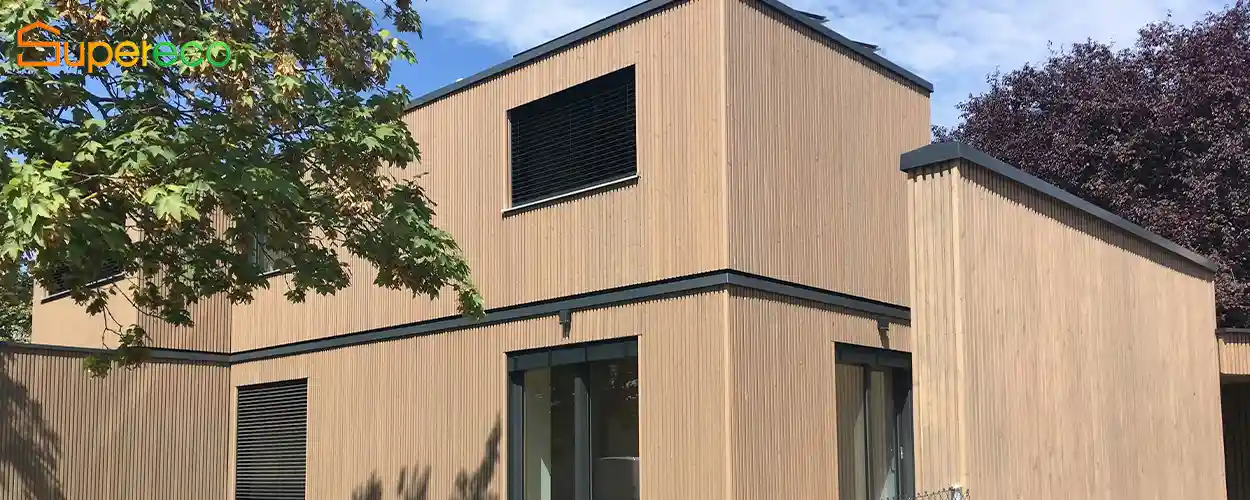
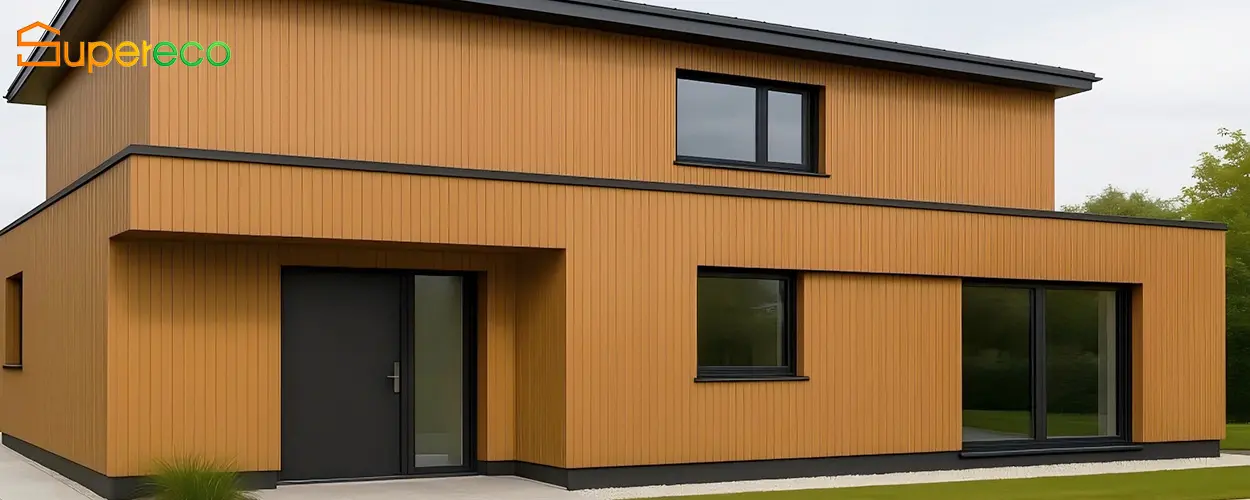
WPC (Wood Plastic Composite) outdoor wall panel significantly enhances the aesthetics of a home in several ways. Here’s a detailed look at how WPC cladding contributes to the visual appeal and overall design of residential properties:   1. Modern and Sleek Appearance WPC outdoor wall cladding offers a modern and sleek appearance that can instantly uplift the look of any home. The clean lines and smooth finishes of WPC panels provide a contemporary aesthetic that is both stylish and timeless.   2. Variety of Designs and Textures One of the standout features of WPC cladding is the wide range of designs and textures available. Whether you prefer a natural wood look, a stone-like finish, or a unique pattern, WPC panels can be customized to match your desired aesthetic. This versatility allows homeowners to achieve a personalized and distinctive exterior design.   3. Color Retention and UV Resistance WPC cladding is designed to retain its color over time, thanks to its UV-resistant properties. Unlike traditional wood, which can fade and discolor under prolonged sun exposure, WPC panels maintain their vibrant hues, ensuring your home’s exterior remains attractive and visually appealing for years to come. 4. Consistency and Uniformity With WPC panels, you can achieve a consistent and uniform look for your home’s exterior. The panels are manufactured to precise specifications, ensuring a seamless and cohesive appearance. This uniformity adds to the overall aesthetic appeal and provides a polished and professional finish.   5. Enhanced Architectural Features WPC cladding can be used to highlight and enhance the architectural features of a home. Whether it’s accentuating windows, doors, or specific sections of the facade, outdoor WPC panels can be strategically placed to draw attention to these elements, adding depth and character to the exterior design. 6. Eco-Friendly and Sustainable Appeal Beyond its visual appeal, WPC cladding also conveys an eco-friendly and sustainable message. Made from recycled materials, WPC panels reflect a commitment to environmental responsibility. This green aspect can be an attractive feature for homeowners who value sustainability and wish to showcase it through their home design. 7. Low Maintenance and Longevity The low maintenance requirements of WPC cladding contribute to its aesthetic appeal. With minimal effort needed to keep the panels looking pristine, homeowners can enjoy a beautiful exterior without the hassle of regular upkeep. The durability and longevity of WPC also mean that the aesthetic benefits are long-lasting, providing value over time. Summary In summary, the WPC outdoor wall panel enhances the aesthetics of a home through its modern appearance, variety of designs and textures, color retention, consistency, and ability to highlight architectural features. Its eco-friendly nature and low maintenance further add to its appeal, making it an excellent choice for homeowners looking to elevate their home’s exterior design.

How does WPC outdoor wall cladding contribute to the aesthetics of a home? Read More »

What are the advantages of WPC Wall Pance?

WPC Wall Panel is a common wooden fence. What are its advantages that make it popular? 1. A tough and durable shell Made from tough, durable materials, these panels are not susceptible to the same kind of degradation you see in ordinary wood. That means they don’t rot. No need to worry about your beautiful exterior decaying or looking drab. Also, this tough cladding is virtually impervious to insect attacks. Let them do their worst. You’ll have years of hassle-free use. 2. Resists the elements Over a number of years, the wood starts to break up and splinter, which ruins the look and texture of cladding. The harsh rays of the sun and the extreme cold cause expansion and contraction, which warps the original shape of the panels.The benefit of composite cladding is it does not suffer from this type of disintegration. On the contrary, composite panels—a blend of wood and plastic—are resistant to the elements. No matter what the weather conditions, they remain perfectly intact. Water can’t seep inside and wreak havoc nor can UV rays dull the color and destroy the aesthetic. 3. Natural, woodgrain finish Given the wide range of textures and designs available, you can always find a panel to suit your needs. There’s no need to sacrifice a natural look. Composite panels come in a variety of finishes, including woodgrains of all types. They also come in many colors so you can blend in with your existing decor and achieve virtually any look you can imagine. 4. Increases the value of your home Composite wall cladding can have a positive impact on the resale value of your home. When you have a long-lasting, protective exterior, you instantly make a positive impression on potential buyers. It offers peace of mind. Anyone interested in the home can be confident in its integrity and longevity. 5. Easy to fit And, if you think that fitting composite wall cladding will mean major upheaval for you and your family, think again. Thanks to the ‘jigsaw’ design, the panels are easy to fit with minimal disruption to your home life. The joints are designed to slot easily into place without the need for heavy equipment or major works. You won’t need to vacate your home and you’ll most likely remain blissfully unaware that anything is going on. Do you want to spruce up your home and improve its tired, dowdy exterior? Maybe you want to add value to your prized possession—your home. Rest assured that composite cladding is a wise investment. It will add years of protection, enjoyment, and aesthetic appeal to your ho

What are the advantages of WPC Wall Pance? Read More »

Scroll to Top