Composite Decking

How to install WPC Decking

How to Install WPC Decking?7 Best Steps to Perfectly

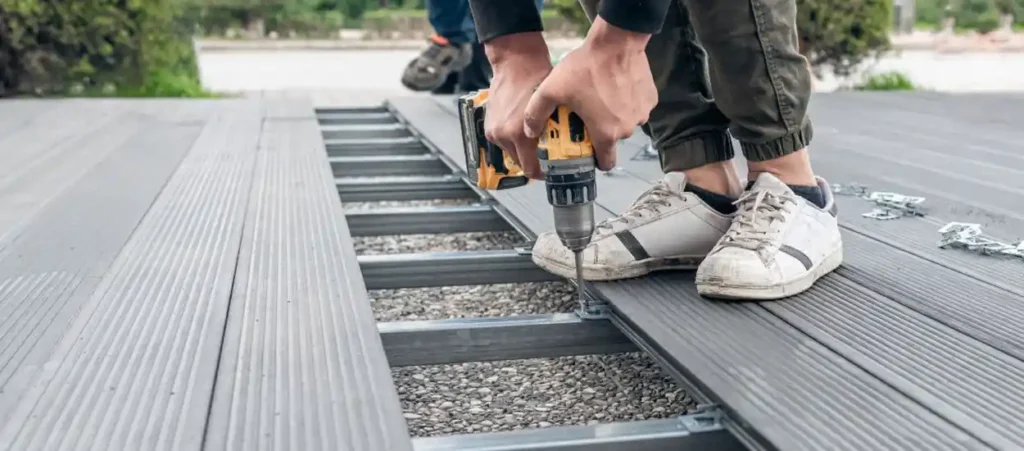
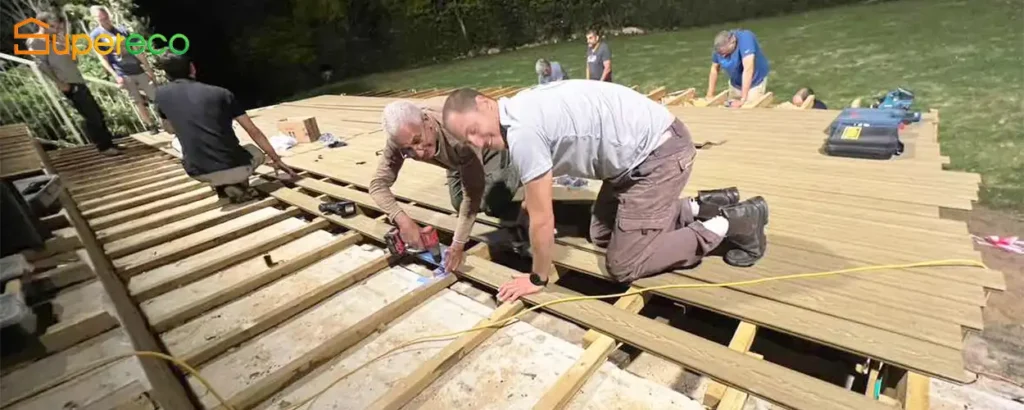
Table of Contents Installing composite decking seems simple at first glance, but doing it the right way ensures your deck stays stable, attractive, and long-lasting. In this guide, we’ll walk you through How to install WPC Decking using practical steps that feel natural and easy to follow, even if you’re new to decking projects. Understanding WPC Decking What Is WPC Decking? WPC decking, short for Wood Plastic Composite decking, is a modern outdoor flooring material made by blending recycled wood fibers and plastic. This mix results in a strong, durable, and weather-resistant board that looks like wood but performs much better in outdoor environments. Because of its low maintenance and long lifespan, WPC decking has become a top choice for homeowners looking to update patios, terraces, and garden walkways. Advantages of WPC Decking One of the biggest perks of WPC decking is that it doesn’t warp, crack, or fade easily. It’s also splinter-free, which makes it comfortable for children and pets. Unlike traditional wood decking, you won’t need to sand, stain, or paint it every year. Just basic cleaning is enough to keep it looking fresh. Plus, since it’s made from recycled materials, it offers an eco-friendly alternative to hardwood decks. Tools & Materials You Need for Installation Basic Tools Checklist Before you start installing, gather the following tools: Measuring tape Pencil or chalk for marking Spirit level Screwdriver or drill Rubber mallet Handsaw or circular saw These basics make the whole process faster and more accurate. Required Installation Accessories You’ll also need standard WPC installation accessories: Plastic or stainless steel clips Starter clips Joists (wood, metal, or composite) Fixing screws Edge trims Choosing good-quality clips and joists is key to ensuring long-term deck stability. Preparing the Ground Before Installation Assessing the Installation Area Start by clearing the area where you plan to build your deck. Remove grass, stones, or old flooring. Make sure the ground is level. A stable and flat base helps prevent future issues like board movement or uneven surfaces. Choosing the Right Base Most WPC decking can be installed on: Concrete slabs Adjustable pedestals Metal or composite substructures Whichever base you choose, make sure there’s proper drainage. Standing water under decking is a common cause of long-term problems. Step-by-Step Guide on How to Install WPC Decking Step 1 — Plan the Deck Layout Start by measuring your outdoor space. Decide the direction of the boards, usually parallel to the house for a cleaner look. Mark the layout lines using chalk. This planning step helps avoid cutting errors and reduces waste. Step 2 — Install the Joist Structure Set your joists according to the manufacturer’s recommended spacing—usually 30–35 cm apart. Use a level to ensure everything is even. Uneven joists will affect the appearance and stability of the decking boards. Step 3 — Start Installing the First Deck Board Use starter clips to secure the first board. This board is important because it sets the direction and alignment for the rest of the deck. Take your time to get it straight. Step 4 — Secure Boards with Hidden Clips Slide clips into each groove and tighten them with screws. This creates uniform spacing and a clean, screw-free surface. Continue this process until all boards are installed. Step 5 — Install Edge Trims & Final Touches Finish by adding fascia boards or edge trims. These give your deck a polished look and hide any exposed sides. Check all screws one last time to make sure everything is secure. Common Installation Mistakes to Avoid Incorrect Joist Spacing If joists are too far apart, the boards may sag over time. Always follow manufacturer spacing rules. Poor Ventilation Below Decking WPC decking needs airflow underneath. Without ventilation, moisture can build up and shorten the lifespan of the deck. FAQs About How to Install WPC Decking Do I need a concrete base for WPC decking?No, but you do need a flat and stable base. Adjustable pedestals or a metal frame also work well. Can WPC decking be installed directly on the ground?It’s not recommended because ground moisture can damage the joists over time. What spacing should I keep between boards?Most manufacturers recommend 5–7 mm for expansion and ventilation. How long does it take to install WPC decking?For a small patio, most DIY users finish in one to two days. Is WPC decking waterproof?It’s water-resistant, but proper drainage underneath is still important. Can I cut WPC boards like wood?Yes. A standard handsaw or circular saw works fine. Conclusion Learning How to install WPC Decking isn’t as complicated as it may seem. With the right tools, proper planning, and a steady approach, you can build a strong and beautiful deck that lasts for years. Take your time, avoid common mistakes, and enjoy the rewarding experience of building your own outdoor space. Related Articles Recommended Products WPC DECKING Co-extrusion WPC DECKING Traditional

How to Install WPC Decking?7 Best Steps to Perfectly Read More »
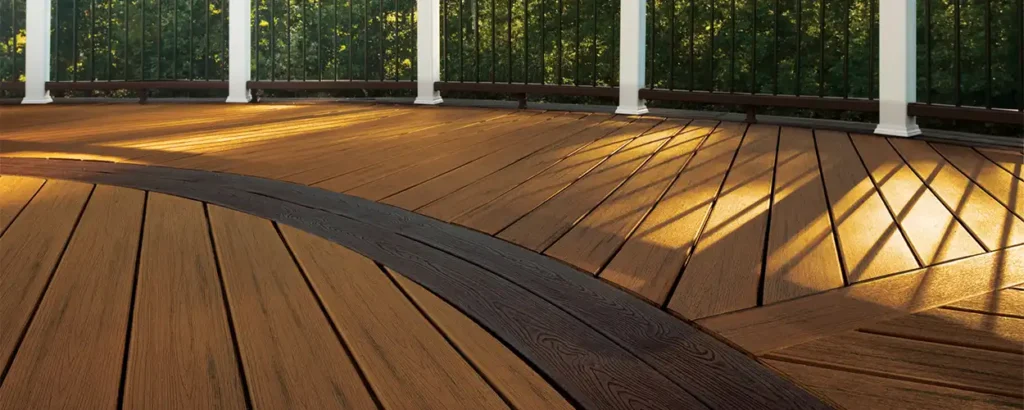
WPC Decking - The Foundation of Outdoor Living

Comparing WPC Decking, Fencing & Wall Panels: What are the Uses & Benefits?

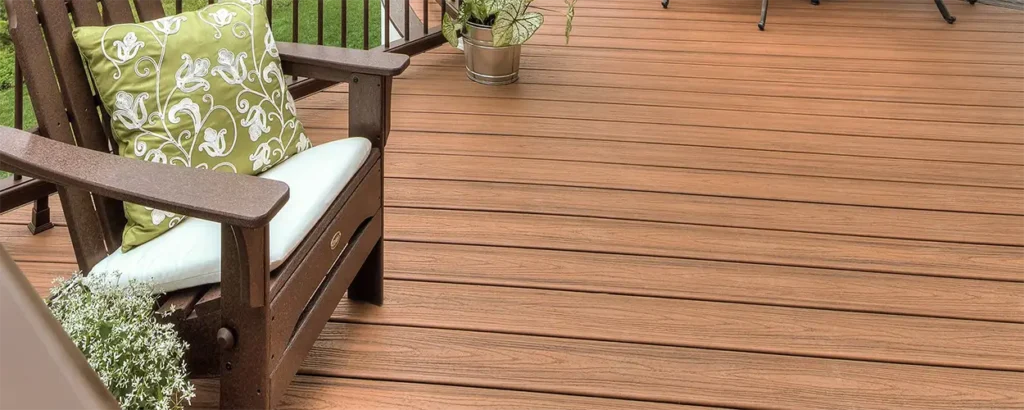
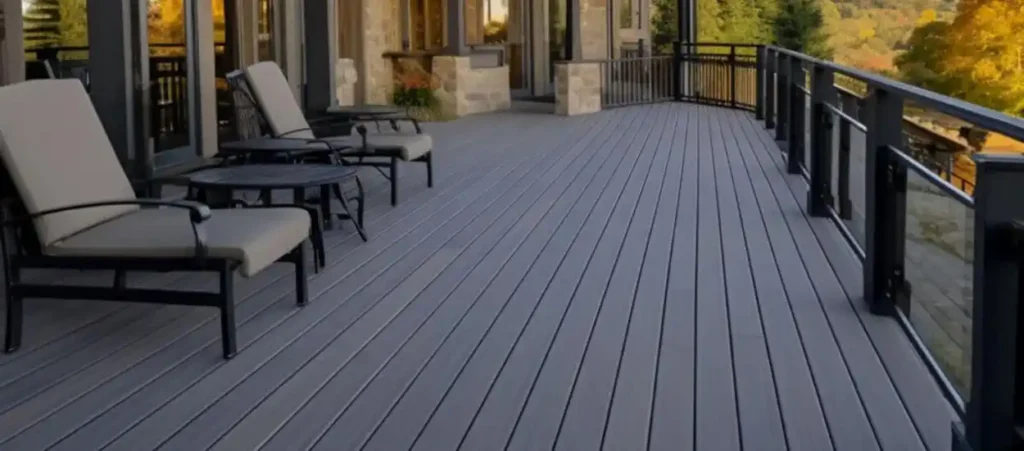
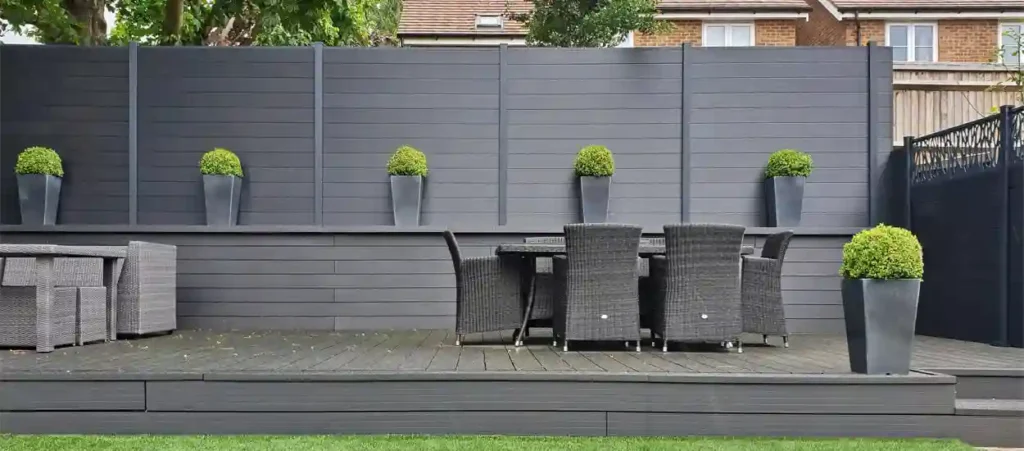
WPC (Wood-Plastic Composite) has revolutionized outdoor and interior design, offering a superior alternative to traditional wood, vinyl, and metal. But with products like decking, fencing, and wall panels available, how do you know which is right for your project? While they share core benefits like durability, low maintenance, and eco-friendliness, each is engineered for a specific purpose. This guide breaks down the uses, benefits, and key differences to help you make an informed decision. 1. The Core Benefits They All Share Before diving into their differences, it’s crucial to understand the universal advantages that make WPC a standout material:Low Maintenance: No annual staining, sealing, or painting. A simple clean with soap and water is all they need.Durability: Highly resistant to rot, mold, termites, and moisture, ensuring a long lifespan.Weather & UV Resistant: Specially formulated to withstand sun, rain, and extreme temperatures without warping or fading.Eco-Friendly: Made from a blend of recycled wood fibers and plastics, reducing waste and deforestation.Aesthetic Appeal: Offers the beautiful, natural look of wood without any of the drawbacks. 2. WPC Decking: The Foundation of Outdoor Living WPC decking is designed to be walked on. It’s engineered for structural strength, slip resistance, and comfort underfoot. Primary Use: Creating outdoor flooring surfaces like patios, pool decks, balconies, and rooftop terraces. Key Features: Thicker Profile: Typically 25-35mm thick to provide a sturdy, stable walking surface. Textured Surface: Often has an embossed wood grain or non-slip texture for safety, especially when wet. Hidden Fastening Systems: Many systems use concealed clips for a clean, seamless look with no visible screws. Ideal For: Homeowners who want a beautiful, splinter-free outdoor living room that requires minimal upkeep. 3. WPC Fencing: Privacy, Security, and Style WPC fencing is engineered for privacy, wind resistance, and perimeter definition. It stands upright and is built to withstand lateral forces. Primary Use: Creating private, secure boundaries for yards, gardens, pools, and commercial properties. Key Features: Structural Posts: Requires sturdy posts set in concrete to ensure stability and longevity. Panel Design: Often comes in pre-assembled panels for easier installation or as individual boards for a custom look (e.g., board-on-board for full privacy). Varied Heights: Available in different heights (typically 4-6 feet) to meet privacy and local code requirements. Ideal For: Anyone seeking a durable, no-maintenance alternative to a wooden fence that offers complete privacy and enhances curb appeal. 4. WPC Wall Panels: The Versatile Cladding Solution WPC wall panels (or SWPC panels) are designed for vertical cladding on both interiors and exteriors. They are about aesthetics and protection for walls. Primary Use: Enhancing exterior facades, creating accent walls indoors, covering balcony perimeters, and providing waterproof cladding in wet areas like bathrooms. Key Features: Thinner Profile: Generally thinner (8-20mm) than decking boards as they don’t need to support foot traffic. Diverse Finishes: Available in a huge range of styles, from realistic wood grain to smooth, modern finishes. Lightweight & Easy to Install: Easier to handle and cut than many traditional cladding materials, often attaching directly to battens. Ideal For: Modernizing a home’s exterior, creating a feature wall without drywall, or adding a waterproof surface to bathrooms and kitchens. 5. Can You Mix and Match? Creating a Cohesive Outdoor Oasis Absolutely! One of the greatest advantages of WPC is the ability to create a unified design language across your entire property. The Perfect Combo: Use WPC decking for your patio, WPC fencing for privacy around the perimeter, and WPC wall panels to clad a nearby exterior wall or garden shed. Design Tip: Choose the same color across all three products (e.g., a modern grey or warm brown) to create a seamless, professionally designed outdoor environment that flows together beautifully. 6. How to Choose the Right Product for Your Project Use this simple checklist to guide your decision: For a horizontal surface you walk on (ground-level or elevated): Choose WPC Decking. For a vertical structure to define a boundary or create privacy: Choose WPC Fencing. For a vertical surface on a building (interior or exterior) for aesthetics and protection: Choose WPC Wall Panels. Ready to transform your space? Explore our collections to find the perfect WPC decking, fencing, and wall panels to bring your vision to life.

Comparing WPC Decking, Fencing & Wall Panels: What are the Uses & Benefits? Read More »

How to Maintain Your Composite Decking for Longevity

How to Maintain Your Composite Decking for Longevity?

Composite decking is renowned for its durability and low-maintenance qualities compared to traditional wood. However, “low-maintenance” doesn’t mean “no-maintenance.” Proper care is essential to preserve its beauty and extend its lifespan for decades. This ultimate guide will walk you through the simple steps to keep your composite deck looking as good as new year after year. 1. Routine Cleaning: The Key to Daily Beauty The single most important thing you can do for your composite deck is to perform regular, routine cleaning. This prevents the buildup of dirt, grime, and organic matter that can lead to stains or mold over time. Weekly/Bi-Weekly: Use a soft-bristle broom or a leaf blower to remove loose debris like dirt, leaves, and pollen. Monthly Rinse: For general upkeep, a thorough rinse with a garden hose is often sufficient to wash away accumulated dust and dirt. Spot Cleaning: Address spills like food, drinks, or grease immediately with a damp cloth and a mild soap solution. Prompt action prevents most potential stains. Pro Tip: Place breathable mats under planters and use protective pads under furniture legs to prevent scratches and moisture traps. 2. Seasonal Deep Cleaning: Restoring Your Deck’s Finish Even with regular sweeping, your deck will benefit from a deep clean once or twice a year, ideally in the spring and fall. Clear the Deck: Remove all furniture, grills, planters, and other items. Pre-Rinse: Use your garden hose to wet the deck and loosen surface dirt. Apply Cleaner: Use a composite deck-specific cleaner. Avoid harsh chemicals, bleach, or abrasive cleaners, which can damage the deck’s surface. Apply with a soft brush or a low-pressure sprayer. Scrub Gently: Agitate the cleaner with a soft-bristle brush (nylon or poly) on a long handle. Focus on areas with visible stains or mildew. Rinse Thoroughly: Rinse off all cleaner residue completely with a garden hose. Leaving cleaner on the surface can cause streaking or film. Let it Dry: Allow the deck to air dry completely before replacing furniture. Warning: Avoid using high-pressure washers. If you must use one, keep the pressure below 1,500 PSI, use a 40-degree fan tip, and hold the nozzle at least 12 inches from the deck surface to avoid etching and damaging the cap layer. 3. Preventing Damage and Addressing Common Issues Protecting your deck from potential harm is easier than repairing it. Here’s how to handle common threats and issues. Mold and Mildew: While resistant, mold can grow in damp, shaded areas. For light mildew, a solution of white vinegar and water (1:1) can be effective. For tougher cases, always use a composite deck cleaner formulated to kill organic growth without damaging the material. Tough Stains: For stubborn stains like grease or berry juice, create a paste using baking soda and water. Apply it to the stain, let it sit for a few minutes, then scrub gently and rinse. Scratches: While durable, composite decks can be scratched. Prevent them by not dragging heavy objects across the surface. Most light surface scratches will blend in over time with exposure to the sun. Snow Removal: Use a plastic shovel instead of metal, and push—don’t scrape—the snow off. Avoid using ice melt products, as the chemicals can be corrosive. Maintaining your composite deck is straightforward and requires minimal time and effort. By incorporating regular sweeping, occasional deep cleaning, and taking simple preventative measures, you can ensure your deck remains a beautiful, welcoming, and valuable part of your home for its entire 25+ year lifespan.Investing a little time in care now will save you from costly repairs or replacements later, protecting your outdoor investment for years to come.

How to Maintain Your Composite Decking for Longevity? Read More »

Comparing WPC Decking Fencing & Wall Panels Uses & Benefits

Comparing WPC Decking, Fencing & Wall Panels: Uses & Benefits

What Is WPC and How Does It Compare Across Applications? Wood Plastic Composite (WPC) blends wood fibers or flour with thermoplastics such as polyethylene or polypropylene.It’s commonly used for decking, fencing, and wall panels due to its durability, low maintenance, and ability to mimic natural wood.WPC Decking: Engineered for outdoor flooring. It’s weather-resistant, slip-resistant, resists rot and insects, and typically lasts 20–30+ years HOSUNG WPC Composite.WPC Fencing: Vertical panels offering privacy and perimeter protection. Resistant to extreme weather, fading, and insects, with lifespans of 20–30 years.WPC Wall Panels (cladding): Used for decorating or protecting interior/exterior surfaces. Waterproof, insect‑proof, low maintenance, and fire‑resistant. Benefits of WPC Decking, WPC Fencing & WPC Wall Panels Common Advantages Longevity & Durability: All three resist rot, decay, insects, and withstand UV exposure and moisture.Low Maintenance: No painting, staining, or sealing needed—just simple cleaning with soap and water.Eco‑Friendly: Made from recycled plastics and wood fibers, often recyclable, and lower in VOC emissions. Specific Advantages by Application Decking: Slip-resistant surfaces, high load capacity, and UV protection make it great for patios and poolside environments.Fencing: Offers a natural wood‑like aesthetic, excellent impact resistance, and styles ranging from classic wood grain to modern finishes. Benefits of WPC Decking, WPC Fencing & WPC Wall Panels Common Advantages Longevity & Durability: All three resist rot, decay, insects, and withstand UV exposure and moisture.Low Maintenance: No painting, staining, or sealing needed—just simple cleaning with soap and water.Eco‑Friendly: Made from recycled plastics and wood fibers, often recyclable, and lower in VOC emissions. Specific Advantages by Application Decking: Slip-resistant surfaces, high load capacity, and UV protection make it great for patios and poolside environments.Fencing: Offers a natural wood‑like aesthetic, excellent impact resistance, and styles ranging from classic wood grain to modern finishes.Wall Panels: Fire‑resistant (self‑extinguishing), moisture‑proof, and flexible design options for both interior and exterior use. Use Cases & Choosing the Right Product for Your Project When to Choose WPC Decking For terraces, patios, balconies, or garden decks requiring durable, water‑resistant surfaces.Ideal when slip-resistance and long-term performance are priorities. When to Choose WPC Fencing For privacy boundaries, garden screening, or property perimeters.Choose fencing when aesthetic appeal, low maintenance, and weather resilience are essential. When to Choose WPC Wall Panels For external building facades, cladding, or interior feature walls.Great when decorative finishes, fire rating, and minimal upkeep matter most. Choosing the Right WPC Product Climate / weather exposure: Decking and fencing must handle moisture and sunlight—select materials with UV stabilizers and water resistance.Maintenance limits: All WPC types excel, but decking/fencing avoid paint‑upkeep entirely.Aesthetic goals: Deck boards, fence slats, or wall cladding can all mimic wood—in varied grains and finishes.Budget considerations: Initial cost is higher than timber, but lifespan and minimal care deliver better overall ROI.

Comparing WPC Decking, Fencing & Wall Panels: Uses & Benefits Read More »

Outdoor WPC Decking,best decking material

WPC Decking vs. Traditional Wood: Which is Better?

When planning an outdoor deck, choosing the right material is crucial for durability, aesthetics, and maintenance. Outdoor WPC decking (Wood-Plastic Composite) has gained popularity as a modern alternative to traditional wood, but how does it compare? This guide explores the key differences, benefits, and drawbacks of both materials to help you make an informed decision. 1. Durability & Longevity: Which Lasts Longer? WPC DeckingHighly durable – Resists rot, mold, termites, and moisture damage, making it ideal for humid climates.UV-resistant – Won’t fade or warp under prolonged sun exposure.Lifespan: 20+ years with minimal maintenance.Traditional Wood DeckingProne to decay – Requires regular sealing to prevent rot and insect damage.Warping & cracking – Expands and contracts with temperature changes, leading to structural issues over time.Lifespan: 10–15 years with proper care.Verdict: WPC decking wins for long-term durability with no risk of rot or insect infestation. 2. Maintenance & Upkeep: Which is Easier to Maintain? WPC DeckingNo staining or sealing needed – Simply clean with soap and water.No splintering – Safe for barefoot walking, ideal for pool decks.Low upkeep – No sanding or refinishing required.Traditional Wood DeckingHigh maintenance – Needs annual sealing, sanding, and staining to prevent weathering.Prone to splinters – Requires sanding to maintain a smooth surface.Verdict: WPC decking is the clear winner for low-maintenance outdoor living. 3. Cost & Environmental Impact: Which Offers Better Value? WPC DeckingHigher upfront cost but lower lifetime expenses (no staining, sealing, or repairs).Eco-friendly – Made from recycled wood fibers and plastic, reducing deforestation.Traditional Wood DeckingCheaper initially but higher long-term costs (maintenance, replacements).Environmental concerns – Contributes to deforestation unless using sustainably sourced wood.Verdict: While wood is cheaper upfront, WPC decking provides better long-term value and sustainability. Final Decision: Which Should You Choose? If you want a low-maintenance, long-lasting, and eco-friendly deck, WPC decking is the superior choice. However, if you prefer the natural look of wood and don’t mind regular upkeep, traditional wood may suit you—though it won’t last as long.Ready to upgrade your outdoor space? Explore premium Outdoor WPC Decking options for a beautiful, hassle-free deck!

WPC Decking vs. Traditional Wood: Which is Better? Read More »

WPC Decking, Fence & Wall Panels: The Complete Outdoor Solution

Transform your outdoor spaces with WPC (Wood-Plastic Composite) products—the ultimate combination of durability, style, and sustainability. Whether you’re building a deck, fence, or wall cladding, WPC materials offer long-lasting performance with minimal maintenance.This guide explores how WPC decking, fencing, and wall panels work together to create a cohesive, weather-resistant, and beautiful outdoor living space. 1. Why Choose WPC for Your Outdoor Projects? WPC products are revolutionizing outdoor construction with superior benefits over traditional wood, vinyl, and metal:All-Weather Resistance – Withstands rain, UV rays, and extreme temperatures without warping or fading.Low Maintenance – No need for painting, staining, or sealing—just occasional cleaning.Eco-Friendly – Made from recycled wood fibers and plastic, reducing environmental impact.Pest & Rot Proof – Unlike wood, WPC resists termites, mold, and decay.Aesthetic Versatility – Available in wood-like finishes, modern textures, and customizable colors.Whether for residential backyards, commercial landscapes, or poolside areas, WPC provides a seamless, high-performance solution. 2. How WPC Decking, Fencing & Wall Panels Work Together WPC Decking – The Foundation of Outdoor LivingIdeal for patios, balconies, and pool decks due to slip-resistant surfaces.Complements fencing and wall panels for a unified design.WPC Fencing – Privacy & SecurityPerfect for garden borders, pool enclosures, and front yards.Matches decking and wall panels for a cohesive outdoor aesthetic.WPC Wall Panels – Stylish & Functional CladdingUsed for exterior facades, privacy screens, and accent walls.Enhances durability while blending with decking and fencing.Pro Tip: Use matching color schemes across all three for a harmonious outdoor design. 3. Installation & Maintenance Tips for Longevity Installation Best PracticesPrepare a Solid Base – Ensure proper drainage and support for decking and fencing.Use Weatherproof Fasteners – Stainless steel screws or hidden clips prevent rust.Allow Expansion Gaps – Prevents warping due to temperature changes.Maintenance Made EasyAnnual Cleaning – Use mild soap and water for decking, fences, and panels.Inspect for Loose Parts – Tighten screws or clips if needed.Avoid Harsh Chemicals – Bleach or solvents can damage the surface. WPC decking, fencing, and wall panels provide the perfect trifecta for durable, stylish, and low-maintenance outdoor spaces. By choosing WPC, you invest in long-term beauty and functionality without the hassles of traditional materials.Ready to upgrade your outdoors? Explore SuperEco’s WPC collection for premium-quality decking, fencing, and wall panels!

WPC Decking, Fence & Wall Panels: The Complete Outdoor Solution Read More »

Why Choose WPC Decking? Benefits & Installation Guide

WPC (Wood-Plastic Composite) decking has become a popular choice for homeowners, builders, and architects looking for a durable, low-maintenance, and eco-friendly alternative to traditional wood decking. In this guide, we’ll explore the key benefits of WPC decking, compare it to other materials, and provide a step-by-step installation guide to help you make an informed decision. 1. Key Benefits of WPC Decking WPC decking offers numerous advantages over traditional wood and other composite materials. Here’s why it’s a top choice for outdoor spaces:Durability & Longevity – Unlike wood, WPC decking resists rot, mold, termites, and moisture damage, ensuring a longer lifespan.Low Maintenance – No need for sanding, staining, or sealing—just occasional cleaning with soap and water.Eco-Friendly – Made from recycled wood fibers and plastic, reducing deforestation and waste.Slip-Resistant & Safe – Ideal for pool areas and wet climates due to its textured, non-slip surface.Aesthetic Appeal – Available in various colors and finishes that mimic real wood without fading or warping.Weather Resistance – Withstands extreme temperatures, UV rays, and heavy foot traffic without cracking.By choosing WPC decking, you invest in a long-lasting, sustainable, and stylish outdoor solution. 2. WPC Decking vs. Traditional Wood & PVC Decking Before making a decision, it’s essential to compare WPC decking with other popular options:WPC vs. Wood DeckingWood requires frequent sealing and is prone to splintering, warping, and insect damage.WPC is virtually maintenance-free and lasts 2-3 times longer than natural wood.WPC vs. PVC DeckingPVC is 100% plastic, making it less eco-friendly and sometimes slippery when wet.WPC has a more natural wood-like appearance and better slip resistance.Winner? WPC decking strikes the perfect balance between durability, aesthetics, and sustainability. 3. Step-by-Step WPC Decking Installation Guide Installing WPC decking is straightforward, even for DIY enthusiasts. Follow these steps for a seamless setup:Tools & Materials NeededWPC decking boardsJoists & support beamsScrews (stainless steel or composite-specific)Measuring tape, level, drill, sawInstallation Steps1.Prepare the Foundation – Ensure a solid, level base (concrete, gravel, or existing deck frame).2.Install Joists – Space them 12-16 inches apart for optimal support.3.Start Laying Boards – Begin at one edge, leaving a small gap for expansion.4.Secure the Boards – Use hidden clips or screws designed for WPC.5.Trim & Finish – Cut the final board to fit, then add edge trims for a polished look.Pro Tip: Follow the manufacturer’s spacing guidelines to prevent warping due to thermal expansion. 3. Step-by-Step WPC Decking Installation Guide Installing WPC decking is straightforward, even for DIY enthusiasts. Follow these steps for a seamless setup:Tools & Materials NeededWPC decking boardsJoists & support beamsScrews (stainless steel or composite-specific)Measuring tape, level, drill, sawInstallation Steps1.Prepare the Foundation – Ensure a solid, level base (concrete, gravel, or existing deck frame).2.Install Joists – Space them 12-16 inches apart for optimal support.3.Start Laying Boards – Begin at one edge, leaving a small gap for expansion.4.Secure the Boards – Use hidden clips or screws designed for WPC.5.Trim & Finish – Cut the final board to fit, then add edge trims for a polished look.Pro Tip: Follow the manufacturer’s spacing guidelines to prevent warping due to thermal expansion. WPC decking is a smart investment for anyone seeking a low-maintenance, durable, and beautiful outdoor living space. Whether you’re building a new deck or upgrading an old one, WPC offers superior performance without the hassle of traditional wood.Ready to explore WPC decking options? Check out SuperEco’s premium WPC decking collection for top-quality materials!

Why Choose WPC Decking? Benefits & Installation Guide Read More »

Top 10 Benefits of Installing WPC Decking in Outdoor Spaces

Top 10 Benefits of Installing WPC Decking in Outdoor Spaces

Introduction to WPC Decking Outdoor living spaces are more than just a trend—they’re becoming essential features of modern homes. Whether it’s a cozy patio, elegant poolside, or stylish garden walkway, one material is rising above the rest: WPC decking. Short for Wood-Plastic Composite, WPC decking blends the beauty of wood with the durability of plastic, creating a solution that’s both functional and fashionable.Let’s explore the top 10 benefits of installing WPC decking in your outdoor spaces, and why it’s fast becoming the go-to choice for smart homeowners, designers, and builders. Benefit 1 – Long-Lasting Durability WPC decking is built to withstand extreme outdoor conditions, from torrential rains to scorching sun. Unlike traditional wood, it resists rot, warping, and splintering—making it an ideal long-term investment for patios, walkways, and balconies.Let’s explore the top 10 benefits of installing WPC decking in your outdoor spaces, and why it’s fast becoming the go-to choice for smart homeowners, designers, and builders. Benefit 2 – Low Maintenance Requirements Forget the hassle of staining, sanding, or sealing. With WPC decking, a simple sweep or wash with mild soap and water is all it takes to keep your surface looking brand new. No more spending weekends on deck upkeep! Benefit 3 – Aesthetic Appeal and Variety WPC decking comes in a wide range of colors, finishes, and grain patterns, mimicking natural wood while allowing for modern customizations. Whether you love rustic browns, sleek greys, or vibrant tones, there’s a WPC option to match your vibe. Benefit 4 – Eco-Friendly Construction WPC decking is made using recycled wood fibers and plastics, reducing landfill waste and supporting responsible resource use. Many brands follow green manufacturing practices, making it a smart choice for environmentally conscious projects. Benefit 5 – Slip and Water Resistance Thanks to its textured surface and moisture-repellent materials, WPC decking offers better slip resistance than traditional wood. It’s especially useful for pool decks, outdoor showers, or any area that frequently gets wet. Benefit 6 – Cost-Effectiveness Over Time Although WPC may have a slightly higher upfront cost, its low maintenance needs and long lifespan make it more cost-effective in the long run. Say goodbye to repeated repair and refinishing bills! Benefit 7 – Insect and Pest Resistance No need to worry about termites or carpenter ants. WPC decking is naturally pest-resistant, offering peace of mind and eliminating the need for toxic treatments or chemical pest control. Benefit 8 – UV and Fade Resistance Sunlight won’t fade or discolor your WPC deck. High-quality planks are treated with UV inhibitors, ensuring that your deck maintains its vibrant look year after year—even in the hottest climates. Benefit 9 – Easy and Flexible Installation Most WPC decking products use click-lock or tongue-and-groove systems for fast and efficient installation. Whether you’re a seasoned DIYer or hiring a pro, it’s easier and cleaner to install than natural wood. Benefit 10 – Safe and Comfortable for Families WPC decking is splinter-free, slip-resistant, and non-toxic—making it ideal for families with children or pets. No worries about sharp edges, harmful finishes, or unsafe surfaces. Final Thoughts: Is WPC Decking Right for You? If you’re looking for a stylish, sustainable, and stress-free outdoor flooring solution, WPC decking checks all the boxes. It’s a smart investment that offers beauty, performance, and peace of mind—whether you’re upgrading your backyard, terrace, or garden.So, whether you’re a homeowner, architect, or builder, it’s time to embrace the future of outdoor living—WPC decking delivers more than just curb appeal; it redefines outdoor comfort.

Top 10 Benefits of Installing WPC Decking in Outdoor Spaces Read More »

WPC Decking vs. Traditional Wood: Which One is Better?

WPC Decking vs. Traditional Wood: Which One is Better?

Choosing between WPC (Wood Plastic Composite) decking and traditional wood decking depends on your priorities, budget, and long-term goals for your outdoor space. Both materials have their pros and cons, so let’s break down the comparison to help you decide which one is better for your needs. 1. Appearance WPC Decking: Offers a wide range of colors, textures, and finishes that mimic the look of natural wood. However, some homeowners feel it lacks the authentic grain and warmth of real wood.Traditional Wood: Provides a natural, timeless aesthetic with unique grain patterns and textures. It’s ideal for those who value the organic look and feel of real wood.Winner: Traditional wood (for authenticity), but WPC is a close second for its versatility. 2. Durability 2. DurabilityWPC Decking: Highly resistant to rot, decay, insects, and weathering. It doesn’t warp, crack, or splinter like wood, making it a durable option for harsh climates.Traditional Wood: Susceptible to rot, mold, insects, and weathering unless properly treated and maintained. Pressure-treated wood is more durable but still requires regular upkeep.Winner: WPC decking. 3. Maintenance WPC Decking: Virtually maintenance-free. It doesn’t require staining, sealing, or painting. Occasional cleaning with soap and water is sufficient.Traditional Wood: Requires regular maintenance, including staining, sealing, and sanding, to prevent rot, fading, and damage.Winner: WPC decking. 4. Cost WPC Decking: Higher upfront cost, typically ranging from 5 to12 per square foot, including installation. However, it saves money over time due to lower maintenance costs.Traditional Wood: Lower initial cost, with pressure-treated wood costing around 3to6 per square foot. However, ongoing maintenance and potential replacement costs add up over time.Winner: Traditional wood (initially), but WPC is more cost-effective in the long run. 5. Lifespan WPC Decking: Lasts 20-30 years or more with minimal maintenance.Traditional Wood: Typically lasts 10-15 years, even with proper maintenance.Winner: WPC decking. 6. Environmental Impact WPC Decking: Often made from recycled materials, making it an eco-friendly option. However, it’s not biodegradable and can be harder to recycle at the end of its life.Traditional Wood: A renewable resource if sourced sustainably, but deforestation and chemical treatments can have environmental drawbacks.Winner: Tie (depends on sourcing and recycling practices). 7. Comfort and Safety WPC Decking: Can become hot under direct sunlight, making it uncomfortable to walk on barefoot. However, many WPC products are designed with slip-resistant surfaces for safety.Traditional Wood: Stays cooler in the sun and provides a natural, comfortable surface. However, it can become slippery when wet unless treated.Winner: Traditional wood (for comfort), but WPC wins for slip resistance. 8. Installation WPC Decking: Often comes with interlocking or grooved systems, making installation easier for DIYers. However, it requires a sturdy subframe for proper support.Traditional Wood: Easier to cut and customize on-site, but installation can be more labor-intensive due to the need for precise spacing and fastening.Winner: Tie (depends on the complexity of the project). 9. Heat Retention WPC Decking: Tends to retain heat, especially in darker colors, which can make it uncomfortable in hot climates.Traditional Wood: Stays cooler in direct sunlight compared to WPC.Winner: Traditional wood. 10. Repair and Replacement WPC Decking: Damaged boards can be harder to replace, and the color may fade slightly over time.Traditional Wood: Easier to repair or replace individual boards, and sanding can restore its appearance.Winner: Traditional wood. Summary: Which is Better? Choose WPC Decking if:You want a low-maintenance, long-lasting solution.You live in a humid or rainy climate where moisture resistance is crucial.You’re willing to pay more upfront for durability and ease of care.Choose Traditional Wood if:You prefer the natural look and feel of real wood.You’re on a tighter budget and don’t mind regular maintenance.You want a cooler surface in hot climates. WPC Decking is better for homeowners seeking a durable, low-maintenance, and long-lasting decking solution.Traditional Wood is better for those who prioritize natural aesthetics, lower upfront costs, and don’t mind the upkeep.Ultimately, the “better” option depends on your specific needs, preferences, and budget. Both materials have their unique advantages, so weigh the pros and cons carefully before making your decision!

WPC Decking vs. Traditional Wood: Which One is Better? Read More »

Sustainability of WPC Decking Tiles

Sustainability of WPC Decking Tiles

Sustainability is a critical factor in modern construction and design practices, and WPC (Wood-Plastic Composite) decking tiles have risen as an eco-friendly alternative to traditional decking materials. Their unique composition and lifecycle make them a green choice for homeowners and businesses alike. Below, we explore the key aspects of their sustainability. Use of Recycled Materials One of the standout features of WPC decking tiles is their reliance on recycled materials. These tiles are crafted by combining wood fibers, often from reclaimed sawdust or wood waste, with thermoplastics derived from recycled plastic products like bottles and bags. This innovative blend reduces the demand for virgin raw materials, helping conserve natural resources.Environmental Impact: By repurposing waste materials, WPC decking tiles contribute to waste reduction and prevent landfill overflow.Conservation of Trees: Using wood fibers from recycled or scrap wood minimizes the need for cutting down trees, preserving forests and biodiversity.Support for Recycling Initiatives: WPC manufacturing encourages recycling, creating a demand for recyclable plastics and wood waste. Reduced Environmental Footprint WPC decking tiles are designed to have a smaller environmental footprint compared to traditional wood and synthetic decking materials. Several factors contribute to this reduced impact:Lower Energy Consumption: The production process for WPC materials typically requires less energy than the manufacturing of pure plastic or aluminum decking.Longevity and Durability: WPC decking tiles have a longer lifespan than natural wood, reducing the frequency of replacement and the associated resource consumption.Eco-Friendly Maintenance: Unlike traditional wooden decks, WPC tiles do not require chemical treatments, stains, or sealants, minimizing the release of volatile organic compounds (VOCs) into the environment. Lifecycle Analysis A lifecycle analysis (LCA) of WPC decking tiles reveals their environmental advantages across various stages of their life:Raw Material Sourcing: WPC tiles make efficient use of recycled materials, reducing dependence on non-renewable resources.Production Phase: Manufacturing processes for WPC products produce fewer emissions and waste than many alternatives, making them more sustainable.Usage Phase: The durability of WPC decking tiles ensures a long functional life with minimal maintenance, lowering the overall environmental impact.End-of-Life Recycling: At the end of their lifecycle, WPC tiles can be recycled again, closing the loop in a circular economy model.Case Study: Environmental Benefits in Real-Life ApplicationsFor example, a community garden opted to use WPC decking tiles made from 90% recycled materials. Over a decade, they saved approximately 2,000 pounds of wood waste and 1,000 pounds of plastic waste from ending up in landfills. The tiles’ resistance to weathering also minimized maintenance efforts and chemical usage, making the project a model of sustainable landscaping. WPC decking tiles represent a significant step forward in sustainable building materials. By utilizing recycled content, reducing environmental footprints, and supporting lifecycle efficiency, they align with global goals for a greener future. Their adoption in residential, commercial, and industrial spaces not only delivers aesthetic and functional benefits but also contributes to environmental preservation. When choosing decking solutions, opting for WPC tiles is a choice for sustainability without compromise.

Sustainability of WPC Decking Tiles Read More »

Scroll to Top