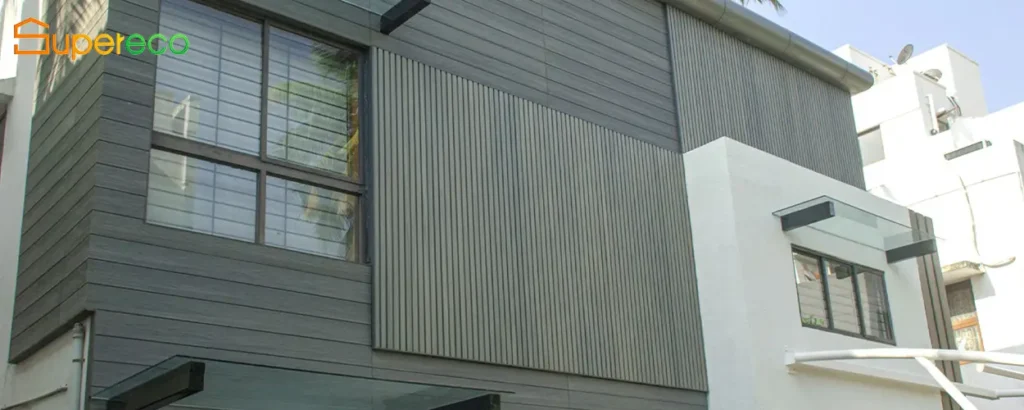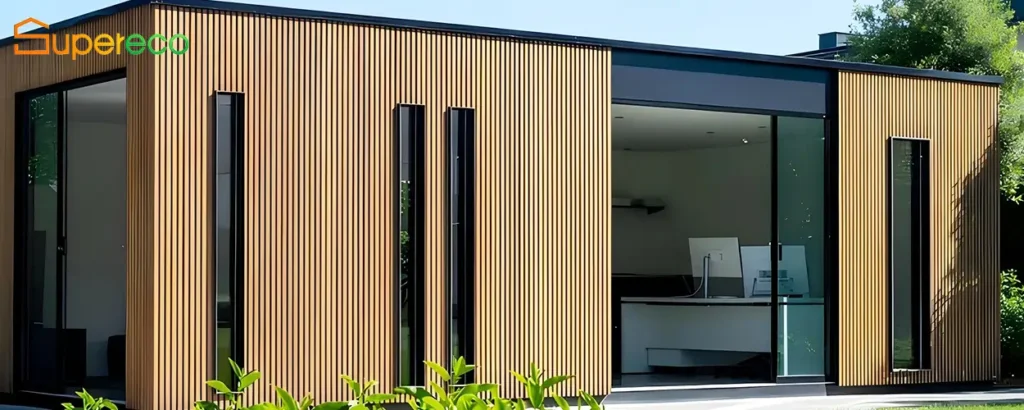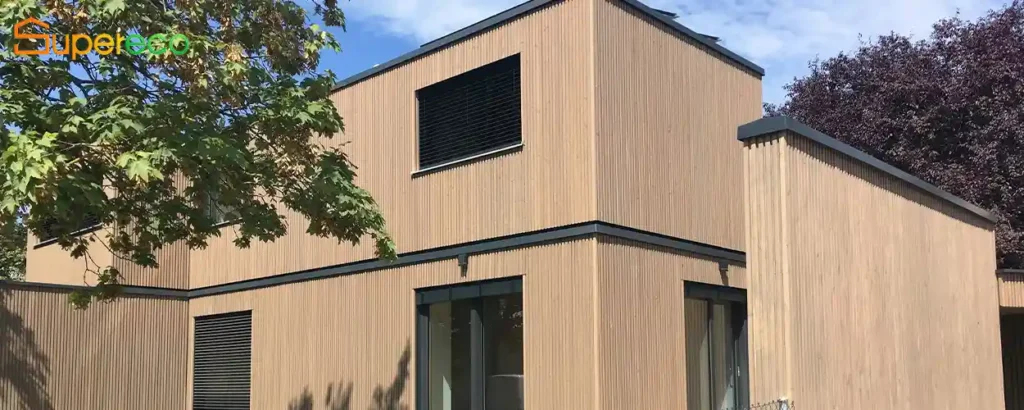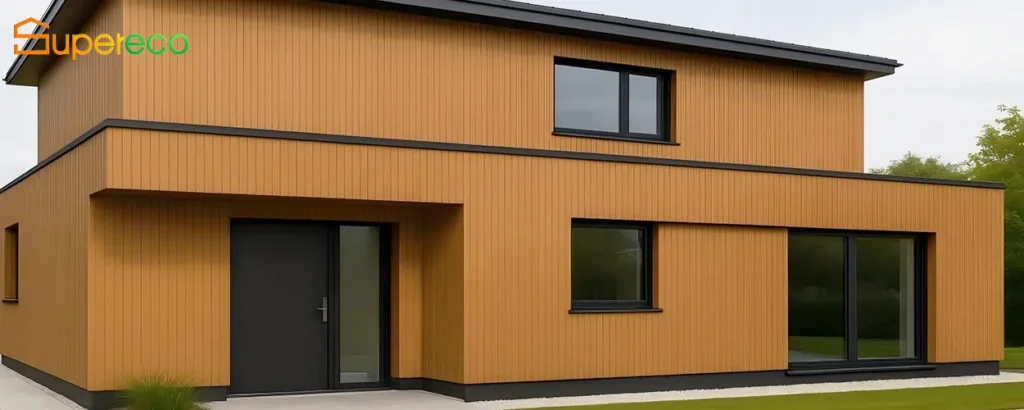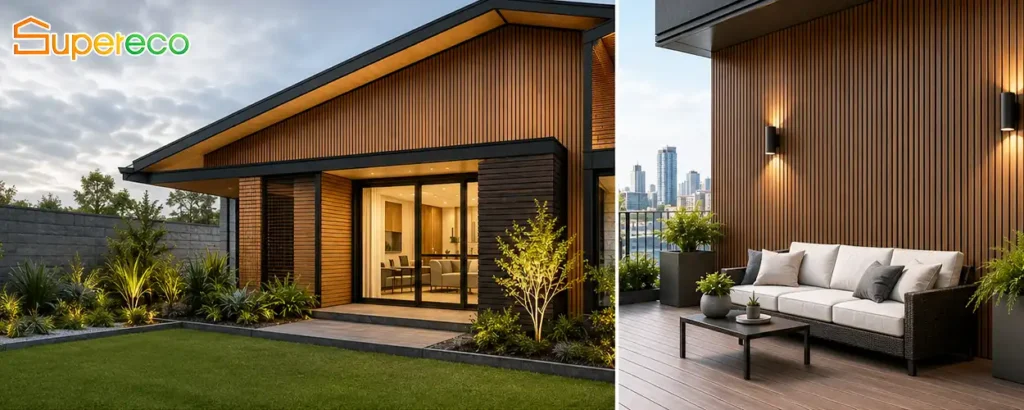
WPC Wall

outdoor wpc wall panel supereco

Why WPC Wall Panels Are Ideal for Renovation Projects?

Table of Contents Renovation projects across Europe, North America, Australia, and the Middle East are rapidly shifting toward sustainable, low-maintenance, and visually premium materials. Among the fastest-growing building materials in recent years, WPC Wall Panel systems have become a preferred solution for contractors, developers, wholesalers, importers, and project buyers seeking long-term value and faster installation. From luxury hotels and office upgrades to residential facades and outdoor commercial renovations, WPC Wall Panels deliver the perfect balance of durability, aesthetics, and cost efficiency. For bulk buyers and construction material distributors, choosing the right wall cladding solution directly impacts project profitability, maintenance costs, and customer satisfaction. That’s exactly why demand for wpc wall panel outdoor products continues to rise globally. What Is a WPC Wall Panel? A WPC Wall Panel (Wood Plastic Composite Wall Panel) is a modern decorative and protective wall material made from a blend of wood fibers, recycled plastics, and performance additives. It combines the natural appearance of wood with the durability of engineered composite materials. Core Features of WPC Wall Panels Feature Benefit Waterproof Structure Suitable for humid and outdoor environments UV Resistance Prevents fading and discoloration Termite Resistance Longer service life Fire Retardant Options Better building safety Easy Installation Lower labor costs Low Maintenance Saves operational expenses Eco-Friendly Materials Supports green building standards Compared with traditional wood panels, aluminum cladding, or PVC boards, WPC Wall Panels offer a more balanced solution for modern renovation requirements. Why Renovation Projects Prefer WPC Wall Panels The global renovation market is becoming increasingly focused on: Faster construction timelines Sustainable materials Lower lifecycle costs Modern architectural appearance Weather-resistant solutions Minimal maintenance This trend is particularly strong in developed countries where labor costs are high and building regulations are stricter. Fast Installation Saves Labor Costs One of the biggest concerns for renovation contractors is minimizing downtime and labor expenses. Traditional wall renovation methods often involve: Surface repair Painting Waterproof treatment Multiple finishing processes In contrast, WPC Wall Panels feature modular installation systems that significantly reduce project timelines. Advantages for Contractors Tongue-and-groove installation Lightweight structure Reduced on-site cutting Lower skilled labor dependency Cleaner installation process For commercial renovations such as hotels, shopping centers, restaurants, and office buildings, time savings directly translate into higher profitability Excellent Waterproof Performance for Outdoor Renovation Outdoor renovation projects face harsh weather conditions including: Rain Snow UV exposure Humidity Temperature fluctuations This is where wpc wall panel outdoor systems outperform traditional wood materials. Why Outdoor WPC Panels Are More Reliable Unlike natural wood, WPC materials: Do not rot Resist moisture absorption Prevent mold growth Maintain structural stability Require minimal repainting This makes them ideal for: Exterior wall cladding Balcony decoration Commercial facades Garden buildings Resort renovation projects Outdoor hospitality spaces In coastal regions and humid climates, waterproof wall solutions are becoming one of the highest-converting search categories on Google. Modern Design Flexibility Increases Property Value Today’s renovation buyers are not only focused on durability. Design also matters. Architects and developers increasingly choose WPC Wall Panels because they offer: Wood grain textures Contemporary linear designs Multiple color options Minimalist architectural finishes Luxury visual appearance Popular Design Trends in Europe and North America Dark charcoal wall panels Teak wood finishes Scandinavian-style facades Slatted wall systems Seamless exterior cladding These design trends align perfectly with modern residential and commercial renovation aesthetics. Low Maintenance Means Better Long-Term ROI Maintenance costs can significantly impact property operating expenses. Traditional wood cladding often requires: Annual painting Anti-termite treatment Waterproof coatings Surface repairs By comparison, WPC Wall Panels require very little maintenance. Long-Term Cost Benefits No frequent repainting Easy cleaning with water Longer replacement cycles Reduced maintenance labor Better weather resistance For property developers and hotel operators, this creates substantial savings over time. Eco-Friendly Building Materials Are Becoming a Global Standard Sustainability is no longer optional in many developed markets. Governments and commercial developers increasingly prefer: Recyclable materials Low-carbon construction products Green-certified suppliers Environmentally responsible manufacturing Why WPC Supports Green Building Goals Most high-quality WPC Wall Panel products use: Recycled plastic content Renewable wood fibers Reduced timber consumption Low-emission production methods This makes WPC products attractive for: LEED-related projects Sustainable commercial developments Green architecture initiatives Eco-conscious renovation buyers Fire-Resistant WPC Wall Panels Improve Building Safety Safety regulations in Europe and North America are becoming stricter every year. Modern renovation projects increasingly demand: Fire-rated materials Safer exterior cladding Compliance with building codes Many advanced WPC Wall Panels now offer: B1 fire rating options Flame-retardant additives Improved structural safety This makes them suitable for: Apartment buildings Commercial offices Hotels Educational institutions Public infrastructure projects Why Importers and Wholesalers Are Increasingly Choosing WPC Wall Panels For distributors and bulk buyers, the market potential is substantial. Key Reasons Importers Prefer WPC Products High global demand growth Strong profit margins Easy container loading Broad application range Repeat customer demand Growing outdoor renovation market Search trends in Google increasingly show rising demand for: Exterior composite wall panels Waterproof decorative panels Modern facade cladding Sustainable building materials Outdoor WPC wall systems This indicates long-term market expansion opportunities for wholesalers and importers. Applications of WPC Wall Panels Commercial Projects Hotels Restaurants Shopping malls Office buildings Retail stores Residential Projects Villas Apartments Garden walls Balcony decoration Exterior facades Public Infrastructure Schools Airports Exhibition centers Government buildings Hospitality & Tourism Resorts Beach clubs Outdoor cafes Poolside walls How to Choose a Reliable WPC Wall Panel Supplier Choosing the right supplier is critical for project success. Important Factors to Evaluate Material quality consistency UV resistance certification Waterproof testing reports Fire rating certifications OEM/ODM capabilities Production capacity Export experience Packaging standards For international buyers, suppliers with stable production systems and export experience can reduce procurement risks significantly. Why More Global Buyers Trust SUPERECO As a professional manufacturer focused on composite building materials,SUPERECO WPC Solutions provides high-quality WPC Wall Panels designed for modern architectural projects. Key Advantages Advanced production technology Stable bulk supply capability Custom color and texture options Competitive wholesale pricing International export support Durable outdoor-grade materials Whether you are a contractor, distributor, developer, or importer, choosing the right WPC

Why WPC Wall Panels Are Ideal for Renovation Projects? Read More »
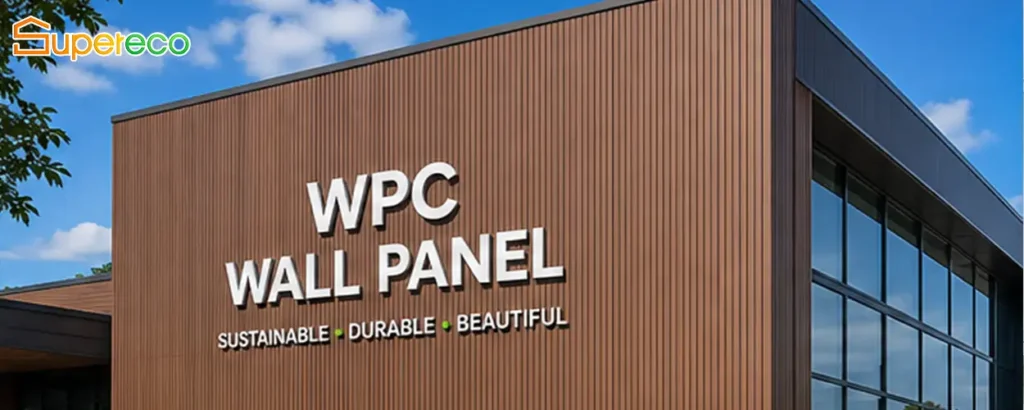
best applications for wpc wall panels in commercial projects

Best Applications for WPC Wall Panels in Commercial Projects

Table of Contents Introduction to WPC Wall Panel Market Trends in Europe The demand for WPC Wall Panel solutions is rapidly growing across Europe and other developed markets. Driven by sustainability regulations, lifecycle cost reduction, and aesthetic flexibility, WPC Wall Panels have become a preferred material for large-scale commercial construction. Rising Demand for WPC Wall Panels in EU Construction Across the EU, green building policies and carbon reduction targets are accelerating the adoption of composite materials. According to recent industry insights, the global WPC market is expected to grow steadily due to its eco-friendly composition and long lifespan . This makes wpc wall panel outdoor solutions especially attractive for project developers seeking compliance and long-term ROI. Why Commercial Buyers Prefer WPC Wall Panels For project contractors, wholesalers, and importers, the value lies in: Bulk consistency for large projects Reduced maintenance costs Long service life in harsh climates Strong aesthetic appeal These factors make WPC a strategic procurement choice rather than just a decorative material. What is a WPC Wall Panel? Composition and Structure A WPC Wall Panel is made from a blend of wood fibers and thermoplastics such as PE or PVC. This hybrid structure combines the natural beauty of wood with the durability of plastic . Key Features of WPC Wall Panels Waterproof and moisture-resistant UV-resistant and color stable Anti-termite and anti-rot Long lifespan with minimal deformation These properties make wpc wall panel outdoor applications highly reliable in commercial environments. Key Advantages of WPC Wall Panels for Outdoor Use Durability & Weather Resistance Outdoor materials must withstand rain, UV exposure, and temperature fluctuations. WPC panels excel here, offering resistance to moisture, fading, and cracking . Low Maintenance Cost Unlike wood, WPC requires no painting or sealing. Cleaning with water is sufficient, significantly reducing operational costs over time . Eco-Friendly Materials WPC panels are typically made from recycled materials, supporting sustainable construction and helping projects meet EU environmental standards . Fire Resistance & Safety Many WPC Wall Panels include fire-retardant additives, improving safety in public and commercial buildings. Best Applications for Outdoor WPC Wall Panels in Commercial Projects 1. Commercial Building Facades Modern office buildings increasingly use WPC Wall Panels for exterior cladding. These panels provide: A sleek, contemporary appearance Long-term durability Reduced maintenance budgets They also improve insulation and energy efficiency. 2. Hospitality Projects (Hotels & Resorts) Hotels require materials that balance aesthetics with durability. WPC panels are ideal for: Exterior walls Balcony cladding Poolside decorative walls Their resistance to moisture and UV exposure ensures long-lasting visual appeal. 3. Retail & Shopping Centers Retail environments demand visually appealing and durable materials. wpc wall panel outdoor solutions are widely used in: Mall exteriors Storefront designs Decorative facades They maintain a premium look despite heavy foot traffic and environmental exposure. 4. Public Infrastructure Projects Governments and municipalities use WPC for: Airports Train stations Public parks Exhibition centers The material’s resistance to wear, pests, and weather makes it ideal for high-traffic public areas . 5. Office Buildings & Business Parks Corporate environments prioritize modern design and cost efficiency. WPC panels offer: Professional appearance Long lifecycle Reduced maintenance costs This makes them a preferred choice for developers and investors. Why Choose WPC Wall Panels Over Traditional Materials Comparison with Wood Feature WPC Wall Panels Traditional Wood Maintenance Low High Lifespan Long Moderate Weather Resistance Excellent Poor Cost Over Time Lower Higher WPC eliminates common issues like rot, warping, and insect damage. Comparison with Aluminum & PVC Better aesthetics than PVC More eco-friendly than aluminum Superior insulation performance How to Choose the Right WPC Wall Panel Supplier Certifications for EU Market Ensure your supplier provides: CE Certification Fire rating compliance Environmental standards (RoHS, REACH) OEM & Bulk Supply Capability For wholesalers and project contractors, key factors include: Stable production capacity Consistent color batches Custom design capability Suggested external link: Visit https://www.superecowpc.com for bulk supply solutions and project consultation. Installation & Maintenance Tips Installation Process Overview Prepare flat substrate Install metal or wood frame Fix panels using clips or screws Ensure proper spacing for expansion Maintenance Best Practices Clean with water periodically Avoid harsh chemicals Inspect joints annually Future Trends of WPC Wall Panels in Commercial Projects The future of WPC Wall Panels is driven by: Sustainable construction demand Smart building integration Prefabricated modular systems With a projected CAGR of over 9%, WPC is set to dominate modern facade materials . FAQs About WPC Wall Panels 1. Are WPC Wall Panels suitable for extreme weather? Yes, they resist UV, moisture, and temperature changes effectively. 2. How long do WPC Wall Panels last? Typically 15–25 years depending on quality and environment. 3. Are WPC panels eco-friendly? Yes, they are made from recycled materials and reduce deforestation. 4. Can WPC Wall Panels be used in coastal areas? Yes, they resist salt spray and humidity. 5. Is installation complicated? No, most systems are designed for quick and easy installation. 6. Are WPC Wall Panels cost-effective for large projects? Yes, due to low maintenance and long lifespan. Conclusion For commercial developers, wholesalers, and importers in Europe and other developed markets, WPC Wall Panel solutions offer unmatched advantages. From durability and sustainability to design flexibility and cost savings, WPC Wall Panels and wpc wall panel outdoor applications are redefining modern construction. Choosing the right supplier and application strategy can significantly improve project ROI and long-term performance. Related Articles

Best Applications for WPC Wall Panels in Commercial Projects Read More »

how to reduce costs with bulk wpc wall panels

How to Reduce Costs with Bulk WPC Wall Panels?

Table of Contents Stop Overpaying for Cladding: Your Smart Guide to Bulk WPC Wall Panels Savings Let’s be honest: if you’re a project manager, distributor, or import specialist sourcing exterior cladding for commercial developments in the US, UK, Germany, or Canada, your margins are under constant pressure. Material costs creep up. Shipping gets unpredictable. And clients still demand premium aesthetics and budget compliance. Here’s the good news: Wood Plastic Composite (WPC) wall panels aren’t just a design trend—they’re a strategic cost-saving tool when sourced correctly in bulk. And when you partner with the right WPC Wall Panels Manufacturer, those savings compound across your entire supply chain. In this no-fluff guide, we’ll break down exactly how bulk purchasing of Outdoor WPC Wall Panels can cut your landed costs by 25–40%, while delivering the durability, low maintenance, and sustainability specs your Western clients expect. (Spoiler: It’s not just about “buying more.” It’s about buying smarter.) Why Bulk WPC Wall Panels Make Financial Sense in 2026 The global WPC market is projected to reach USD 7.2 billion by 2033, growing at a CAGR of 6.5%+ . But growth alone doesn’t save you money. What does? Volume-based pricing tiers – Most reputable factories (including Supereco) offer progressive discounts starting at 500m², with significant jumps at 2,000m² and 5,000m²+ orders. Reduced per-unit logistics – Consolidating shipments lowers freight costs per square meter by 15–30% versus multiple small orders. Fewer production changeovers – Manufacturers optimize runs for large batches, passing efficiency savings to bulk buyers. Inventory buffer against price volatility – Lock in today’s raw material rates before anticipated moderate increases later this year Real talk: One European distributor we worked with reduced their total landed cost by 31% simply by shifting from quarterly 800m² orders to two annual 4,000m² shipments—with zero compromise on quality or lead time. The 5 Cost Levers Most Importers Overlook (But Shouldn’t) 1. Material Composition Transparency = Fewer Hidden Costs Not all WPC panels are engineered equally. Cheaper blends with low wood-fiber content (<50%) or recycled plastic of inconsistent grade may save $0.20/m² upfront—but lead to higher rejection rates, warranty claims, or reputational damage downstream. Smart move: Request a detailed material datasheet. Look for: 55–70% recycled wood fiber + 30–45% thermoplastic (HDPE/PVC) UV stabilizers (critical for Outdoor WPC Wall Panels in high-sun regions) Fire-retardant certifications (CE, ASTM E84 Class A) for commercial compliance 2. Packaging Optimization = Lower Damage & Freight Costs Flimsy packaging = cracked panels = claims, delays, and wasted margin. Smart move: Specify export-grade packaging: Corner protectors + moisture-barrier film Palletized, forklift-ready units (reduces port handling time) Custom labeling with batch/QR tracking for inventory control 3. Lead Time Alignment = Avoid Rush Fees Last-minute orders trigger air freight premiums (3–5× sea freight) and production surcharges. Smart move: Plan 8–10 weeks ahead for ocean freight from China to EU/US ports. Use forecasted project pipelines to schedule bulk production slots. 4. After-Sales Support = Lower Total Cost of Ownership A panel that installs quickly, requires zero sealing, and lasts 15+ years saves far more than the cheapest upfront quote. Smart move: Choose a WPC Wall Panels Manufacturer offering: Pre-sales technical consultation (CAD support, load calculations) Installation training videos or on-site supervision (for large projects) Clear warranty terms (10+ years on color retention, structural integrity) 5. Sustainability Documentation = Faster Customs & Premium Pricing EU and North American projects increasingly require EPDs, FSC-aligned sourcing, or carbon footprint data. Missing docs = customs delays or lost bids. Smart move: Verify your supplier provides: Recycled content certificates Low-VOC emission test reports Digital product passports (increasingly required in Germany, Netherlands) Real-World Bulk Savings Breakdown (Example: 5,000m² Order) Cost Component Small Order (500m²) Bulk Order (5,000m²) Savings Unit Price (FOB) $14.20/m² $10.85/m² 23.6% Freight (Sea, to Rotterdam) $3.10/m² $2.25/m² 27.4% Customs/Duties* $1.85/m² $1.85/m² — Insurance & Handling $0.45/m² $0.32/m² 28.9% Total Landed Cost $19.60/m² $15.27/m² 22.1% *Duties remain constant per HS code; savings come from volume pricing and logistics efficiency. Source: Supereco 2026 wholesale pricing data for EU-bound shipments. Actuals vary by destination, Incoterms, and product spec. How to Vet a Bulk-Ready WPC Wall Panels Manufacturer Not every factory can handle large-scale international orders reliably. Ask these 5 questions before committing: “What’s your monthly production capacity for export-grade WPC wall panels?” → Look for 20,000+ tons/year capability to ensure scalability. “Can you provide references from bulk buyers in my region?” → Reputable suppliers proudly share case studies from US/EU distributors. “Do you offer FOB, CIF, or DDP terms—and which do you recommend for first-time bulk buyers?” → CIF often balances risk/cost best for new importers. “What quality control steps happen after production but before container loading?” → Expect: 100% visual inspection + random batch testing for density, water absorption, UV resistance. “How do you handle partial shipments or phased delivery for large projects?” → Flexibility here prevents cash flow strain and site delays. Ready to Lock In Your Bulk Pricing? If you’re evaluating Outdoor WPC Wall Panels for a Q3/Q4 2026 project—or building inventory for 2027 demand—now is the strategic time to act. Raw material markets remain stable for now, but capacity at top-tier Chinese factories is tightening as global orders rise. Next Step: [Request Your Custom Bulk Quote] – Share your target volume, destination port, and technical specs. Our export team will respond within 24 hours with: Tiered FOB/CIF pricing Sample kit options (free for qualified bulk inquiries) Lead time projection + logistics roadmap No obligation. Just clear numbers to help you decide. Final Thought: Cost Reduction ≠ Quality Compromise The smartest bulk buyers don’t just chase the lowest price. They optimize total value: durability that reduces callbacks, aesthetics that win bids, sustainability that future-proofs projects, and a supplier partnership that scales with their growth. When sourced strategically, WPC Wall Panels aren’t just a cladding choice—they’re a margin-protection strategy. Supereco has supplied 120+ bulk orders to distributors and contractors across North America and Europe since 2019. All panels meet CE, SGS, and ISO 9001 standards. Factory-direct. No middlemen.

How to Reduce Costs with Bulk WPC Wall Panels? Read More »

why architects prefer wpc wall panels

Why Architects Prefer WPC Wall Panels?

Table of Contents Introduction: Why WPC Wall Panels Are Dominating Modern Architecture If you’ve been involved in any recent construction or interior design project, you’ve probably noticed one material popping up everywhere — WPC Wall Panels. From luxury hotels to office buildings and residential developments, architects are increasingly specifying WPC panels instead of traditional materials like wood, MDF, or PVC. Why? Because modern projects demand durability, sustainability, cost-efficiency, and fast installation — and WPC delivers all of them. In fact, global demand for WPC materials is growing rapidly due to eco-friendly construction trends and performance advantages. In this article, we’ll break down exactly why architects prefer WPC Wall Panels, and how they can help you win more projects and reduce lifecycle costs. 1. Sustainability Is No Longer Optional — It’s Mandatory Today’s architecture is no longer just about aesthetics — it’s about responsibility. WPC Wall Panels are made from recycled wood fibers and plastic, reducing landfill waste and limiting deforestation. Why This Matters for Projects Meets LEED / green building requirements Supports ESG goals for developers Reduces environmental impact without sacrificing design Key Insight Architects prefer materials that align with sustainability certifications — and WPC panels are a perfect fit. 2. Exceptional Durability for Long-Term Performance Traditional materials come with problems: Wood → warping, cracking MDF → moisture damage Paint → frequent maintenance WPC Wall Panels solve all of these. Performance Advantages Waterproof & moisture-resistant Termite & insect-proof UV-resistant (no fading) Crack & warp resistant This makes them ideal for: Commercial buildings Hotels & resorts Exterior facades WPC panels can last 15–25 years, significantly reducing replacement costs. 3. Low Maintenance = Lower Lifecycle Costs For project owners, maintenance cost is often more important than initial price. WPC Wall Panels require: No painting No sealing No polishing Just simple cleaning. Why Developers Love This Reduces operational costs Saves labor expenses Ensures consistent appearance Over time, WPC becomes more cost-effective than wood or stone. 4. Fast Installation = Faster Project Delivery Time is money in construction. WPC Wall Panels feature: Lightweight structure Clip-lock or tongue-and-groove systems Dry installation (no wet work) Project Benefits 40–60% faster installation Reduced labor costs Shorter project timelines This is why contractors and developers increasingly choose WPC for: Renovation projects Modular construction Commercial interiors 5. Design Flexibility That Architects Love Modern architecture demands flexibility — and WPC delivers unmatched versatility. Design Options Wood grain textures Stone & marble finishes 3D embossed patterns Matte & modern surfaces Advanced technology allows WPC panels to closely mimic natural materials while offering better performance. Trending in 2025–2026 Earth tones & natural colors Fluted/slatted panels Minimalist geometric patterns Architects love WPC because it allows them to balance aesthetics with functionality. 6. Ideal for Both Interior and Exterior Applications One of the biggest advantages of WPC Wall Panels is versatility. Application Scenarios Interior walls (living rooms, offices) Exterior cladding Bathrooms & kitchens Commercial spaces Unlike traditional materials, WPC performs well in high humidity and outdoor environments. 7. Strong ROI for Developers & Investors Let’s talk numbers — because ROI drives decisions. Why WPC Wall Panels Improve ROI Lower maintenance costs Faster construction = earlier revenue Long lifespan Reduced replacement frequency For large-scale projects, this can mean millions saved over time. Real Market Trend: Why WPC Is Growing Globally

Why Architects Prefer WPC Wall Panels? Read More »

how to choose the right outdoor wpc wall panel supplier

How to Choose the Right WPC Wall Panel Supplier?

Table of Contents Why Choosing the Right WPC Wall Panel Supplier Matters If you’re sourcing materials for a large project, picking the right WPC Wall Panel Supplier isn’t just a procurement task—it’s a strategic decision. The supplier you choose will directly affect your project’s timeline, cost, and long-term performance. Impact on Project Cost and Quality A reliable WPC Wall Panel supplier ensures: Consistent product quality Stable pricing for bulk orders On-time delivery On the flip side, a poor supplier can lead to delays, material defects, and unexpected costs that eat into your margins. Risks of Choosing the Wrong Supplier Buyers in North America and Europe often face: Panels fading within 1–2 years Warping due to low-quality materials Lack of compliance with fire or safety standards These issues are not just inconvenient—they can damage your reputation. What Is a WPC Wall Panel? A WPC Wall Panel is a composite material made from wood fibers and plastic polymers. It’s designed for outdoor durability while maintaining a natural wood-like appearance. Composition and Key Features Typical features include: UV resistance Water resistance Anti-termite properties Long lifespan (15–25 years) Why WPC Wall Panels Are Popular in Developed Markets In countries like the US, Germany, and Australia, demand for composite wall panels is growing fast. The reasons are simple: Strict environmental regulations High labor costs (favoring low-maintenance materials) Increasing focus on sustainability Key Criteria for Selecting a WPC Wall Panel Supplier Product Quality and Certifications Always check for: ISO certification Fire ratings (B1 or A2) UV resistance testing High-quality WPC Wall Panel products should pass international standards without compromise. Production Capacity and Lead Time For large projects, capacity matters. Ask: Monthly production volume Average lead time for bulk orders Ability to handle urgent orders Customization and OEM Capability Top suppliers offer: Custom colors and textures Logo branding Project-specific designs Pricing Transparency A trustworthy WPC Wall Panel Supplier will: Provide clear quotations Break down costs (materials, shipping, packaging) Avoid hidden fees After-Sales Support This is often overlooked. Good suppliers provide: Installation guidance Warranty policies Technical support Comparing Global WPC Wall Panel Suppliers China-Based Manufacturers Pros: Competitive pricing Strong production capacity Wide product range Cons: Quality varies significantly Requires careful vetting European Suppliers Pros: High quality standards Strong compliance Cons: Higher costs Limited customization flexibility Local Distributors Pros: Faster delivery Easier communication Cons: Higher markup Limited bulk discounts Why Supereco WPC Wall Panel Supplier Stands Out When it comes to balancing price, quality, and reliability, Supereco WPC Wall Panel Supplier has become a preferred choice for many international buyers. Product Innovation and Technology Supereco focuses on: Co-extrusion technology for better UV resistance Advanced surface textures Long-lasting color stability Their panels are designed specifically for outdoor performance in harsh environments. Strong Export Experience Supereco has extensive experience supplying: Large-scale construction projects Commercial developments Wholesale distributors This means smoother communication, better documentation, and fewer delays. Competitive Pricing for Bulk Orders For B2B buyers, pricing is critical. Supereco offers: Factory-direct pricing Flexible MOQ options Cost-effective shipping solutions This makes them especially attractive for developers and wholesalers. Cost Considerations for Bulk Buyers Unit Price vs Total Cost Don’t focus only on the unit price. Consider: Installation cost Maintenance cost Replacement cost A cheaper panel may cost more in the long run. Shipping and Logistics Efficiency Efficient suppliers optimize: Container loading Packaging Delivery timelines This can significantly reduce overall project costs. Common Mistakes to Avoid When Choosing a Supplier Choosing the lowest price without checking quality Ignoring certifications Not requesting samples Overlooking logistics capabilities Skipping factory audits How to Evaluate a Supplier Step-by-Step Request product samples Verify certifications Check client references Compare 2–3 suppliers Test communication responsiveness Start with a trial order FAQs 1. What makes a good WPC Wall Panel Supplier? A good supplier offers consistent quality, certifications, competitive pricing, and reliable delivery. 2. How do I verify product quality? Request samples and test for durability, color stability, and structural strength. 3. Is it better to buy directly from manufacturers? Yes, especially for bulk orders, as it reduces costs and improves customization options. 4. Why is Supereco a good choice? Supereco combines competitive pricing, strong export experience, and high-quality products tailored for global markets. 5. What certifications should I look for? ISO, fire resistance ratings, and UV testing certifications are essential. 6. How long do WPC Wall Panels last? Typically 15–25 years with minimal maintenance. Conclusion Choosing the right WPC Wall Panel Supplier is one of the most important decisions for any construction or development project. It’s not just about price—it’s about reliability, quality, and long-term value. For buyers in developed markets, suppliers like Supereco WPC Wall Panel Supplier offer a strong balance of performance, cost-efficiency, and global experience. Take your time, compare options, and always prioritize long-term results over short-term savings. Related Articles

How to Choose the Right WPC Wall Panel Supplier? Read More »

what is wpc wall panel

What is WPC Wall Panel?

Table of Contents If you’re involved in construction, interior design, or property development, you’ve likely heard the term WPC wall panel popping up more frequently—especially in 2025 and early 2026. But what exactly is it, and why are so many project managers and architects switching to this material? WPC, or Wood-Plastic Composite, is a hybrid building material made from a blend of recycled wood fibers (or other lignocellulosic materials) and thermoplastics like polyethylene or PVC. The result? A durable, low-maintenance, and eco-friendly alternative to traditional wood, MDF, or even ceramic tiles—especially for wall cladding applications. Unlike solid wood, WPC wall panels resist moisture, termites, and warping. Unlike pure plastic, they retain the natural look and texture of wood—without the upkeep. For contractors and developers managing tight timelines and budgets, this balance of aesthetics, performance, and cost-efficiency is hard to ignore. Why WPC Wall Panels Are Trending in 2026 Google Trends data from late 2025 into early 2026 shows a steady rise in searches for “WPC wall panel,” particularly in North America, Southeast Asia, and parts of Europe. This isn’t just a passing fad—it’s driven by real-world demands: Sustainability mandates: With stricter green building codes (like LEED and BREEAM), using recycled-content materials like WPC helps projects qualify for certifications. Labor shortages: WPC panels are lightweight and easy to install—often requiring fewer skilled laborers and less time than traditional finishes. Moisture-prone environments: From bathrooms and basements to outdoor facades and poolside areas, WPC performs where wood fails. Design flexibility: Available in wood grain, stone, concrete, and even custom colors, WPC panels offer architectural versatility without compromising durability. One contractor in Texas recently told us: “We switched to WPC for a multi-family housing project last year. Installation was 30% faster, and we haven’t had a single callback for swelling or mold.” Key Benefits for Project Stakeholders Benefit Impact on Your Project Water & Rot Resistance Ideal for humid climates or high-moisture zones—no sealing or painting needed. Low Maintenance No sanding, staining, or repainting over time. Reduces long-term operational costs. Eco-Friendly Composition Made with up to 60–70% recycled content. Supports ESG goals and sustainability reporting. Fire-Retardant Options Many WPC panels now meet Class B or Class A fire ratings—critical for commercial builds. Consistent Quality Factory-controlled production means no knots, cracks, or warping—unlike natural wood. Common Applications in Real Projects Exterior cladding for apartment complexes and retail facades Interior accent walls in hotels, offices, and co-working spaces Bathroom and kitchen wall linings in residential developments Ceiling panels in transit hubs and commercial lobbies Because WPC panels often come in interlocking or tongue-and-groove systems, they integrate seamlessly with modern drywall or framing systems—minimizing rework and waste. Things to Consider Before Specifying WPC While WPC wall panels offer many advantages, they’re not universal. Here’s what to keep in mind: UV stability: Not all WPC is created equal. For exterior use, ensure the product includes UV inhibitors to prevent fading. Thermal expansion: Like most composites, WPC expands slightly with heat. Proper spacing during installation is essential. Supplier reliability: Work with manufacturers who provide third-party test reports (e.g., ASTM, ISO) for durability and fire performance. Pro tip: Always request a full sample kit before finalizing specs. Lighting and texture can vary significantly between batches. Final Thoughts In today’s fast-paced, cost-conscious, and sustainability-driven construction landscape, WPC wall panels aren’t just an alternative—they’re becoming the standard for smart, future-ready projects. Whether you’re renovating a boutique hotel or building affordable housing at scale, WPC delivers performance without compromise. Ready to explore options? Start by reviewing certified WPC wall panel suppliers with proven track records in commercial installations. Related Articles

What is WPC Wall Panel? Read More »

how to install wpc wall panel

How to Install WPC Wall Panel?

Table of Contents When it comes to modern, low-maintenance, and durable interior or exterior cladding solutions, WPC wall panels have surged in popularity—especially among contractors, builders, and renovation-focused homeowners. According to recent Google Trends data (as of early 2026), searches for “WPC wall panel installation” and “how to install WPC wall panels” have climbed steadily over the past 12 months, reflecting growing interest in sustainable building materials that combine wood aesthetics with plastic resilience. If you’re managing a residential remodel, commercial project, or even a backyard accent wall, this guide will walk you through a professional-grade yet beginner-friendly WPC wall panel installation process—without the fluff. Why Choose WPC Wall Panels? Before diving into installation, it’s worth noting why so many pros are switching to Wood-Plastic Composite (WPC) wall panels: Moisture-resistant: Ideal for bathrooms, kitchens, basements, and outdoor spaces. Termite & rot-proof: Unlike real wood, WPC won’t decay or attract pests. Low maintenance: No painting, sealing, or staining required. Eco-friendly: Often made from recycled wood fibers and plastics. Easy to cut & install: Lightweight and compatible with standard woodworking tools. These benefits make WPC an excellent choice for fast-track projects where durability and aesthetics matter. Tools & Materials You’ll Need Gather these before you start: WPC wall panels (measure your area accurately—add 5–10% for waste) Measuring tape & pencil Level & chalk line Circular saw or jigsaw (with fine-tooth blade) Drill & screws (stainless steel recommended) Furring strips or plywood backing (for uneven walls) Silicone sealant (optional, for wet areas) Safety gear (gloves, goggles, mask) Pro Tip: Always acclimate your WPC panels indoors for 48 hours before installation. Temperature and humidity changes can cause slight expansion or contraction. Step-by-Step Installation Guide Step 1: Prepare the Surface Ensure your wall is clean, dry, flat, and structurally sound. Remove old wallpaper, loose paint, or protruding nails. For concrete or masonry walls, consider installing furring strips to create a nailable surface and allow airflow behind the panels—critical for moisture management. Step 2: Plan Your Layout Start from the bottom and work upward. Use a level and chalk line to mark a straight reference line. Dry-fit the first row without fastening to check alignment and cut any end pieces as needed. Step 3: Cut Panels to Size Use a circular saw with a fine-tooth carbide blade (80+ teeth) for clean cuts. Always cut with the finished side up to minimize chipping. Wear a mask—WPC dust can be irritating. Step 4: Install the First Row Secure the starter panel using stainless steel screws through the tongue (hidden fastening) or along the edge (face-fastening if design allows). Leave a 3–5mm expansion gap at corners and edges. Step 5: Continue Staggering Joints As you move up, stagger vertical seams like brickwork—avoid aligning joints across rows. This enhances visual appeal and structural integrity. Most WPC panels feature a tongue-and-groove system for seamless alignment. Step 6: Trim Around Obstacles For outlets, pipes, or windows, measure carefully and use a jigsaw for precise cutouts. Always turn off power before working near electrical boxes. Step 7: Finish Edges & Corners Use matching trims or moldings for a polished look. Apply silicone sealant in wet zones (e.g., shower surrounds) to prevent water ingress. Common Mistakes to Avoid Skipping acclimation: Leads to warping or buckling post-install. ver-tightening screws: Can crack the panel or restrict natural expansion. Ignoring expansion gaps: Causes panels to warp in temperature swings. Installing on damp surfaces: Traps moisture and risks mold behind panels. Final Thoughts Installing WPC wall panels isn’t just about slapping up planks—it’s about smart planning, proper prep, and attention to detail. When done right, you get a sleek, modern finish that lasts years with zero upkeep. Whether you’re outfitting a luxury apartment lobby or refreshing a basement rec room, WPC delivers performance and style in one package. Ready to get started? Check out our curated selection of high-quality WPC wall panels designed for easy installation and long-term durability. Related Articles

How to Install WPC Wall Panel? Read More »

wpc wall panel supplier in china

What are WPC Wall Panel Supplier in China?

Table of Contents Sourcing building materials from China is a common strategy for global project managers, architects, and contractors. But when you’re on the hunt for a reliable, high-quality, and durable solution for your next commercial or large-scale interior or exterior project, WPC (Wood Plastic Composite) wall panels are a name you can’t ignore. And in the vast landscape of Chinese manufacturers, one supplier consistently stands out for its commitment to quality and innovation: Supereco. China is a powerhouse in the WPC market. The domestic market was valued at a staggering $11.7 billion in 2025 and is projected to keep growing at a strong CAGR of nearly 11% through 2033. This growth is fueled by a global demand for sustainable, low-maintenance, and aesthetically pleasing building materials. But with so many options, how do you cut through the noise and find a partner you can trust? That’s where Supereco enters the picture. Why Choose a WPC Wall Panel Supplier from China? There are a few compelling reasons. First, Chinese suppliers often have a massive manufacturing scale, which translates to competitive factory-direct pricing. Second, decades of experience in producing for international markets mean they understand the stringent quality and compliance standards required in Europe, North America, and beyond. Finally, the innovation in the sector is rapid, with new textures, finishes that mimic natural wood, and enhanced performance features (like UV resistance and fire retardancy) being developed constantly. Supereco: Your Premium Partner in the WPC Market If you’re evaluating suppliers, you need to look beyond just price. You need a manufacturer with a proven track record, robust production capabilities, and a product that delivers on its promises. Supereco ticks all these boxes. Founded in 2006 and based in Linyi, Shandong Province, Supereco has grown to become one of the largest outdoor WPC manufacturing bases in northern China. This isn’t a small trading company; it’s a factory-direct manufacturer with full control over its R&D and production process. What sets Supereco apart? It’s their uncompromising focus on product performance and client service for professional projects. Their WPC wall panels are engineered for real-world challenges. Forget the worry of panels warping, cracking, or fading over time. Supereco’s panels are built with a core formula of 60% wood fiber, 35% high-density polyethylene (HDPE), and 5% additives, creating a product that is inherently 100% waterproof, anti-corrosion, and moisture-proof. This makes them ideal for areas with high humidity or even direct exposure to the elements. For commercial projects where longevity and low maintenance are critical—think hotel lobbies, office reception areas, or exterior building facades—these features are non-negotiable 46. Their surfaces are scratch-resistant and require no painting, staining, or sealing, which drastically reduces long-term operational costs. Aesthetics matter just as much. Supereco offers an impressive range of 33 colors and realistic wood-grain textures that rival the look of solid timber, but without any of the upkeep. This gives architects and designers the creative freedom to achieve the desired look while ensuring the material’s durability. Whether your project calls for sleek, modern flat cladding or the classic, textured look of fluted panels, Supereco has a solution that’s both fire-resistant and eco-friendly. The Bottom Line for Projects Buyers When you’re managing a project, your reputation is on the line with every material you specify. Partnering with a WPC wall panel supplier in China like Supereco gives you the confidence that you’re getting a premium product backed by a company with nearly two decades of experience and a global export focus. Don’t just source a product—source a reliable partnership. For your next project, make Supereco your first choice among WPC wall panel suppliers in China. Related Articles

What are WPC Wall Panel Supplier in China? Read More »

Exterior WPC Cladding Application in Modern Commercial Projects

Exterior WPC Cladding Application in Modern Commercial Projects

Table of Contents Why WPC Cladding Is Gaining Momentum in Commercial Construction In today’s construction market, WPC Cladding is no longer viewed as an alternative material — it is becoming a standard solution for modern exterior design. Across commercial buildings, residential complexes, hotels, and public facilities, project owners are actively looking for cladding systems that balance appearance, durability, and long-term cost control.This shift is driven by several factors. Rising labor costs, tighter project timelines, and stricter sustainability requirements have made traditional materials like solid wood or stone less practical for large-scale use. WPC cladding, made from a blend of wood fiber and polymer, responds directly to these challenges.For B2B buyers managing multiple projects or large square-meter requirements, material reliability and supply consistency matter just as much as aesthetics. That is where WPC cladding shows its real value. What Exactly Is WPC Cladding? WPC cladding, short for Wood Plastic Composite cladding, is an exterior wall panel designed to replicate the look of natural wood while delivering superior performance in outdoor environments.Unlike solid timber, WPC cladding does not absorb moisture easily, does not rot, and does not require regular painting or sealing. The material is engineered to handle UV exposure, temperature changes, and humidity — conditions that often shorten the lifespan of traditional cladding materials.For project developers and contractors, this means fewer callbacks, lower maintenance costs, and a more predictable service life. Key Benefits of WPC Cladding for B2B Projects 1. Long-Term Cost Efficiency While the upfront price of WPC cladding may be comparable to mid-range exterior materials, the real savings appear over time. No repainting, no anti-termite treatment, and minimal cleaning requirements translate into lower lifecycle costs, especially for commercial properties. 2. Consistent Quality for Large Orders One of the biggest pain points in project sourcing is color variation and inconsistent material quality. WPC cladding is factory-produced under controlled conditions, ensuring uniform color, size, and performance across bulk orders. 3. Fast Installation and Reduced Labor Most WPC cladding systems are designed with easy-install profiles, reducing on-site labor time. This is a significant advantage for projects working under tight schedules or limited skilled labor availability. 4. Sustainability and Compliance With recycled content and long service life, WPC cladding supports green building goals. Many projects today require materials that align with sustainability standards, and WPC cladding fits well within modern environmental frameworks. Common Applications of WPC Cladding WPC cladding is widely used across different project types, including: Commercial building facades Residential apartment exteriors Hotels and resorts Office buildings and business parks Public infrastructure and educational facilities Its versatility allows architects to use it for full facades or as decorative accent walls, helping buildings achieve a modern, clean look without complex detailing. What B2B Buyers Should Look for in a WPC Cladding Supplier Choosing the right supplier is just as important as selecting the material itself. For B2B and project buyers, consider the following: Factory capability and production capacity Quality control standards and testing reports Ability to handle bulk and repeat orders Custom color, length, or profile options Export experience and logistics support A reliable WPC cladding supplier should act as a long-term partner, not just a one-time vendor. WPC Cladding vs Traditional Exterior Materials Compared with solid wood, WPC cladding eliminates issues like cracking, warping, and insect damage. Against metal or stone cladding, it offers a warmer appearance and simpler installation, often at a lower total project cost.For B2B users balancing design intent with commercial realities, WPC cladding delivers a practical middle ground — visually appealing, technically reliable, and financially predictable. Final Thoughts: Is WPC Cladding Right for Your Next Project? As construction trends continue to favor low-maintenance, sustainable, and scalable solutions, WPC Cladding stands out as a material that meets both design and operational needs.For developers, contractors, and distributors, it offers a way to reduce long-term risk while delivering modern aesthetics that clients expect. When sourced from a capable supplier and specified correctly, WPC cladding can significantly improve project efficiency and building performance.If your upcoming projects require a reliable exterior solution that performs well across climates and project scales, WPC cladding is worth serious consideration. Related Articles

Exterior WPC Cladding Application in Modern Commercial Projects Read More »

Scroll to Top