How to Choose a Reliable Composite Decking Supplier in China
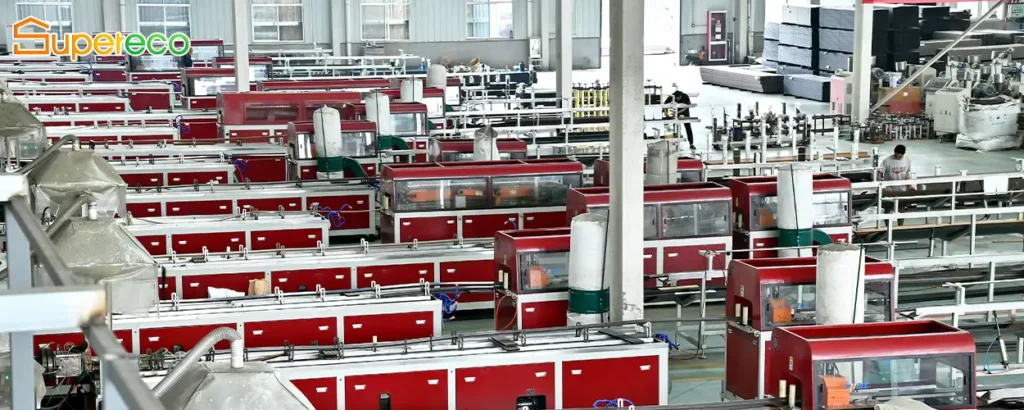
Global demand for composite decking continues to grow as distributors, contractors, builders, and outdoor living brands look for materials that offer lower maintenance, longer lifespan, and more stable outdoor performance than traditional wood. But while sourcing from China can offer strong manufacturing advantages and competitive pricing, many buyers still face the same problem: How do you identify a reliable composite decking supplier before quality issues become expensive project problems? For experienced importers, the real risk is rarely the initial product price. The bigger risk usually appears later: inconsistent quality between containers delayed shipments fading boards after sun exposure cracking or deformation unstable co-extrusion layers poor packaging during transport suppliers disappearing after delivery In the outdoor building materials industry, supplier stability matters just as much as product quality. This guide explains what professional buyers actually evaluate before choosing a composite decking supplier in China — and how to avoid the sourcing mistakes that commonly lead to warranty claims, project delays, and customer complaints. Why Global Buyers Are Moving From Wood to Composite Decking Traditional timber decking still exists in many markets, but commercial projects are increasingly shifting toward composite materials for one simple reason: Long-term cost efficiency Compared with natural wood, modern composite decking offers: lower maintenance requirements improved moisture resistance reduced cracking and warping better dimensional stability longer service life improved anti-slip performance lower long-term replacement costs This is why hotels, resorts, commercial developments, poolside projects, restaurants, and distributors are increasingly working directly with a professional WPC decking manufacturer instead of relying solely on hardwood suppliers. For many buyers sourcing composite decking wholesale, the purchasing decision is no longer based only on material appearance. They are evaluating: lifecycle cost installation efficiency future maintenance expenses replacement frequency warranty risk customer satisfaction long-term durability in local climates And this changes how experienced buyers choose suppliers. Verify Whether the Supplier Is a Real Manufacturer One of the biggest sourcing mistakes buyers make is assuming every supplier with factory photos is an actual manufacturer. In reality, many companies are trading firms outsourcing production from multiple factories. A reliable composite decking manufacturer should be able to clearly demonstrate: extrusion production lines raw material storage systems in-house quality control surface treatment processes OEM packaging capability production capacity export loading experience technical testing procedures Experienced importers usually ask questions such as: How many extrusion lines do you operate? What is your monthly capacity? Can you guarantee color consistency between batches? How do you control moisture content in raw materials? What happens if replacement boards are needed six months later? Do you have experience supplying commercial projects? Reliable manufacturers answer these questions confidently and transparently. A supplier with stable production systems is far more likely to provide: consistent product quality reliable lead times stable dimensions repeatable color control long-term supply continuity rather than simply offering low pricing. Raw Material Quality Determines Long-Term Performance Two composite decking boards can look almost identical in product photos while performing completely differently outdoors after one year. The biggest difference usually starts with raw materials. A professional WPC manufacturer should clearly explain: HDPE source quality wood fiber ratio UV stabilizers coupling agents anti-oxidation additives co-extrusion cap composition moisture control standards Low-quality suppliers often reduce costs by: lowering Uusing contaminated recycled plastics increasing calcium powder or filler content using poorly dried wood powder reducing protective cap thicknessV additive ratios These shortcuts often lead to: surface cracking color fading swelling brittle boards peeling layers poor dimensional stability Professional buyers increasingly request: density reports water absorption data UV aging tests anti-slip testing material composition details actual cut samples before placing large wholesale orders. Because outdoor materials are judged by how they perform after years of weather exposure — not how they look in a showroom. Understand the Difference Between Traditional WPC and Co-Extrusion Decking Many buyers searching for a capped composite decking supplier or co extrusion decking manufacturer do not fully understand the technical difference between the two systems. Traditional WPC Decking Typically offers: lower initial cost solid structural performance standard outdoor durability good value for budget-focused projects Co-Extrusion Composite Decking Features an additional protective polymer cap layer that improves: stain resistance moisture resistance scratch resistance UV stability color retention long-term appearance This is why co-extrusion products are increasingly preferred for: commercial outdoor projects hospitality developments poolside areas public spaces premium residential markets However, not all capped decking performs equally. Some suppliers apply extremely thin protective layers to reduce production costs. This may create problems such as: surface peeling uneven fading premature wear weak scratch resistance Experienced buyers often request: cap thickness information accelerated weather testing scratch resistance reports real project references stain resistance demonstrations before confirming orders. Outdoor Testing Standards Matter More Than Product Photos Many suppliers can provide attractive product catalogs. Far fewer can provide reliable outdoor performance testing. A professional WPC decking supplier should offer technical data related to: UV resistance water absorption thermal expansion anti-slip performance static load testing fire rating stain resistance weather durability This becomes especially important for projects located in: coastal climates high-temperature regions humid environments commercial public areas swimming pool installations For example, poor UV protection may not become visible until after prolonged sun exposure. At that point, replacing faded decking can become significantly more expensive than choosing a better supplier initially. Reliable manufacturers understand that outdoor products must survive real environmental conditions — not just pass showroom inspection. Stable Supply Chain Is More Valuable Than Cheap Pricing Many buyers focus heavily on unit pricing during the initial quotation stage. Experienced distributors focus on supply stability. Because the biggest hidden costs usually come from: delayed production inconsistent colors between batches damaged packaging missing accessories unstable inventory replacement delays weak shipment coordination Reliable composite decking wholesale suppliers usually maintain: stable raw material sourcing standardized production systems export-grade packaging dedicated QC procedures container loading experience repeat order management systems For distributors managing multiple projects, supply consistency often matters more than saving a few dollars per square meter. A reliable supplier protects: project timelines contractor relationships brand reputation long-term profitability
How to Choose a Reliable Composite Decking Supplier in China Read More »