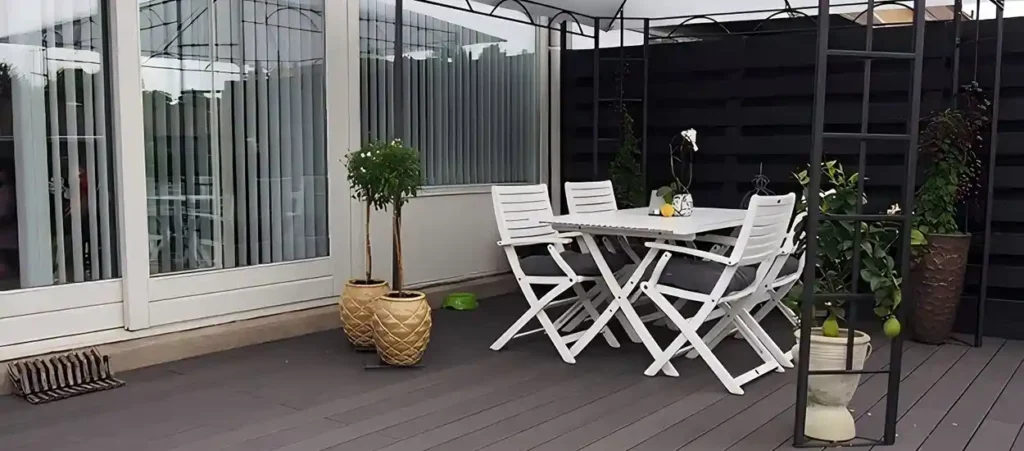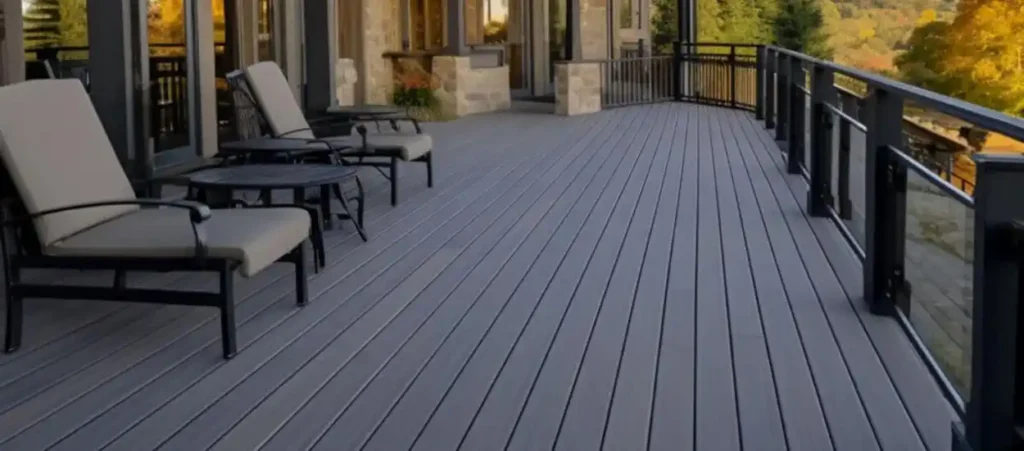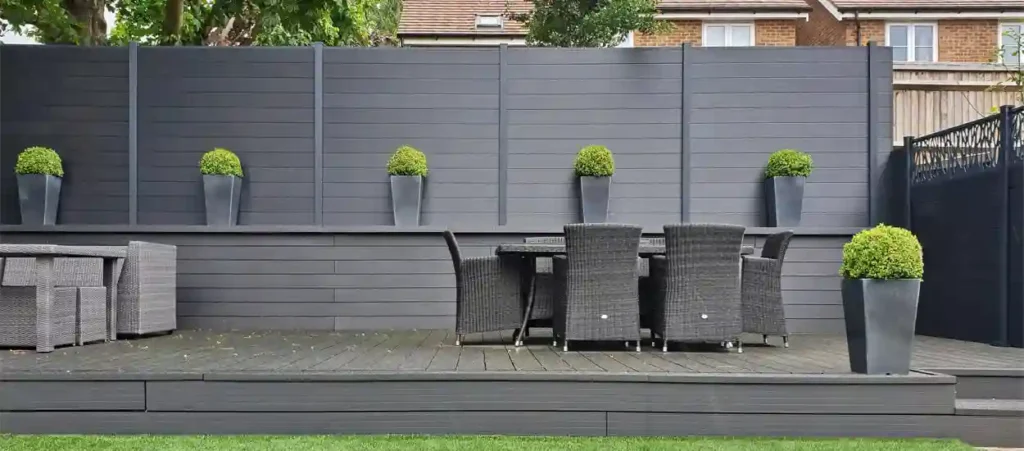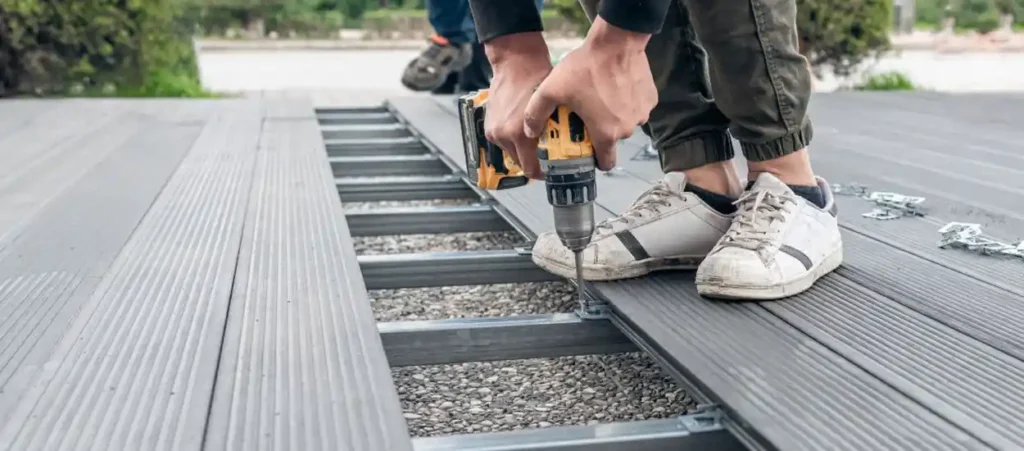
WPC Decking

dongstar supereco canton fair plywood guide

Meet Supereco at Canton Fair 2026: Top 3 High-Demand WPC Products Boosting Bulk Profits

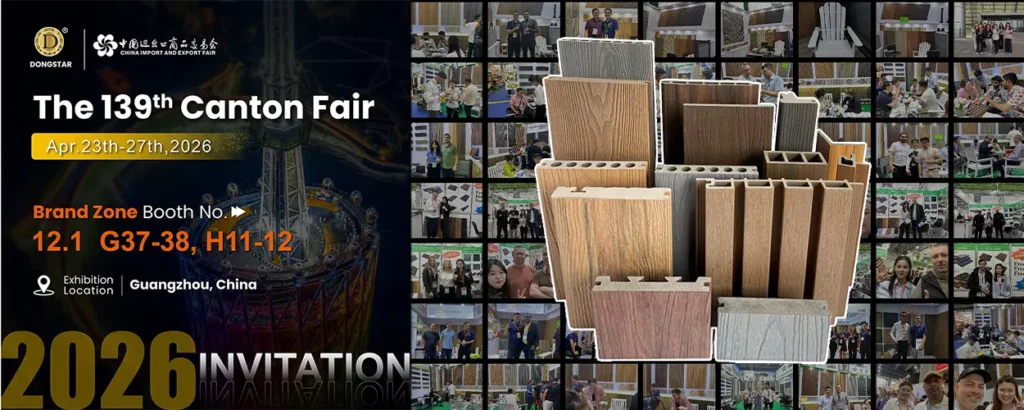
Table of Contents Meet Supereco at Canton Fair 2026 If you’re planning to attend Canton Fair 2026 Phase 2, there’s one booth you shouldn’t miss — Supereco (Dongshida Branch) at Booth No. 12.1 G37-38, H11-12. This year, Supereco is bringing its most competitive product lines: WPC Decking, WPC Fencing, and WPC Wall Panels, designed specifically for project contractors, wholesalers, and importers looking for scalable and reliable supply. In a market where durability, sustainability, and pricing all matter, choosing the right supplier can make or break your margins. Let’s walk through why Supereco is getting attention from global buyers. Why Canton Fair 2026 Matters for Global Buyers The Canton Fair (China Import and Export Fair) remains the largest trade exhibition in Asia, attracting thousands of international buyers every year. What Makes Phase 2 the Best for Building Materials Phase 2 focuses heavily on construction materials, home decoration, and outdoor solutions — making it the perfect stage for WPC product sourcing. Buyers attending this phase are typically: Large-scale project developers Distributors and wholesalers Importers looking for long-term suppliers Supereco (Dongshida Branch): Your Trusted WPC Manufacturer Company Background & Manufacturing Strength Supereco operates under Dongshida, specializing in Wood Plastic Composite (WPC) materials. With advanced production lines and strict quality control systems, the company delivers consistent quality across bulk orders. Export Experience & Global Market Reach Supereco products are already exported to: Europe North America Southeast Asia Middle East This global footprint ensures compliance with international standards and buyer expectations. Featured Products at Booth No. 12.1 G37-38, H11-12 WPC Decking: Durable Outdoor Solutions WPC decking is one of the fastest-growing alternatives to traditional wood decking. Key Features & Benefits Weather-resistant (no cracking or warping) Low maintenance (no painting required) Anti-slip surface for safety Long lifespan (10–20 years) Perfect for: Outdoor terraces Resorts & hotels Public infrastructure projects WPC Fencing: Privacy Meets Performance WPC fencing combines aesthetic appeal with structural strength, making it ideal for modern construction. Application Scenarios Residential privacy fencing Commercial property boundaries Garden and landscape design Buyers prefer WPC fencing because it reduces long-term maintenance costs significantly. WPC Wall Panels: Modern & Eco-Friendly Designs These panels are gaining traction in both interior and exterior applications. Indoor vs Outdoor Use Indoor: Decorative walls, offices, retail spaces Outdoor: Facades, cladding systems Advantages include: Easy installation Fire resistance options Wide range of textures and finishes Why WPC Products Are Trending in 2026 Sustainability & Eco Construction Demand With global policies pushing toward green building materials, WPC has become a preferred alternative to natural wood. It’s made from: Recycled plastic Wood fibers This reduces deforestation and aligns with ESG goals. Cost Efficiency for Bulk Buyers For importers and wholesalers, WPC offers: Lower lifecycle costs Reduced maintenance expenses High resale value That’s why demand is rising steadily on Google search trends for keywords like: “WPC decking supplier China” “bulk WPC fencing manufacturer” “eco wall panels wholesale” What Importers & Wholesalers Care About Most Pricing, MOQ, and Customization Supereco offers: Competitive factory pricing Flexible MOQ options OEM & ODM customization This allows buyers to tailor products for their specific markets. Logistics & Delivery Reliability Timely delivery is critical in large projects. Supereco ensures: Stable production timelines Export-ready packaging Support for international shipping Visit Supereco at Canton Fair: What to Expect Live Product Demonstrations At the booth, you’ll experience: Real product samples Installation demonstrations Material comparisons On-site Negotiation Opportunities Meeting face-to-face allows: Faster decision-making Better pricing discussions Stronger business relationships How to Prepare Before Visiting the Booth To maximize your visit: Bring project specifications Prepare estimated order quantities List customization requirements This helps Supereco provide accurate quotations on-site. AQs About Supereco & WPC Products 1. What is WPC material? WPC stands for Wood Plastic Composite, a mix of recycled plastic and wood fibers. 2. Is WPC better than traditional wood? Yes, it offers better durability, weather resistance, and lower maintenance. 3. Can Supereco handle large bulk orders? Absolutely. Their production capacity supports large-scale international projects. 4. What is the typical lifespan of WPC decking? Usually between 10–20 years depending on usage and environment. 5. Do you offer customization? Yes, including color, size, and surface finishes. 6. Where is Supereco located at Canton Fair 2026? Booth No. 12.1 G37-38, H11-12 during Phase 2 (April 23–27). Conclusion: Secure Your Supply Chain with Supereco If you’re serious about sourcing high-quality WPC Decking, WPC Fencing, and WPC Wall Panels, Supereco offers the reliability, pricing, and product range you need. Meeting them at Canton Fair 2026 gives you a direct advantage — real products, real conversations, and real business opportunities. 👉 Learn more: https://superecowpc.com

Meet Supereco at Canton Fair 2026: Top 3 High-Demand WPC Products Boosting Bulk Profits Read More »
How to install WPC Decking

How to Install WPC Decking?7 Best Steps to Perfectly

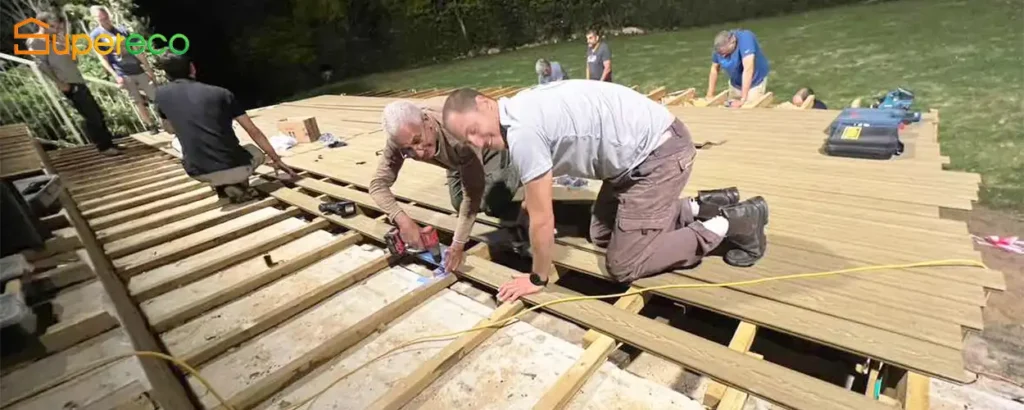
Table of Contents Installing composite decking seems simple at first glance, but doing it the right way ensures your deck stays stable, attractive, and long-lasting. In this guide, we’ll walk you through How to install WPC Decking using practical steps that feel natural and easy to follow, even if you’re new to decking projects. Understanding WPC Decking What Is WPC Decking? WPC decking, short for Wood Plastic Composite decking, is a modern outdoor flooring material made by blending recycled wood fibers and plastic. This mix results in a strong, durable, and weather-resistant board that looks like wood but performs much better in outdoor environments. Because of its low maintenance and long lifespan, WPC decking has become a top choice for homeowners looking to update patios, terraces, and garden walkways. Advantages of WPC Decking One of the biggest perks of WPC decking is that it doesn’t warp, crack, or fade easily. It’s also splinter-free, which makes it comfortable for children and pets. Unlike traditional wood decking, you won’t need to sand, stain, or paint it every year. Just basic cleaning is enough to keep it looking fresh. Plus, since it’s made from recycled materials, it offers an eco-friendly alternative to hardwood decks. Tools & Materials You Need for Installation Basic Tools Checklist Before you start installing, gather the following tools: Measuring tape Pencil or chalk for marking Spirit level Screwdriver or drill Rubber mallet Handsaw or circular saw These basics make the whole process faster and more accurate. Required Installation Accessories You’ll also need standard WPC installation accessories: Plastic or stainless steel clips Starter clips Joists (wood, metal, or composite) Fixing screws Edge trims Choosing good-quality clips and joists is key to ensuring long-term deck stability. Preparing the Ground Before Installation Assessing the Installation Area Start by clearing the area where you plan to build your deck. Remove grass, stones, or old flooring. Make sure the ground is level. A stable and flat base helps prevent future issues like board movement or uneven surfaces. Choosing the Right Base Most WPC decking can be installed on: Concrete slabs Adjustable pedestals Metal or composite substructures Whichever base you choose, make sure there’s proper drainage. Standing water under decking is a common cause of long-term problems. Step-by-Step Guide on How to Install WPC Decking Step 1 — Plan the Deck Layout Start by measuring your outdoor space. Decide the direction of the boards, usually parallel to the house for a cleaner look. Mark the layout lines using chalk. This planning step helps avoid cutting errors and reduces waste. Step 2 — Install the Joist Structure Set your joists according to the manufacturer’s recommended spacing—usually 30–35 cm apart. Use a level to ensure everything is even. Uneven joists will affect the appearance and stability of the decking boards. Step 3 — Start Installing the First Deck Board Use starter clips to secure the first board. This board is important because it sets the direction and alignment for the rest of the deck. Take your time to get it straight. Step 4 — Secure Boards with Hidden Clips Slide clips into each groove and tighten them with screws. This creates uniform spacing and a clean, screw-free surface. Continue this process until all boards are installed. Step 5 — Install Edge Trims & Final Touches Finish by adding fascia boards or edge trims. These give your deck a polished look and hide any exposed sides. Check all screws one last time to make sure everything is secure. Common Installation Mistakes to Avoid Incorrect Joist Spacing If joists are too far apart, the boards may sag over time. Always follow manufacturer spacing rules. Poor Ventilation Below Decking WPC decking needs airflow underneath. Without ventilation, moisture can build up and shorten the lifespan of the deck. FAQs About How to Install WPC Decking Do I need a concrete base for WPC decking?No, but you do need a flat and stable base. Adjustable pedestals or a metal frame also work well. Can WPC decking be installed directly on the ground?It’s not recommended because ground moisture can damage the joists over time. What spacing should I keep between boards?Most manufacturers recommend 5–7 mm for expansion and ventilation. How long does it take to install WPC decking?For a small patio, most DIY users finish in one to two days. Is WPC decking waterproof?It’s water-resistant, but proper drainage underneath is still important. Can I cut WPC boards like wood?Yes. A standard handsaw or circular saw works fine. Conclusion Learning How to install WPC Decking isn’t as complicated as it may seem. With the right tools, proper planning, and a steady approach, you can build a strong and beautiful deck that lasts for years. Take your time, avoid common mistakes, and enjoy the rewarding experience of building your own outdoor space. Related Articles Recommended Products WPC DECKING Co-extrusion WPC DECKING Traditional

How to Install WPC Decking?7 Best Steps to Perfectly Read More »

WPC Decking - The Foundation of Outdoor Living

Comparing WPC Decking, Fencing & Wall Panels: What are the Uses & Benefits?

WPC (Wood-Plastic Composite) has revolutionized outdoor and interior design, offering a superior alternative to traditional wood, vinyl, and metal. But with products like decking, fencing, and wall panels available, how do you know which is right for your project? While they share core benefits like durability, low maintenance, and eco-friendliness, each is engineered for a specific purpose. This guide breaks down the uses, benefits, and key differences to help you make an informed decision. 1. The Core Benefits They All Share Before diving into their differences, it’s crucial to understand the universal advantages that make WPC a standout material:Low Maintenance: No annual staining, sealing, or painting. A simple clean with soap and water is all they need.Durability: Highly resistant to rot, mold, termites, and moisture, ensuring a long lifespan.Weather & UV Resistant: Specially formulated to withstand sun, rain, and extreme temperatures without warping or fading.Eco-Friendly: Made from a blend of recycled wood fibers and plastics, reducing waste and deforestation.Aesthetic Appeal: Offers the beautiful, natural look of wood without any of the drawbacks. 2. WPC Decking: The Foundation of Outdoor Living WPC decking is designed to be walked on. It’s engineered for structural strength, slip resistance, and comfort underfoot. Primary Use: Creating outdoor flooring surfaces like patios, pool decks, balconies, and rooftop terraces. Key Features: Thicker Profile: Typically 25-35mm thick to provide a sturdy, stable walking surface. Textured Surface: Often has an embossed wood grain or non-slip texture for safety, especially when wet. Hidden Fastening Systems: Many systems use concealed clips for a clean, seamless look with no visible screws. Ideal For: Homeowners who want a beautiful, splinter-free outdoor living room that requires minimal upkeep. 3. WPC Fencing: Privacy, Security, and Style WPC fencing is engineered for privacy, wind resistance, and perimeter definition. It stands upright and is built to withstand lateral forces. Primary Use: Creating private, secure boundaries for yards, gardens, pools, and commercial properties. Key Features: Structural Posts: Requires sturdy posts set in concrete to ensure stability and longevity. Panel Design: Often comes in pre-assembled panels for easier installation or as individual boards for a custom look (e.g., board-on-board for full privacy). Varied Heights: Available in different heights (typically 4-6 feet) to meet privacy and local code requirements. Ideal For: Anyone seeking a durable, no-maintenance alternative to a wooden fence that offers complete privacy and enhances curb appeal. 4. WPC Wall Panels: The Versatile Cladding Solution WPC wall panels (or SWPC panels) are designed for vertical cladding on both interiors and exteriors. They are about aesthetics and protection for walls. Primary Use: Enhancing exterior facades, creating accent walls indoors, covering balcony perimeters, and providing waterproof cladding in wet areas like bathrooms. Key Features: Thinner Profile: Generally thinner (8-20mm) than decking boards as they don’t need to support foot traffic. Diverse Finishes: Available in a huge range of styles, from realistic wood grain to smooth, modern finishes. Lightweight & Easy to Install: Easier to handle and cut than many traditional cladding materials, often attaching directly to battens. Ideal For: Modernizing a home’s exterior, creating a feature wall without drywall, or adding a waterproof surface to bathrooms and kitchens. 5. Can You Mix and Match? Creating a Cohesive Outdoor Oasis Absolutely! One of the greatest advantages of WPC is the ability to create a unified design language across your entire property. The Perfect Combo: Use WPC decking for your patio, WPC fencing for privacy around the perimeter, and WPC wall panels to clad a nearby exterior wall or garden shed. Design Tip: Choose the same color across all three products (e.g., a modern grey or warm brown) to create a seamless, professionally designed outdoor environment that flows together beautifully. 6. How to Choose the Right Product for Your Project Use this simple checklist to guide your decision: For a horizontal surface you walk on (ground-level or elevated): Choose WPC Decking. For a vertical structure to define a boundary or create privacy: Choose WPC Fencing. For a vertical surface on a building (interior or exterior) for aesthetics and protection: Choose WPC Wall Panels. Ready to transform your space? Explore our collections to find the perfect WPC decking, fencing, and wall panels to bring your vision to life.

Comparing WPC Decking, Fencing & Wall Panels: What are the Uses & Benefits? Read More »

Comparing WPC Decking Fencing & Wall Panels Uses & Benefits

Comparing WPC Decking, Fencing & Wall Panels: Uses & Benefits

What Is WPC and How Does It Compare Across Applications? Wood Plastic Composite (WPC) blends wood fibers or flour with thermoplastics such as polyethylene or polypropylene.It’s commonly used for decking, fencing, and wall panels due to its durability, low maintenance, and ability to mimic natural wood.WPC Decking: Engineered for outdoor flooring. It’s weather-resistant, slip-resistant, resists rot and insects, and typically lasts 20–30+ years HOSUNG WPC Composite.WPC Fencing: Vertical panels offering privacy and perimeter protection. Resistant to extreme weather, fading, and insects, with lifespans of 20–30 years.WPC Wall Panels (cladding): Used for decorating or protecting interior/exterior surfaces. Waterproof, insect‑proof, low maintenance, and fire‑resistant. Benefits of WPC Decking, WPC Fencing & WPC Wall Panels Common Advantages Longevity & Durability: All three resist rot, decay, insects, and withstand UV exposure and moisture.Low Maintenance: No painting, staining, or sealing needed—just simple cleaning with soap and water.Eco‑Friendly: Made from recycled plastics and wood fibers, often recyclable, and lower in VOC emissions. Specific Advantages by Application Decking: Slip-resistant surfaces, high load capacity, and UV protection make it great for patios and poolside environments.Fencing: Offers a natural wood‑like aesthetic, excellent impact resistance, and styles ranging from classic wood grain to modern finishes. Benefits of WPC Decking, WPC Fencing & WPC Wall Panels Common Advantages Longevity & Durability: All three resist rot, decay, insects, and withstand UV exposure and moisture.Low Maintenance: No painting, staining, or sealing needed—just simple cleaning with soap and water.Eco‑Friendly: Made from recycled plastics and wood fibers, often recyclable, and lower in VOC emissions. Specific Advantages by Application Decking: Slip-resistant surfaces, high load capacity, and UV protection make it great for patios and poolside environments.Fencing: Offers a natural wood‑like aesthetic, excellent impact resistance, and styles ranging from classic wood grain to modern finishes.Wall Panels: Fire‑resistant (self‑extinguishing), moisture‑proof, and flexible design options for both interior and exterior use. Use Cases & Choosing the Right Product for Your Project When to Choose WPC Decking For terraces, patios, balconies, or garden decks requiring durable, water‑resistant surfaces.Ideal when slip-resistance and long-term performance are priorities. When to Choose WPC Fencing For privacy boundaries, garden screening, or property perimeters.Choose fencing when aesthetic appeal, low maintenance, and weather resilience are essential. When to Choose WPC Wall Panels For external building facades, cladding, or interior feature walls.Great when decorative finishes, fire rating, and minimal upkeep matter most. Choosing the Right WPC Product Climate / weather exposure: Decking and fencing must handle moisture and sunlight—select materials with UV stabilizers and water resistance.Maintenance limits: All WPC types excel, but decking/fencing avoid paint‑upkeep entirely.Aesthetic goals: Deck boards, fence slats, or wall cladding can all mimic wood—in varied grains and finishes.Budget considerations: Initial cost is higher than timber, but lifespan and minimal care deliver better overall ROI.

Comparing WPC Decking, Fencing & Wall Panels: Uses & Benefits Read More »

WPC Decking vs. Traditional Wood: Which is Better?

When planning an outdoor deck, choosing the right material is crucial for durability, aesthetics, and maintenance. Outdoor WPC decking (Wood-Plastic Composite) has gained popularity as a modern alternative to traditional wood, but how does it compare? This guide explores the key differences, benefits, and drawbacks of both materials to help you make an informed decision. 1. Durability & Longevity: Which Lasts Longer? WPC DeckingHighly durable – Resists rot, mold, termites, and moisture damage, making it ideal for humid climates.UV-resistant – Won’t fade or warp under prolonged sun exposure.Lifespan: 20+ years with minimal maintenance.Traditional Wood DeckingProne to decay – Requires regular sealing to prevent rot and insect damage.Warping & cracking – Expands and contracts with temperature changes, leading to structural issues over time.Lifespan: 10–15 years with proper care.Verdict: WPC decking wins for long-term durability with no risk of rot or insect infestation. 2. Maintenance & Upkeep: Which is Easier to Maintain? WPC DeckingNo staining or sealing needed – Simply clean with soap and water.No splintering – Safe for barefoot walking, ideal for pool decks.Low upkeep – No sanding or refinishing required.Traditional Wood DeckingHigh maintenance – Needs annual sealing, sanding, and staining to prevent weathering.Prone to splinters – Requires sanding to maintain a smooth surface.Verdict: WPC decking is the clear winner for low-maintenance outdoor living. 3. Cost & Environmental Impact: Which Offers Better Value? WPC DeckingHigher upfront cost but lower lifetime expenses (no staining, sealing, or repairs).Eco-friendly – Made from recycled wood fibers and plastic, reducing deforestation.Traditional Wood DeckingCheaper initially but higher long-term costs (maintenance, replacements).Environmental concerns – Contributes to deforestation unless using sustainably sourced wood.Verdict: While wood is cheaper upfront, WPC decking provides better long-term value and sustainability. Final Decision: Which Should You Choose? If you want a low-maintenance, long-lasting, and eco-friendly deck, WPC decking is the superior choice. However, if you prefer the natural look of wood and don’t mind regular upkeep, traditional wood may suit you—though it won’t last as long.Ready to upgrade your outdoor space? Explore premium Outdoor WPC Decking options for a beautiful, hassle-free deck!

WPC Decking vs. Traditional Wood: Which is Better? Read More »

WPC Decking, Fence & Wall Panels: The Complete Outdoor Solution

Transform your outdoor spaces with WPC (Wood-Plastic Composite) products—the ultimate combination of durability, style, and sustainability. Whether you’re building a deck, fence, or wall cladding, WPC materials offer long-lasting performance with minimal maintenance.This guide explores how WPC decking, fencing, and wall panels work together to create a cohesive, weather-resistant, and beautiful outdoor living space. 1. Why Choose WPC for Your Outdoor Projects? WPC products are revolutionizing outdoor construction with superior benefits over traditional wood, vinyl, and metal:All-Weather Resistance – Withstands rain, UV rays, and extreme temperatures without warping or fading.Low Maintenance – No need for painting, staining, or sealing—just occasional cleaning.Eco-Friendly – Made from recycled wood fibers and plastic, reducing environmental impact.Pest & Rot Proof – Unlike wood, WPC resists termites, mold, and decay.Aesthetic Versatility – Available in wood-like finishes, modern textures, and customizable colors.Whether for residential backyards, commercial landscapes, or poolside areas, WPC provides a seamless, high-performance solution. 2. How WPC Decking, Fencing & Wall Panels Work Together WPC Decking – The Foundation of Outdoor LivingIdeal for patios, balconies, and pool decks due to slip-resistant surfaces.Complements fencing and wall panels for a unified design.WPC Fencing – Privacy & SecurityPerfect for garden borders, pool enclosures, and front yards.Matches decking and wall panels for a cohesive outdoor aesthetic.WPC Wall Panels – Stylish & Functional CladdingUsed for exterior facades, privacy screens, and accent walls.Enhances durability while blending with decking and fencing.Pro Tip: Use matching color schemes across all three for a harmonious outdoor design. 3. Installation & Maintenance Tips for Longevity Installation Best PracticesPrepare a Solid Base – Ensure proper drainage and support for decking and fencing.Use Weatherproof Fasteners – Stainless steel screws or hidden clips prevent rust.Allow Expansion Gaps – Prevents warping due to temperature changes.Maintenance Made EasyAnnual Cleaning – Use mild soap and water for decking, fences, and panels.Inspect for Loose Parts – Tighten screws or clips if needed.Avoid Harsh Chemicals – Bleach or solvents can damage the surface. WPC decking, fencing, and wall panels provide the perfect trifecta for durable, stylish, and low-maintenance outdoor spaces. By choosing WPC, you invest in long-term beauty and functionality without the hassles of traditional materials.Ready to upgrade your outdoors? Explore SuperEco’s WPC collection for premium-quality decking, fencing, and wall panels!

WPC Decking, Fence & Wall Panels: The Complete Outdoor Solution Read More »

Why Choose WPC Decking? Benefits & Installation Guide

WPC (Wood-Plastic Composite) decking has become a popular choice for homeowners, builders, and architects looking for a durable, low-maintenance, and eco-friendly alternative to traditional wood decking. In this guide, we’ll explore the key benefits of WPC decking, compare it to other materials, and provide a step-by-step installation guide to help you make an informed decision. 1. Key Benefits of WPC Decking WPC decking offers numerous advantages over traditional wood and other composite materials. Here’s why it’s a top choice for outdoor spaces:Durability & Longevity – Unlike wood, WPC decking resists rot, mold, termites, and moisture damage, ensuring a longer lifespan.Low Maintenance – No need for sanding, staining, or sealing—just occasional cleaning with soap and water.Eco-Friendly – Made from recycled wood fibers and plastic, reducing deforestation and waste.Slip-Resistant & Safe – Ideal for pool areas and wet climates due to its textured, non-slip surface.Aesthetic Appeal – Available in various colors and finishes that mimic real wood without fading or warping.Weather Resistance – Withstands extreme temperatures, UV rays, and heavy foot traffic without cracking.By choosing WPC decking, you invest in a long-lasting, sustainable, and stylish outdoor solution. 2. WPC Decking vs. Traditional Wood & PVC Decking Before making a decision, it’s essential to compare WPC decking with other popular options:WPC vs. Wood DeckingWood requires frequent sealing and is prone to splintering, warping, and insect damage.WPC is virtually maintenance-free and lasts 2-3 times longer than natural wood.WPC vs. PVC DeckingPVC is 100% plastic, making it less eco-friendly and sometimes slippery when wet.WPC has a more natural wood-like appearance and better slip resistance.Winner? WPC decking strikes the perfect balance between durability, aesthetics, and sustainability. 3. Step-by-Step WPC Decking Installation Guide Installing WPC decking is straightforward, even for DIY enthusiasts. Follow these steps for a seamless setup:Tools & Materials NeededWPC decking boardsJoists & support beamsScrews (stainless steel or composite-specific)Measuring tape, level, drill, sawInstallation Steps1.Prepare the Foundation – Ensure a solid, level base (concrete, gravel, or existing deck frame).2.Install Joists – Space them 12-16 inches apart for optimal support.3.Start Laying Boards – Begin at one edge, leaving a small gap for expansion.4.Secure the Boards – Use hidden clips or screws designed for WPC.5.Trim & Finish – Cut the final board to fit, then add edge trims for a polished look.Pro Tip: Follow the manufacturer’s spacing guidelines to prevent warping due to thermal expansion. 3. Step-by-Step WPC Decking Installation Guide Installing WPC decking is straightforward, even for DIY enthusiasts. Follow these steps for a seamless setup:Tools & Materials NeededWPC decking boardsJoists & support beamsScrews (stainless steel or composite-specific)Measuring tape, level, drill, sawInstallation Steps1.Prepare the Foundation – Ensure a solid, level base (concrete, gravel, or existing deck frame).2.Install Joists – Space them 12-16 inches apart for optimal support.3.Start Laying Boards – Begin at one edge, leaving a small gap for expansion.4.Secure the Boards – Use hidden clips or screws designed for WPC.5.Trim & Finish – Cut the final board to fit, then add edge trims for a polished look.Pro Tip: Follow the manufacturer’s spacing guidelines to prevent warping due to thermal expansion. WPC decking is a smart investment for anyone seeking a low-maintenance, durable, and beautiful outdoor living space. Whether you’re building a new deck or upgrading an old one, WPC offers superior performance without the hassle of traditional wood.Ready to explore WPC decking options? Check out SuperEco’s premium WPC decking collection for top-quality materials!

Why Choose WPC Decking? Benefits & Installation Guide Read More »

Why choose WPC Decking flooring for Poolside and Waterfront?

Why choose WPC Decking flooring for Poolside and Waterfront?

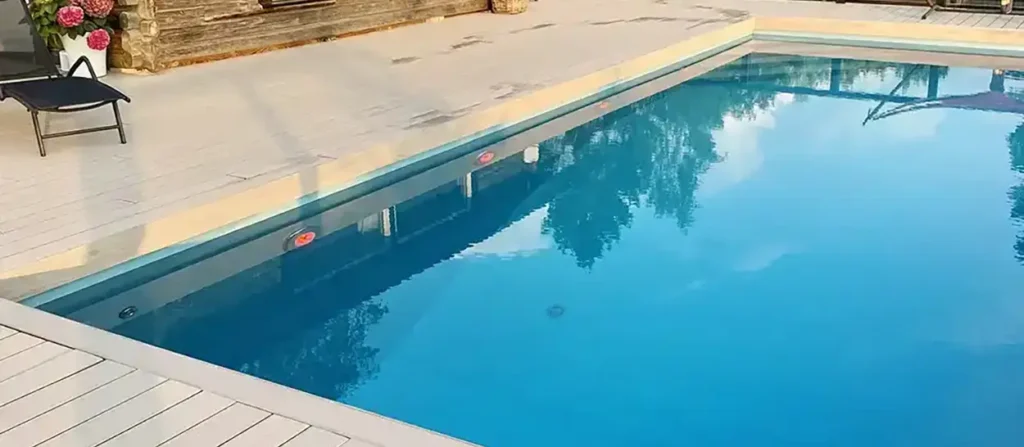
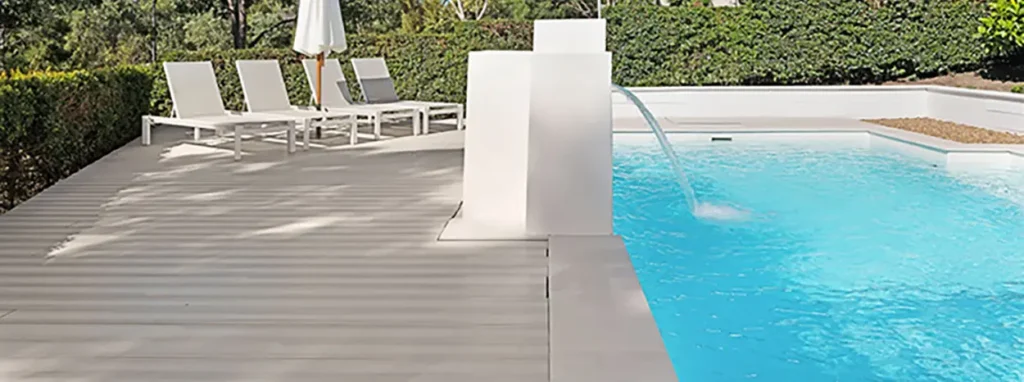
WPC decking is an excellent choice for poolside and waterfront areas due to its unique combination of durability, safety, and low maintenance. Here’s why WPC is ideal for these environments and how to maintain it: Why WPC is Ideal for Water-Adjacent Areas Water Resistance Moisture Resistance: WPC decking is highly resistant to moisture, making it ideal for areas that are frequently exposed to water. Unlike traditional wood, it does not absorb water, which prevents swelling, warping, and rot.Mold and Mildew Resistance: The composite material is less prone to mold and mildew growth, which is common in wet environments. Durability UV Resistance: High-quality WPC decking is designed to withstand UV rays, preventing fading and degradation from prolonged sun exposure.Temperature Tolerance: WPC decking can endure temperature fluctuations without cracking or splitting, making it suitable for various climates. Safety Slip-Resistant Finishes: Many WPC decking products come with textured or slip-resistant finishes, providing better traction and reducing the risk of slips and falls, especially when the surface is wet.Splinter-Free Surface: The smooth, splinter-free surface of WPC decking is safer for bare feet, which is particularly important around pools. Low Maintenance Easy to Clean: WPC decking can be easily cleaned with soap and water, making it simple to maintain a hygienic and attractive surface.No Need for Staining or Sealing: Unlike wood, WPC decking does not require regular staining, sealing, or painting to maintain its appearance and performance. Slip-Resistant Finishes Textured Surfaces: Many WPC decking options feature textured surfaces that enhance grip and reduce the likelihood of slipping.Special Coatings: Some products include special non-slip coatings that provide additional safety in wet conditions.Patterned Designs: Certain WPC decking designs incorporate patterns that not only add to the aesthetic appeal but also improve traction. Maintenance of Poolside WPC Decks Regular Cleaning Routine Washing: Regularly wash the deck with a mild detergent and water to remove dirt, debris, and any pool chemicals that may have splashed onto the surface.Stain Removal: For any stains, use a soft brush and a mild cleaner. Avoid harsh chemicals that could damage the composite material. Preventative Measures Furniture Pads: Use pads under furniture legs to prevent scratching and indentations on the deck surface.Mats and Rugs: Place mats or rugs in high-traffic areas to reduce wear and tear. Seasonal Maintenance Inspect for Damage: Periodically inspect the deck for any signs of damage or wear. Address any issues promptly to prevent further deterioration.Clear Debris: Keep the deck clear of leaves, dirt, and other debris that can accumulate and cause staining or mold growth. Avoid Harsh Chemicals Pool Chemicals: Be mindful of pool chemicals that may splash onto the deck. Rinse the area with water to dilute and remove any chemical residue.Cleaning Agents: Use only recommended cleaning agents to avoid damaging the composite material. WPC decking is an ideal choice for poolside and waterfront areas due to its water resistance, durability, safety features, and low maintenance requirements. By choosing WPC decking with slip-resistant finishes and following a regular maintenance routine, you can ensure a safe, attractive, and long-lasting outdoor space.

Why choose WPC Decking flooring for Poolside and Waterfront? Read More »

What are the Innovative Landscaping Applications of WPC Decking

What are the Innovative Landscaping Applications of WPC Decking?

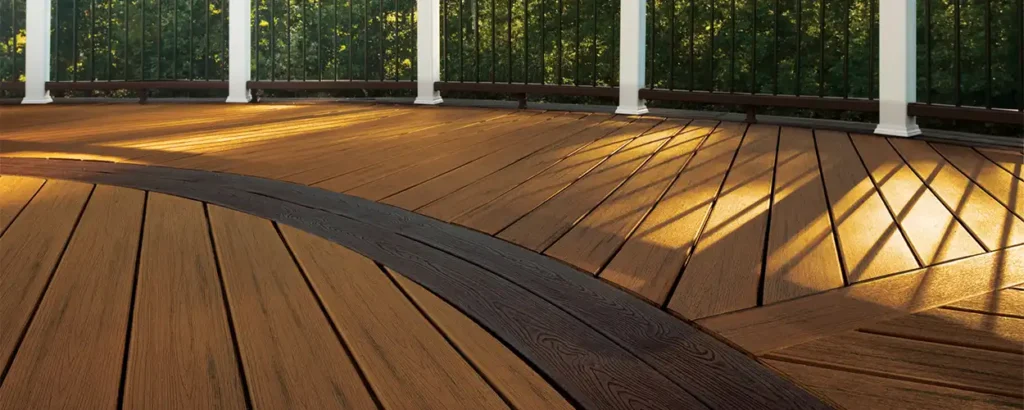
Wood-Plastic Composite (WPC) decking has emerged as a game-changer in modern landscaping. Offering the beauty of natural wood combined with the durability of advanced composite materials, WPC decking delivers sustainable, versatile, and low-maintenance solutions for a wide range of outdoor applications. 1. Patios and Decks WPC decking is the perfect choice for patios and decks due to its durability and aesthetic appeal.Design Flexibility: WPC decking comes in a variety of colors, textures, and finishes, from classic wood grain to contemporary minimalist designs, allowing homeowners to create custom looks that blend seamlessly with their architecture.Durability: Unlike traditional wood, WPC resists warping, cracking, and splintering, making it ideal for high-traffic patio areas. Its resistance to UV damage ensures colors remain vibrant for years.Added Features: The material supports the integration of built-in seating, planters, and fire pits, transforming patios into multifunctional outdoor living spaces. 2. Garden Walkways Garden walkways crafted from WPC decking combine functionality with style, creating durable paths that enhance any landscape.Weather Resistance: WPC decking is resistant to moisture, mold, and mildew, ensuring garden walkways remain safe and attractive even in rainy or humid climates.Eco-Friendly Appeal: Many WPC products use recycled materials, making them a sustainable choice for environmentally conscious designs.Creative Patterns: The versatility of WPC allows for intricate patterns such as chevron, herringbone, or alternating planks to add a unique flair to walkways. 3. Outdoor Entertainment Areas WPC decking elevates outdoor entertainment areas with its modern design and robust performance.Seamless Integration: WPC materials can be used for flooring, railing, and decorative walls, creating a cohesive and polished look for outdoor kitchens, lounges, or dining areas.Low Maintenance: Unlike traditional wood, WPC decking requires no staining or sealing. A simple cleaning with soap and water keeps it looking fresh, making it an ideal choice for busy households.Comfort Underfoot: WPC decking remains splinter-free and comfortable, even in bare feet, making it perfect for spaces where people gather and relax. 4. Poolside and Waterfront Decking WPC decking is a popular choice for poolside and waterfront areas due to its resistance to water and wear.Slip Resistance: Many WPC decking products feature textured surfaces that provide excellent slip resistance, enhancing safety in wet environments.Longevity: With its high resistance to rot, decay, and insects, WPC decking outlasts traditional wood in humid and aquatic settings.Aesthetic Versatility: WPC blends effortlessly with natural stone, glass railings, or tropical landscaping, creating luxurious and inviting poolside or waterfront retreats. By combining aesthetic versatility with durability and sustainability, WPC decking opens up a world of possibilities for innovative landscaping applications. Its ability to transform outdoor spaces into functional, elegant, and low-maintenance environments makes it a preferred choice for homeowners and designers alike.

What are the Innovative Landscaping Applications of WPC Decking? Read More »

WPC Decking Co-extrusion-banner

Co-Extrusion Wood Plastic Composite (WPC) Decking – Transforming Your Outdoor Space

Introduction to Co-Extrusion WPC Decking An outdoor deck is more than just a place to relax; it’s an extension of your home, connecting you with nature and providing a space to entertain, unwind, and enjoy the outdoors. Choosing the right material for your decking is crucial, as it will determine the durability, aesthetics, and overall performance of your outdoor space. Co-Extrusion Wood Plastic Composite (WPC) decking has emerged as a game-changing solution for homeowners and commercial projects alike, blending beauty with functionality to create a deck that lasts. How Co-Extrusion Technology Works 1. The Co-Extrusion Process ExplainedCo-extrusion is an advanced technology that involves layering materials together to create a composite decking board. In the case of WPC decking, this means bonding a high-strength core of recycled wood fibers and plastic with a protective outer shell. This outer shell, made from polymer materials, provides enhanced resistance to weather, stains, and fading, ensuring that the decking looks as good as new for years.2. Core Components of Co-Extrusion WPC DeckingThe core of co-extrusion WPC decking is typically made from a combination of recycled wood fibers and plastic. This mix gives the decking both strength and flexibility, while the outer shell, also referred to as the “cap,” offers protection from external elements. The combination of these two materials is what makes co-extrusion WPC decking so durable. 3. Differences Between Traditional and Co-Extrusion WPCWhile traditional WPC decking already offers durability, co-extrusion takes it a step further. The outer shell in co-extrusion WPC decking protects the inner core from UV radiation, moisture, and mold, which can degrade traditional WPC over time. This makes co-extrusion WPC a superior choice for long-term outdoor applications. Key Features of Co-Extrusion WPC Decking 1. Enhanced Durability and StrengthOne of the standout features of co-extrusion WPC decking is its incredible durability. The combination of wood fibers and plastic creates a sturdy material that resists cracking, splintering, and warping. The outer shell further protects the deck from moisture and other environmental factors.2. UV Resistance and Fade ProtectionExposure to sunlight can cause many outdoor materials to fade or degrade. However, the polymer cap on co-extrusion WPC decking is UV-resistant, ensuring that your deck maintains its vibrant color even after years of exposure to the elements. 3. Slip Resistance and SafetySafety is a key concern for any outdoor space, especially when the deck is exposed to moisture. Co-extrusion WPC decking is designed with slip resistance in mind, making it a safer option for poolside decks, patios, and other high-traffic areas.4. Weather Resistance (Rain, Snow, Humidity)Whether your deck is in a rainy, snowy, or humid environment, co-extrusion WPC decking is up to the challenge. The outer shell prevents water from penetrating the surface, protecting the deck from mold, mildew, and rot.

Co-Extrusion Wood Plastic Composite (WPC) Decking – Transforming Your Outdoor Space Read More »

Scroll to Top