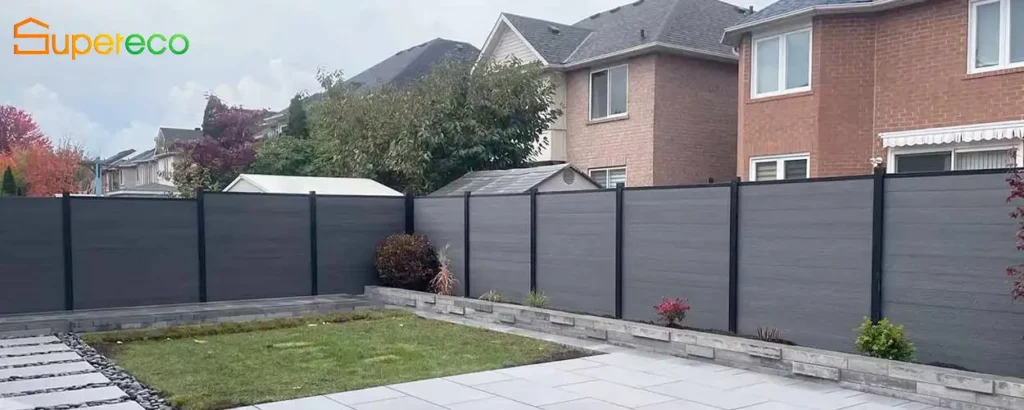
WPC Fence

wpc fence for commercial properties

WPC Fence for Commercial Properties: Improve Security & Aesthetic Appeal

Table of Contents When it comes to defining the exterior identity of a commercial property — whether it’s an office campus, industrial park, school, or retail complex — perimeter fencing is more than a boundary line. It’s a statement of security, durability, and professionalism. In recent years, WPC fence and WPC fence panels have emerged as leading choices for project planners and facility managers who demand high performance without compromise. Why Commercial Properties Are Choosing WPC Fence Solutions Commercial environments have unique challenges that ordinary wood or metal fencing simply can’t handle long-term: 1. Long-Term Durability Unlike traditional wood, WPC (Wood-Plastic Composite) does not rot, warp, or splinter. Composite materials are engineered to resist moisture, UV exposure, and temperature swings — essential for outdoor fencing that must perform year after year. 2. Superior Security Performance Unlike traditional wood, WPC (Wood-Plastic Composite) does not rot, warp, or splinter. Composite materials are engineered to resist moisture, UV exposure, and temperature swings — essential for outdoor fencing that must perform year after year. 3. Low Maintenance = Lower Lifecycle Cost A frequent concern for property managers is maintenance. Unlike metal fences that may rust or wood fences that require staining and sealing, WPC fences are virtually maintenance-free. Rainwater, humidity, and pests become irrelevant, significantly reducing long-term maintenance expenses. Functional and Aesthetic Advantages of WPC Fence Panels Durability Meets Design Great fencing needs to do more than just stand up to the elements — it needs to look good doing it. WPC fence panels deliver: Clean, modern lines ideal for commercial spaces Multiple finish options mimicking natural wood grain Uniform appearance across large installations This makes WPC a favorite for businesses that care about both security and curb appeal. Noise Reduction and Privacy For commercial properties near busy streets or high-traffic areas, privacy fencing plays a functional role in controlling ambient noise and visual distraction. Solid WPC fence panels create effective barriers without gaps, enhancing acoustic control. Flexible Customization From height adjustments to color choices and hardware options, WPC fencing systems can adapt to branding needs and architectural contexts. Facility planners can specify panel dimensions and finishes that meet both performance requirements and visual identity goals. Installation Insights: What Facilities Managers Should Know Installing a WPC fence is typically faster and cleaner than traditional fencing materials. Typical steps include: Site Survey & Planning: Assess terrain, slope, and boundary lines Post Setting: Secure posts in concrete for maximum stability Panel Mounting: Affix WPC fence panels between posts Final Trim and Hardware Installation: Ensure clean finishes and level alignment Following professional fence installation guidelines ensures a reliable, long-lasting result. Comparing WPC with Other Fencing Materials Feature WPC Fence Wood Fence Metal Fence Weather Resistance ★★★★★ ★★☆☆☆ ★★★★☆ Maintenance ★★★★★ ★☆☆☆☆ ★★★☆☆ Security ★★★★☆ ★★☆☆☆ ★★★★★ Aesthetic Options ★★★★☆ ★★★☆☆ ★★☆☆☆ Lifecycle Cost ★★★★☆ ★★☆☆☆ ★★★☆☆ WPC fence panels strike a balance between aesthetics, durability, and cost, making them especially attractive for commercial use. Real-World Applications of WPC Fencing Corporate Campuses Define property lines clearly while reinforcing corporate branding with color-coordinated fencing. Industrial Facilities Resist chemical exposure and heavy weather conditions where other materials might corrode. Retail Complexes Enhance security without creating a fortress-like impression — attractive fencing builds trust. Institutional Projects School campuses and healthcare facilities benefit from the privacy and low maintenance that WPC fencing provides. How to Evaluate WPC Fencing for Your Next Project Before selecting fencing for your next commercial project, consider: Environmental conditions (salt air, humidity, extreme sunlight) Security level requirements Maintenance budget over time Aesthetic requirements Integration with landscaping and architecture Working with experienced commercial fencing partners ensures specifications match performance expectations. Final Thoughts In today’s competitive built environment, your choice of perimeter materials speaks volumes. WPC fence systems and WPC fence panels offer a future-proof solution that meets the evolving needs of commercial properties — from high security and low maintenance to customizable aesthetics. If you’re planning a new installation or upgrading an aging fence line, WPC fencing deserves serious consideration as your next commercial fencing solution. FAQ 1. Is WPC fencing suitable for high-security sites? Yes — when engineered properly with reinforced structure, WPC fence panels can meet stringent security criteria. 2. How does WPC compare cost-wise to wood or metal? While initial costs may be higher than wood, WPC’s low maintenance and long lifespan often result in better total value. 3. Can WPC fence panels be painted? Many WPC options come in finished colors and are designed to avoid repainting, though some can be surface-coated if required. 4. How long does WPC fencing last? With proper installation, WPC fencing can last 15+ years with minimal upkeep. 5. Does WPC fencing resist termites and pests? Yes, the composite makeup is pest-resistant compared to natural wood. 6. Are WPC panels recyclable? Many manufacturers offer eco-friendly production and recyclable composite materials.

WPC Fence for Commercial Properties: Improve Security & Aesthetic Appeal Read More »

WPC Fence Benefits - Why It’s the Best Choice for Your Yard

WPC Fence Benefits: Why It’s the Best Choice for Your Yard

1. Unmatched Durability & Weather Resistance WPC (Wood-Plastic Composite) fencing is engineered to last decades without rotting, warping, or attracting pests—unlike traditional wood fencing. Key Advantages: No Rot or Termites – Unlike wood, WPC resists moisture and insects, ensuring a 20+ year lifespan. UV-Resistant – Special additives prevent fading and cracking under intense sunlight. All-Weather Performance – Withstands -40°C to 60°C, making it ideal for extreme climates. Best For: Coastal homes, humid regions, and areas with heavy rainfall. 2. Low Maintenance & Easy Installation Unlike wood fences that require annual staining and sealing, WPC fencing only needs occasional cleaning with soap and water. Installation Benefits: Modular Panels – Many WPC fences come in pre-assembled sections for DIY-friendly setup. No Painting Needed – Retains color without refinishing. Minimal Repairs – No splintering, warping, or structural weakening over time. Pro Tip: Use stainless steel screws to prevent rust and ensure long-term stability. 3. Eco-Friendly & Stylish Design Options WPC fencing is made from recycled wood fibers and plastics, reducing landfill waste and deforestation. Aesthetic & Functional Perks: Sustainable Material – Contains 60-80% recycled content. Wood-Like Finishes – Available in oak brown, gray, and custom colors to match any yard style. Versatile Applications – Perfect for privacy fences, pool barriers, and garden borders. Case Study: A study in Puerto Rico found WPC fences outperformed wood in humid, pest-prone environments. Final Verdict: Is a WPC Fence Worth It? If you want a long-lasting, low-maintenance, and eco-friendly fence, WPC is the clear winner over wood or vinyl. With minimal upkeep and superior durability, it’s a smart investment for any property.Ready to upgrade? Explore premium WPC fencing solutions today!

WPC Fence Benefits: Why It’s the Best Choice for Your Yard Read More »

WPC Fence: The Modern Alternative to Wood & Vinyl

Looking for a durable, stylish, and low-maintenance fencing solution? WPC (Wood-Plastic Composite) fencing is revolutionizing outdoor spaces by combining the best qualities of wood and vinyl—without their drawbacks. In this blog, we’ll explore why WPC fences are gaining popularity, how they compare to traditional materials, and essential maintenance tips to keep yours looking pristine for years. 1. Why WPC Fencing Outperforms Wood & Vinyl WPC fences offer a superior blend of strength, aesthetics, and sustainability, making them ideal for modern homes and commercial properties. Here’s why they stand out:No Rot or Termites – Unlike wood, WPC won’t warp, splinter, or attract pests.Zero Painting/Staining – Retains its color without fading, unlike wood that requires regular upkeep.Eco-Friendly – Made from recycled wood fibers and plastics, reducing landfill waste.Weatherproof – Resists UV rays, rain, and extreme temperatures better than vinyl.Realistic Wood Look – Mimics natural grain textures without the maintenance hassles.Whether for privacy, security, or curb appeal, WPC fencing delivers long-term value. 2. WPC vs. Wood vs. Vinyl Fences: Key Differences Before choosing a fence, compare these materials to see why WPC leads the market: Feature WPC Fence Wood Fence Vinyl Fence Durability 20+ years 10–15 years 15–20 years Maintenance Almost none High (staining, repairs) Low (but can crack) Eco-Friendliness Recycled materials Deforestation concerns Non-biodegradable plastic Cost Mid-range Low upfront (high long-term costs) High upfront Verdict: WPC offers the perfect balance of longevity, aesthetics, and affordability. 3. How to Maintain Your WPC Fence for Longevity While WPC fences require minimal upkeep, a few simple steps can extend their lifespan and beauty:Cleaning TipsRoutine Care: Wash with mild soap and water annually.Stubborn Stains: Use a soft brush or pressure washer (low setting).Avoid Harsh Chemicals: Bleach or solvents can damage the surface.Inspection & RepairsCheck for loose screws or panels yearly and tighten if needed.Ensure proper ground clearance (1–2 inches) to prevent moisture absorption.Pro Tip: Trim nearby plants to avoid moisture buildup and scratches. WPC fencing is the smart choice for homeowners who want a maintenance-free, durable, and eco-conscious alternative to wood or vinyl. With no rotting, painting, or pest issues, it’s a long-term investment that keeps your property secure and stylish.Ready to upgrade? Explore SuperEco’s WPC fencing options for premium quality and design flexibility!

WPC Fence: The Modern Alternative to Wood & Vinyl Read More »

What are the Innovative Applications of WPC Fence

What are the Innovative Applications of WPC Fence?

Wood-Plastic Composite (WPC) fences have rapidly gained popularity due to their durability, eco-friendliness, and versatile design options. Beyond traditional boundary installations, WPC fences are being creatively utilized in various modern applications, redefining outdoor and interior spaces. Below are some innovative uses of WPC fences. 1. Decorative Privacy Panels Enhancing Privacy with StyleWPC fences are an excellent choice for creating decorative privacy panels. These can be used:Balcony Partitions: Separate spaces on shared balconies or terraces.Poolside Screens: Offer both privacy and a modern aesthetic.Garden Dividers: Define distinct zones within a garden.Customizable DesignsWPC panels can be crafted with intricate patterns, offering functionality while enhancing the visual appeal of any space. With a variety of finishes, they blend seamlessly with contemporary or traditional décor styles. 2. Acoustic Barriers for Noise Reduction Soundproofing Urban SpacesWPC fences are increasingly being used as acoustic barriers to reduce noise pollution in:Residential Areas: Minimize street noise for homes near busy roads.Commercial Properties: Create quiet outdoor spaces in office complexes.Public Parks: Shield playgrounds or recreational zones from traffic sounds.Why WPC for Acoustic Barriers?High Density: The composite structure effectively dampens sound waves.Durability: Resistant to weathering, ensuring long-lasting performance. 3. Vertical Gardens and Green Walls Eco-Friendly Fence ApplicationsWPC fences are being creatively transformed into vertical garden installations, offering a sustainable solution for urban gardening. Applications include:Home Gardens: Small spaces like balconies or patios.Commercial Spaces: Green walls in cafes, hotels, or office buildings.Features and BenefitsModular Design: WPC panels can accommodate planter attachments.Low Maintenance: Resistant to moisture, ensuring long-term usability. 4. Temporary Event Enclosures Portable Fencing SolutionsFor events like weddings, fairs, or exhibitions, WPC fences are being used as stylish, temporary enclosures. These fences can:Define boundaries for outdoor venues.Enhance aesthetics with customizable colors and finishes.Be assembled and disassembled with ease. 5. Playground Safety Barriers Safe and Durable for ChildrenWPC fences are ideal for playground enclosures due to their non-toxic materials and smooth finishes. Key benefits include:Child-Friendly Design: No splinters or sharp edges.Weather Resistance: Perfect for outdoor environments.Customizable Heights: Ensures safety for children of different age groups. 6. Modern Indoor Partitions Innovative Interior DesignBeyond outdoor spaces, WPC fences are being adapted for indoor use, serving as:Room Dividers: Open-plan homes or offices.Decorative Panels: Enhance interiors with textured, wood-like finishes.Retail Displays: Stylish partitions in stores or malls. The innovative applications of WPC fences extend far beyond traditional boundary marking. From privacy screens and acoustic barriers to green walls and event enclosures, WPC fences provide functionality, aesthetics, and sustainability. With their versatile designs and low maintenance, they continue to be a preferred choice for homeowners, architects, and designers seeking creative solutions for outdoor and indoor spaces.

What are the Innovative Applications of WPC Fence? Read More »

Choosing the Right WPC Fence Factors to Consider

Choosing the Right WPC Fence Factors to Consider

When it comes to enhancing the privacy, security, and aesthetic appeal of your home, a Wood-Plastic Composite (WPC) fence is an excellent choice. WPC fencing combines the natural look of wood with the durability and low-maintenance features of plastic. However, choosing the right WPC fence requires considering several factors to ensure it meets your needs, fits your budget, and complements your home’s design. Here’s a comprehensive guide to help you navigate the decision-making process. 1. Size of Your Property: The Right Height and Length The first and most important factor to consider when choosing a WPC fence is the size of your property. The right fence height and length will depend on several elements such as your yard’s dimensions, the level of privacy you desire, and your home’s architecture. Height Privacy Fencing: If privacy is a key concern, a taller fence (around 6-8 feet) is ideal. It will block the view from neighboring homes or busy streets, giving you a sense of seclusion. WPC fences are customizable, allowing you to choose the perfect height for your needs.Aesthetic Appeal: For decorative purposes, a fence of 3-4 feet in height can define boundaries without overwhelming the space. These shorter fences are ideal for gardens or front yards where privacy is less of a priority. Length Perimeter Coverage: Measure the total perimeter of the area you wish to enclose or define with your fence. The length will dictate how much material you need. Larger properties may require more panels or gates, increasing the overall cost.Specific Areas: If you’re only fencing specific sections, like a garden or pool area, focus on the length that covers just those spaces to minimize unnecessary expenditure. 2. Style and Design: Complementing Your Home’s Aesthetic WPC fencing comes in a variety of styles, colors, and finishes. Choosing a style that complements your home’s exterior is crucial for maintaining a cohesive design. Modern, Sleek Look Horizontal Slats: If you have a contemporary or minimalist home, a WPC fence with horizontal slats creates a modern, sleek appearance. Horizontal designs often evoke a sense of openness while still providing privacy. Traditional or Classic Style Vertical Panels: A more traditional vertical panel design might suit homes with a classic architectural style. These fences are straightforward but can still offer a clean, elegant look. They can also be customized with decorative accents like post caps or latticework. Natural Wood Appearance Wood-Like Finish: WPC fences often mimic the look of real wood, giving your fence the classic appeal of natural timber without the maintenance hassle. Choose from a variety of finishes like cedar, oak, or walnut for an authentic wood look that matches your home’s color scheme. Color Options Neutral Tones: If your home is painted in neutral tones (whites, grays, or beige), a WPC fence in matching neutral colors like gray, black, or brown will blend seamlessly with the environment.Bold, Statement Colors: If you want your fence to stand out and become a focal point, consider opting for bolder colors such as deep red, charcoal, or even custom shades that reflect your personal style. 3. Budget: Balancing Cost and Quality When choosing a WPC fence, your budget will play a significant role in determining the quality and scope of the materials you select. Here’s how to ensure that you get the best value for your money: Material Costs Initial Investment: WPC fences tend to be more expensive than traditional wood fences, but they offer a longer lifespan and lower maintenance costs. Expect to pay more upfront, but you’ll save in the long run due to their durability and resistance to weather, rot, and insects.Low Maintenance: Unlike wood, which requires periodic sealing, staining, or painting, WPC fences require minimal upkeep. The material is resistant to fading, mold, and mildew, reducing the cost of regular maintenance and repairs. Installation Costs DIY vs. Professional Installation: If you have some experience with home improvement projects, you can save on labor costs by installing the fence yourself. However, for larger or more complex installations, hiring a professional might be a better option. The installation cost will vary depending on the complexity of the design and your location.Shipping and Handling: Since WPC materials are often heavier than traditional wood, be sure to factor in the cost of shipping and handling, especially if your project requires a significant amount of fencing material. Long-Term Value Durability: WPC fences are highly resistant to moisture, insects, and extreme weather conditions, meaning you won’t need to replace or repair them as often as traditional wood fences. This longevity gives WPC fences a high long-term value, even though the initial cost is higher. 4. Durability and Maintenance Requirements WPC fencing is prized for its ability to withstand various environmental challenges, but it’s essential to understand the level of maintenance required to keep it looking great. Resistance to Weather and Wear Water and Moisture Resistance: WPC fences won’t warp, crack, or splinter like traditional wood, making them ideal for areas with heavy rainfall or humidity. This is especially beneficial if you live in regions prone to damp conditions.UV Protection: Many WPC fences are treated to prevent fading from sun exposure. Unlike wood fences, which can lose their color and appeal over time, WPC fences maintain their original look even when exposed to harsh sunlight. Cleaning and Care Minimal Cleaning: WPC fences require only occasional washing with soap and water to keep them looking new. The material does not absorb dirt or stains like wood, so regular cleaning is often enough to maintain its appearance.Long-Term Maintenance: Over the years, a WPC fence will need far less attention than a traditional wood fence. It won’t need to be repainted, resealed, or treated for pests, making it a low-maintenance option. 5. Climate and Environmental Considerations The climate in which you live can influence the performance and longevity of your WPC fence. Ensure that the fence material is suited to your specific environmental conditions. Hot and Sunny Climates UV-Resistant Coatings: If you live in a region with intense sun exposure,

Choosing the Right WPC Fence Factors to Consider Read More »

WPC fence

Installation Guide for WPC Fences

Preparation and Planning Before installing a WPC fence, homeowners should consider the layout, local zoning regulations, and property lines. Proper planning ensures that the installation process is smooth and meets local requirements.Step-by-Step Installation Process1.Mark the Area: Use stakes and string to outline the fence’s placement.2.Dig Post Holes: Typically, holes should be at least two feet deep, depending on the height of the fence.3.Set the Posts: Insert posts into the holes and secure them with concrete.4.Attach Panels: Once the posts are set, panels can be attached according to the manufacturer’s instructions.5.Finishing Touches: Add caps or decorative elements to complete the fence. Maintenance Tips for WPC Fences Cleaning TechniquesTo maintain the appearance of a WPC fence, it’s recommended to wash it with mild soap and water periodically. For tougher stains, a soft brush can be used without damaging the surface.Repairing DamageIf damage occurs, small scratches can often be repaired with a touch-up kit provided by the manufacturer. For more significant damage, replacement panels may be necessary. Cost Considerations Initial CostsThe upfront cost of WPC fencing can be higher than traditional wood. However, considering its longevity and low maintenance, many homeowners find it to be a worthwhile investment.Long-Term SavingsDue to its durability and reduced need for maintenance, WPC fencing can save homeowners money over time. The absence of regular staining or repairs adds to its cost-effectiveness. Environmental Impact of WPC Sustainability of MaterialsWPC is often made from recycled materials, making it a more sustainable choice compared to virgin wood. This contributes to a reduction in deforestation and environmental impact.Recycling and Disposal OptionsAt the end of its lifespan, WPC can often be recycled, reducing landfill waste and promoting a circular economy. Aesthetic Options for WPC Fences Color and Texture ChoicesWPC fencing comes in various colors and textures, allowing homeowners to customize their fences to match their home’s exterior and personal style. Options range from natural wood-like finishes to vibrant colors.Customization OptionsMany manufacturers offer customizable features, such as height adjustments, panel designs, and decorative caps, enabling homeowners to create a unique look.

Installation Guide for WPC Fences Read More »

WPC Fence Frequently Asked Questions

1. What is a WPC fence? A WPC fence is a type of fencing made from a blend of wood fibers and plastic materials, offering a durable, low-maintenance alternative to traditional wooden fences. 2. How long does a WPC fence last? WPC fences are designed to last for many years, often exceeding the lifespan of traditional wood fences. With proper maintenance, they can last 20-30 years or more. 3. Are WPC fences environmentally friendly? Yes, WPC fences are considered environmentally friendly as they are made from recycled materials and can be recycled at the end of their life. 4. Can I customize the design of my WPC fence? Absolutely! WPC fences are highly customizable, with a variety of styles, colors, and finishes available to suit your personal taste and complement your home’s exterior. 5. How do I maintain a WPC fence? WPC fences require minimal maintenance. Regular cleaning with water and a mild detergent is usually sufficient to keep them looking good. 6. Is a WPC fence more expensive than a wood fence? While the initial cost of a WPC fence may be higher than a wood fence, the long-term savings due to lower maintenance and greater durability can make it more cost-effective in the long run.

WPC Fence Frequently Asked Questions Read More »

Comprehensive Guide on WPC Fences for Residential Properties

1. Introduction to WPC Fences WPC (Wood-Plastic Composite) fences have become increasingly popular among homeowners looking to enhance the privacy, security, and aesthetic appeal of their properties. These fences are made from a combination of wood fibers and plastic, providing a durable, low-maintenance, and environmentally friendly alternative to traditional wooden fences. Ideal for enclosing yards, gardens, and pool areas, WPC fences offer both functionality and style, allowing you to create a boundary that reflects your personal taste and complements your home’s exterior. 2. History and Evolution of WPC Fences The concept of Wood-Plastic Composite (WPC) materials emerged as a response to the demand for more sustainable building products. Initially developed in the late 20th century, WPC materials have since evolved significantly. Early versions of WPC were primarily used for decking, but advances in technology and materials have expanded their application to include fencing, siding, and more. Over the years, improvements in the quality, appearance, and durability of WPC products have made them a preferred choice for many homeowners. 3. Materials Used in WPC Fences WPC fences are constructed from a blend of wood fibers, such as sawdust or wood chips, and thermoplastic materials like polyethylene, polypropylene, or polyvinyl chloride (PVC). This combination results in a product that retains the natural look and feel of wood while benefiting from the resilience and longevity of plastic. The specific ratio of wood to plastic, as well as the type of plastic used, can vary, leading to differences in the appearance, strength, and durability of the final product. 4. Benefits of WPC Fences One of the main reasons for the growing popularity of WPC fences is their impressive list of benefits. WPC fences are highly durable, withstanding the elements better than traditional wood fences. They are resistant to rot, insects, and weathering, which means they require far less maintenance. Additionally, WPC fences do not warp, crack, or splinter, ensuring a long-lasting and aesthetically pleasing boundary for your property. Their low maintenance requirements make them a cost-effective choice over time, as they do not need to be painted, stained, or treated regularly. 5. Environmental Impact of WPC Fences WPC materials are often promoted as an environmentally friendly option due to their sustainability and recyclability. Many WPC products are made from recycled wood and plastic, reducing the need for virgin materials and minimizing waste. Moreover, WPC fences can be recycled at the end of their life, contributing to a circular economy. Their longevity also means that they need to be replaced less frequently than traditional wood fences, further reducing their environmental footprint.

Comprehensive Guide on WPC Fences for Residential Properties Read More »

Enhancing Your Outdoor Space with Wood Plastic Composite (WPC) Fences

When it comes to enhancing the aesthetics and functionality of your outdoor space, a well-designed fence plays a crucial role. Wood Plastic Composite (WPC) fences have emerged as a popular choice due to their blend of natural beauty, durability, and low maintenance. In this article, we will explore the benefits and features of WPC fences, along with their applications and considerations, helping you make an informed decision for your outdoor fencing needs. Benefits and Features of WPC Fences 1. Durability Weather Resistance: WPC fences are highly resistant to various weather conditions, including rain, snow, and UV rays. This ensures they maintain their appearance and structural integrity over time.Pest Resistance: Unlike traditional wood fences, WPC fences are not susceptible to termite damage or rot, making them a long-lasting option. 2. Low Maintenance Easy Cleaning: WPC fences require minimal maintenance. A simple wash with water and mild soap is sufficient to keep them looking new.No Painting or Staining: The color and finish of WPC fences are built into the material, eliminating the need for periodic painting or staining. 3. Aesthetic Appeal Natural Look: WPC fences mimic the appearance of natural wood, providing a warm and inviting look to any outdoor space.Variety of Designs: Available in a range of colors, textures, and styles, WPC fences can complement various landscape designs and architectural styles. 4. Environmental Benefits Sustainable Material: WPC is made from a combination of recycled wood fibers and plastic, making it an eco-friendly choice.Reduced Waste: The manufacturing process of WPC utilizes recycled materials, contributing to waste reduction and environmental conservation. Applications of WPC Fences 1. Residential Properties Privacy Fencing: Ideal for creating private outdoor spaces in backyards and gardens, WPC fences provide an attractive barrier that enhances privacy.Boundary Fencing: Defines property lines while adding aesthetic value to the home’s exterior. 2. Commercial Spaces Security Fencing: Used in commercial properties to secure the perimeter and protect assets.Decorative Fencing: Enhances the visual appeal of commercial landscapes, including office parks and retail centers. 3. Public Areas Parks and Recreational Areas: Provides safe and attractive boundaries in parks, playgrounds, and other public spaces.Community Gardens: Defines garden plots and pathways, contributing to an organized and appealing community space. Considerations for Choosing WPC Fences 1. Cost Initial Investment: While WPC fences may have a higher upfront cost compared to traditional wood fences, their long-term durability and low maintenance requirements can result in cost savings over time. 2. Installation Professional vs. DIY: WPC fences are relatively easy to install, but professional installation ensures proper alignment and stability, especially for larger projects. 3. Design and Style Compatibility: Choose a design that complements your home’s exterior and landscape. Consider factors such as color, texture, and height to ensure the fence meets your aesthetic and functional needs. 4. Local Regulations Building Codes: Check local building codes and regulations before installing a WPC fence to ensure compliance with height restrictions and property line setbacks. Conclusion Wood Plastic Composite (WPC) fences offer a perfect blend of natural beauty, durability, and low maintenance, making them an excellent choice for enhancing the aesthetics and functionality of your outdoor space. Whether for residential, commercial, or public applications, WPC fences provide a long-lasting and eco-friendly solution. By considering factors such as cost, installation, design, and local regulations, you can make an informed decision that meets your specific fencing needs and enhances your outdoor environment.

Enhancing Your Outdoor Space with Wood Plastic Composite (WPC) Fences Read More »

Scroll to Top