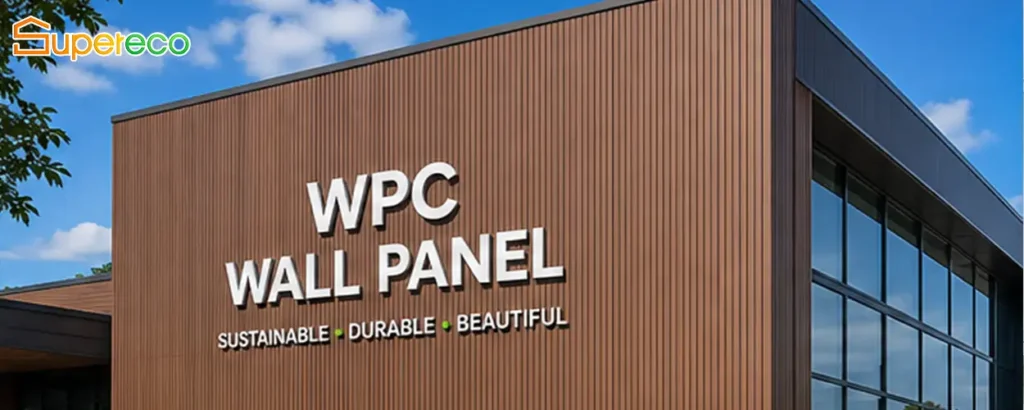
WPC Wall Panel

best applications for wpc wall panels in commercial projects

Best Applications for WPC Wall Panels in Commercial Projects

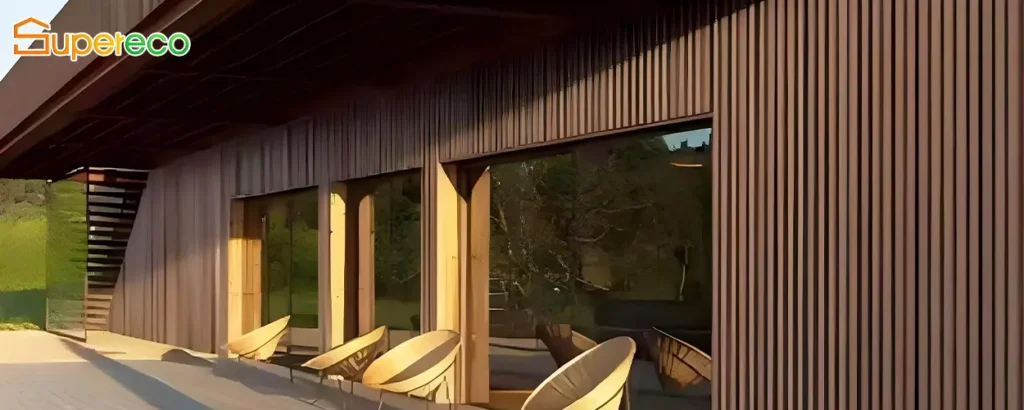
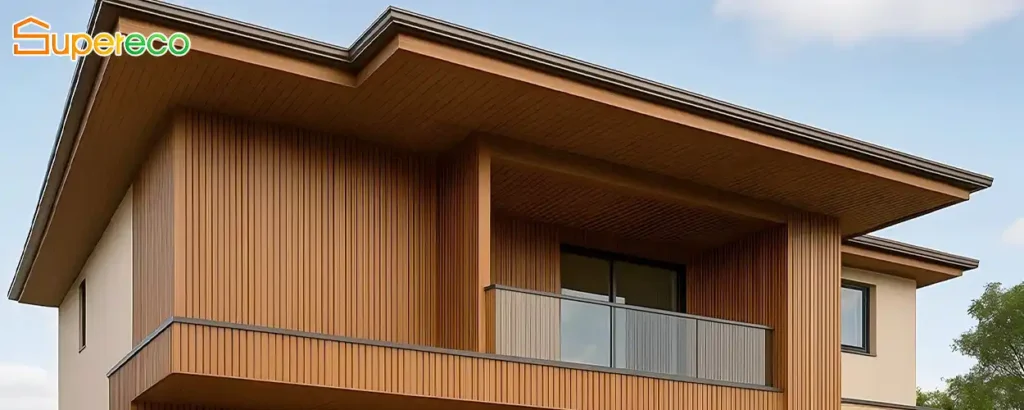
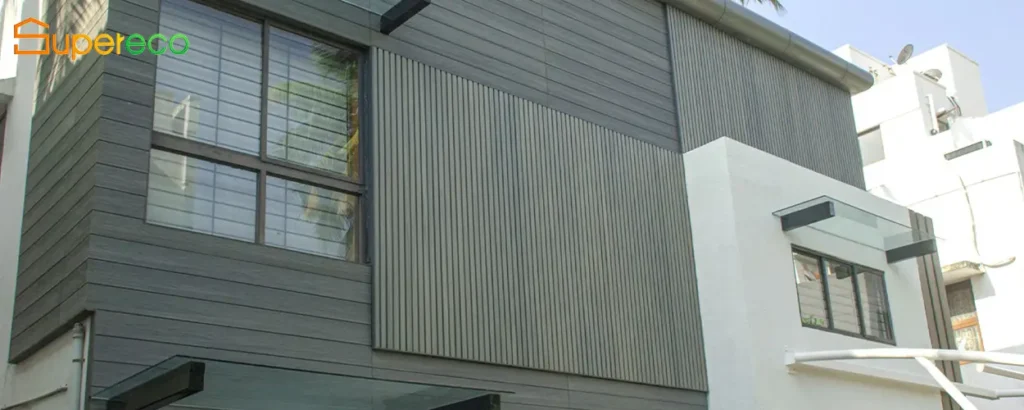
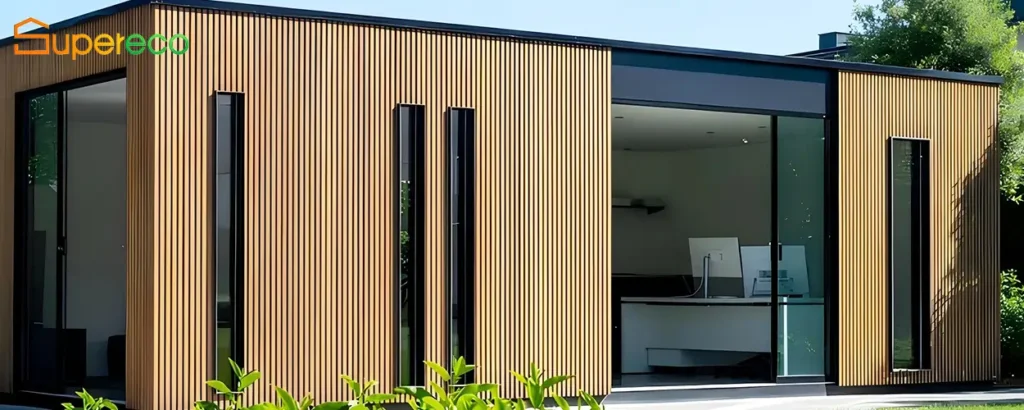
Table of Contents Introduction to WPC Wall Panel Market Trends in Europe The demand for WPC Wall Panel solutions is rapidly growing across Europe and other developed markets. Driven by sustainability regulations, lifecycle cost reduction, and aesthetic flexibility, WPC Wall Panels have become a preferred material for large-scale commercial construction. Rising Demand for WPC Wall Panels in EU Construction Across the EU, green building policies and carbon reduction targets are accelerating the adoption of composite materials. According to recent industry insights, the global WPC market is expected to grow steadily due to its eco-friendly composition and long lifespan . This makes wpc wall panel outdoor solutions especially attractive for project developers seeking compliance and long-term ROI. Why Commercial Buyers Prefer WPC Wall Panels For project contractors, wholesalers, and importers, the value lies in: Bulk consistency for large projects Reduced maintenance costs Long service life in harsh climates Strong aesthetic appeal These factors make WPC a strategic procurement choice rather than just a decorative material. What is a WPC Wall Panel? Composition and Structure A WPC Wall Panel is made from a blend of wood fibers and thermoplastics such as PE or PVC. This hybrid structure combines the natural beauty of wood with the durability of plastic . Key Features of WPC Wall Panels Waterproof and moisture-resistant UV-resistant and color stable Anti-termite and anti-rot Long lifespan with minimal deformation These properties make wpc wall panel outdoor applications highly reliable in commercial environments. Key Advantages of WPC Wall Panels for Outdoor Use Durability & Weather Resistance Outdoor materials must withstand rain, UV exposure, and temperature fluctuations. WPC panels excel here, offering resistance to moisture, fading, and cracking . Low Maintenance Cost Unlike wood, WPC requires no painting or sealing. Cleaning with water is sufficient, significantly reducing operational costs over time . Eco-Friendly Materials WPC panels are typically made from recycled materials, supporting sustainable construction and helping projects meet EU environmental standards . Fire Resistance & Safety Many WPC Wall Panels include fire-retardant additives, improving safety in public and commercial buildings. Best Applications for Outdoor WPC Wall Panels in Commercial Projects 1. Commercial Building Facades Modern office buildings increasingly use WPC Wall Panels for exterior cladding. These panels provide: A sleek, contemporary appearance Long-term durability Reduced maintenance budgets They also improve insulation and energy efficiency. 2. Hospitality Projects (Hotels & Resorts) Hotels require materials that balance aesthetics with durability. WPC panels are ideal for: Exterior walls Balcony cladding Poolside decorative walls Their resistance to moisture and UV exposure ensures long-lasting visual appeal. 3. Retail & Shopping Centers Retail environments demand visually appealing and durable materials. wpc wall panel outdoor solutions are widely used in: Mall exteriors Storefront designs Decorative facades They maintain a premium look despite heavy foot traffic and environmental exposure. 4. Public Infrastructure Projects Governments and municipalities use WPC for: Airports Train stations Public parks Exhibition centers The material’s resistance to wear, pests, and weather makes it ideal for high-traffic public areas . 5. Office Buildings & Business Parks Corporate environments prioritize modern design and cost efficiency. WPC panels offer: Professional appearance Long lifecycle Reduced maintenance costs This makes them a preferred choice for developers and investors. Why Choose WPC Wall Panels Over Traditional Materials Comparison with Wood Feature WPC Wall Panels Traditional Wood Maintenance Low High Lifespan Long Moderate Weather Resistance Excellent Poor Cost Over Time Lower Higher WPC eliminates common issues like rot, warping, and insect damage. Comparison with Aluminum & PVC Better aesthetics than PVC More eco-friendly than aluminum Superior insulation performance How to Choose the Right WPC Wall Panel Supplier Certifications for EU Market Ensure your supplier provides: CE Certification Fire rating compliance Environmental standards (RoHS, REACH) OEM & Bulk Supply Capability For wholesalers and project contractors, key factors include: Stable production capacity Consistent color batches Custom design capability Suggested external link: Visit https://www.superecowpc.com for bulk supply solutions and project consultation. Installation & Maintenance Tips Installation Process Overview Prepare flat substrate Install metal or wood frame Fix panels using clips or screws Ensure proper spacing for expansion Maintenance Best Practices Clean with water periodically Avoid harsh chemicals Inspect joints annually Future Trends of WPC Wall Panels in Commercial Projects The future of WPC Wall Panels is driven by: Sustainable construction demand Smart building integration Prefabricated modular systems With a projected CAGR of over 9%, WPC is set to dominate modern facade materials . FAQs About WPC Wall Panels 1. Are WPC Wall Panels suitable for extreme weather? Yes, they resist UV, moisture, and temperature changes effectively. 2. How long do WPC Wall Panels last? Typically 15–25 years depending on quality and environment. 3. Are WPC panels eco-friendly? Yes, they are made from recycled materials and reduce deforestation. 4. Can WPC Wall Panels be used in coastal areas? Yes, they resist salt spray and humidity. 5. Is installation complicated? No, most systems are designed for quick and easy installation. 6. Are WPC Wall Panels cost-effective for large projects? Yes, due to low maintenance and long lifespan. Conclusion For commercial developers, wholesalers, and importers in Europe and other developed markets, WPC Wall Panel solutions offer unmatched advantages. From durability and sustainability to design flexibility and cost savings, WPC Wall Panels and wpc wall panel outdoor applications are redefining modern construction. Choosing the right supplier and application strategy can significantly improve project ROI and long-term performance. Related Articles

Best Applications for WPC Wall Panels in Commercial Projects Read More »
dongstar supereco canton fair plywood guide

Meet Supereco at Canton Fair 2026: Top 3 High-Demand WPC Products Boosting Bulk Profits

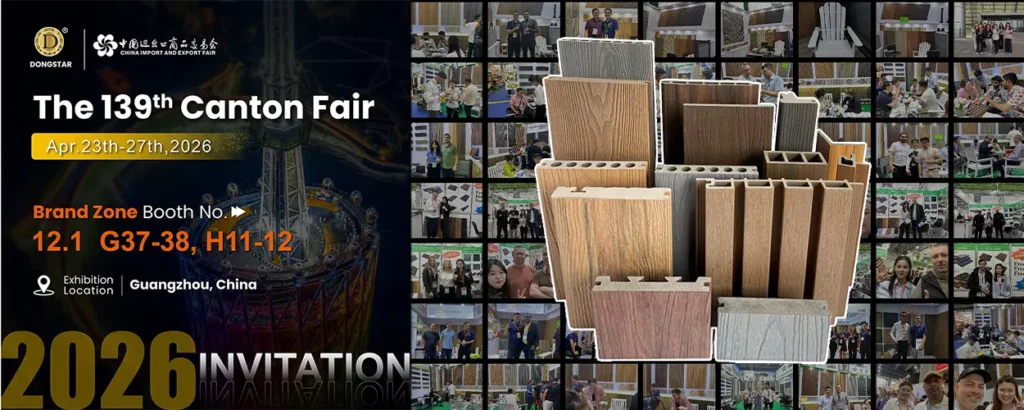
Table of Contents Meet Supereco at Canton Fair 2026 If you’re planning to attend Canton Fair 2026 Phase 2, there’s one booth you shouldn’t miss — Supereco (Dongshida Branch) at Booth No. 12.1 G37-38, H11-12. This year, Supereco is bringing its most competitive product lines: WPC Decking, WPC Fencing, and WPC Wall Panels, designed specifically for project contractors, wholesalers, and importers looking for scalable and reliable supply. In a market where durability, sustainability, and pricing all matter, choosing the right supplier can make or break your margins. Let’s walk through why Supereco is getting attention from global buyers. Why Canton Fair 2026 Matters for Global Buyers The Canton Fair (China Import and Export Fair) remains the largest trade exhibition in Asia, attracting thousands of international buyers every year. What Makes Phase 2 the Best for Building Materials Phase 2 focuses heavily on construction materials, home decoration, and outdoor solutions — making it the perfect stage for WPC product sourcing. Buyers attending this phase are typically: Large-scale project developers Distributors and wholesalers Importers looking for long-term suppliers Supereco (Dongshida Branch): Your Trusted WPC Manufacturer Company Background & Manufacturing Strength Supereco operates under Dongshida, specializing in Wood Plastic Composite (WPC) materials. With advanced production lines and strict quality control systems, the company delivers consistent quality across bulk orders. Export Experience & Global Market Reach Supereco products are already exported to: Europe North America Southeast Asia Middle East This global footprint ensures compliance with international standards and buyer expectations. Featured Products at Booth No. 12.1 G37-38, H11-12 WPC Decking: Durable Outdoor Solutions WPC decking is one of the fastest-growing alternatives to traditional wood decking. Key Features & Benefits Weather-resistant (no cracking or warping) Low maintenance (no painting required) Anti-slip surface for safety Long lifespan (10–20 years) Perfect for: Outdoor terraces Resorts & hotels Public infrastructure projects WPC Fencing: Privacy Meets Performance WPC fencing combines aesthetic appeal with structural strength, making it ideal for modern construction. Application Scenarios Residential privacy fencing Commercial property boundaries Garden and landscape design Buyers prefer WPC fencing because it reduces long-term maintenance costs significantly. WPC Wall Panels: Modern & Eco-Friendly Designs These panels are gaining traction in both interior and exterior applications. Indoor vs Outdoor Use Indoor: Decorative walls, offices, retail spaces Outdoor: Facades, cladding systems Advantages include: Easy installation Fire resistance options Wide range of textures and finishes Why WPC Products Are Trending in 2026 Sustainability & Eco Construction Demand With global policies pushing toward green building materials, WPC has become a preferred alternative to natural wood. It’s made from: Recycled plastic Wood fibers This reduces deforestation and aligns with ESG goals. Cost Efficiency for Bulk Buyers For importers and wholesalers, WPC offers: Lower lifecycle costs Reduced maintenance expenses High resale value That’s why demand is rising steadily on Google search trends for keywords like: “WPC decking supplier China” “bulk WPC fencing manufacturer” “eco wall panels wholesale” What Importers & Wholesalers Care About Most Pricing, MOQ, and Customization Supereco offers: Competitive factory pricing Flexible MOQ options OEM & ODM customization This allows buyers to tailor products for their specific markets. Logistics & Delivery Reliability Timely delivery is critical in large projects. Supereco ensures: Stable production timelines Export-ready packaging Support for international shipping Visit Supereco at Canton Fair: What to Expect Live Product Demonstrations At the booth, you’ll experience: Real product samples Installation demonstrations Material comparisons On-site Negotiation Opportunities Meeting face-to-face allows: Faster decision-making Better pricing discussions Stronger business relationships How to Prepare Before Visiting the Booth To maximize your visit: Bring project specifications Prepare estimated order quantities List customization requirements This helps Supereco provide accurate quotations on-site. AQs About Supereco & WPC Products 1. What is WPC material? WPC stands for Wood Plastic Composite, a mix of recycled plastic and wood fibers. 2. Is WPC better than traditional wood? Yes, it offers better durability, weather resistance, and lower maintenance. 3. Can Supereco handle large bulk orders? Absolutely. Their production capacity supports large-scale international projects. 4. What is the typical lifespan of WPC decking? Usually between 10–20 years depending on usage and environment. 5. Do you offer customization? Yes, including color, size, and surface finishes. 6. Where is Supereco located at Canton Fair 2026? Booth No. 12.1 G37-38, H11-12 during Phase 2 (April 23–27). Conclusion: Secure Your Supply Chain with Supereco If you’re serious about sourcing high-quality WPC Decking, WPC Fencing, and WPC Wall Panels, Supereco offers the reliability, pricing, and product range you need. Meeting them at Canton Fair 2026 gives you a direct advantage — real products, real conversations, and real business opportunities. 👉 Learn more: https://superecowpc.com

Meet Supereco at Canton Fair 2026: Top 3 High-Demand WPC Products Boosting Bulk Profits Read More »

how to choose the right outdoor wpc wall panel supplier

How to Choose the Right WPC Wall Panel Supplier?

Table of Contents Why Choosing the Right WPC Wall Panel Supplier Matters If you’re sourcing materials for a large project, picking the right WPC Wall Panel Supplier isn’t just a procurement task—it’s a strategic decision. The supplier you choose will directly affect your project’s timeline, cost, and long-term performance. Impact on Project Cost and Quality A reliable WPC Wall Panel supplier ensures: Consistent product quality Stable pricing for bulk orders On-time delivery On the flip side, a poor supplier can lead to delays, material defects, and unexpected costs that eat into your margins. Risks of Choosing the Wrong Supplier Buyers in North America and Europe often face: Panels fading within 1–2 years Warping due to low-quality materials Lack of compliance with fire or safety standards These issues are not just inconvenient—they can damage your reputation. What Is a WPC Wall Panel? A WPC Wall Panel is a composite material made from wood fibers and plastic polymers. It’s designed for outdoor durability while maintaining a natural wood-like appearance. Composition and Key Features Typical features include: UV resistance Water resistance Anti-termite properties Long lifespan (15–25 years) Why WPC Wall Panels Are Popular in Developed Markets In countries like the US, Germany, and Australia, demand for composite wall panels is growing fast. The reasons are simple: Strict environmental regulations High labor costs (favoring low-maintenance materials) Increasing focus on sustainability Key Criteria for Selecting a WPC Wall Panel Supplier Product Quality and Certifications Always check for: ISO certification Fire ratings (B1 or A2) UV resistance testing High-quality WPC Wall Panel products should pass international standards without compromise. Production Capacity and Lead Time For large projects, capacity matters. Ask: Monthly production volume Average lead time for bulk orders Ability to handle urgent orders Customization and OEM Capability Top suppliers offer: Custom colors and textures Logo branding Project-specific designs Pricing Transparency A trustworthy WPC Wall Panel Supplier will: Provide clear quotations Break down costs (materials, shipping, packaging) Avoid hidden fees After-Sales Support This is often overlooked. Good suppliers provide: Installation guidance Warranty policies Technical support Comparing Global WPC Wall Panel Suppliers China-Based Manufacturers Pros: Competitive pricing Strong production capacity Wide product range Cons: Quality varies significantly Requires careful vetting European Suppliers Pros: High quality standards Strong compliance Cons: Higher costs Limited customization flexibility Local Distributors Pros: Faster delivery Easier communication Cons: Higher markup Limited bulk discounts Why Supereco WPC Wall Panel Supplier Stands Out When it comes to balancing price, quality, and reliability, Supereco WPC Wall Panel Supplier has become a preferred choice for many international buyers. Product Innovation and Technology Supereco focuses on: Co-extrusion technology for better UV resistance Advanced surface textures Long-lasting color stability Their panels are designed specifically for outdoor performance in harsh environments. Strong Export Experience Supereco has extensive experience supplying: Large-scale construction projects Commercial developments Wholesale distributors This means smoother communication, better documentation, and fewer delays. Competitive Pricing for Bulk Orders For B2B buyers, pricing is critical. Supereco offers: Factory-direct pricing Flexible MOQ options Cost-effective shipping solutions This makes them especially attractive for developers and wholesalers. Cost Considerations for Bulk Buyers Unit Price vs Total Cost Don’t focus only on the unit price. Consider: Installation cost Maintenance cost Replacement cost A cheaper panel may cost more in the long run. Shipping and Logistics Efficiency Efficient suppliers optimize: Container loading Packaging Delivery timelines This can significantly reduce overall project costs. Common Mistakes to Avoid When Choosing a Supplier Choosing the lowest price without checking quality Ignoring certifications Not requesting samples Overlooking logistics capabilities Skipping factory audits How to Evaluate a Supplier Step-by-Step Request product samples Verify certifications Check client references Compare 2–3 suppliers Test communication responsiveness Start with a trial order FAQs 1. What makes a good WPC Wall Panel Supplier? A good supplier offers consistent quality, certifications, competitive pricing, and reliable delivery. 2. How do I verify product quality? Request samples and test for durability, color stability, and structural strength. 3. Is it better to buy directly from manufacturers? Yes, especially for bulk orders, as it reduces costs and improves customization options. 4. Why is Supereco a good choice? Supereco combines competitive pricing, strong export experience, and high-quality products tailored for global markets. 5. What certifications should I look for? ISO, fire resistance ratings, and UV testing certifications are essential. 6. How long do WPC Wall Panels last? Typically 15–25 years with minimal maintenance. Conclusion Choosing the right WPC Wall Panel Supplier is one of the most important decisions for any construction or development project. It’s not just about price—it’s about reliability, quality, and long-term value. For buyers in developed markets, suppliers like Supereco WPC Wall Panel Supplier offer a strong balance of performance, cost-efficiency, and global experience. Take your time, compare options, and always prioritize long-term results over short-term savings. Related Articles

How to Choose the Right WPC Wall Panel Supplier? Read More »

what is wpc wall panel

What is WPC Wall Panel?

Table of Contents If you’re involved in construction, interior design, or property development, you’ve likely heard the term WPC wall panel popping up more frequently—especially in 2025 and early 2026. But what exactly is it, and why are so many project managers and architects switching to this material? WPC, or Wood-Plastic Composite, is a hybrid building material made from a blend of recycled wood fibers (or other lignocellulosic materials) and thermoplastics like polyethylene or PVC. The result? A durable, low-maintenance, and eco-friendly alternative to traditional wood, MDF, or even ceramic tiles—especially for wall cladding applications. Unlike solid wood, WPC wall panels resist moisture, termites, and warping. Unlike pure plastic, they retain the natural look and texture of wood—without the upkeep. For contractors and developers managing tight timelines and budgets, this balance of aesthetics, performance, and cost-efficiency is hard to ignore. Why WPC Wall Panels Are Trending in 2026 Google Trends data from late 2025 into early 2026 shows a steady rise in searches for “WPC wall panel,” particularly in North America, Southeast Asia, and parts of Europe. This isn’t just a passing fad—it’s driven by real-world demands: Sustainability mandates: With stricter green building codes (like LEED and BREEAM), using recycled-content materials like WPC helps projects qualify for certifications. Labor shortages: WPC panels are lightweight and easy to install—often requiring fewer skilled laborers and less time than traditional finishes. Moisture-prone environments: From bathrooms and basements to outdoor facades and poolside areas, WPC performs where wood fails. Design flexibility: Available in wood grain, stone, concrete, and even custom colors, WPC panels offer architectural versatility without compromising durability. One contractor in Texas recently told us: “We switched to WPC for a multi-family housing project last year. Installation was 30% faster, and we haven’t had a single callback for swelling or mold.” Key Benefits for Project Stakeholders Benefit Impact on Your Project Water & Rot Resistance Ideal for humid climates or high-moisture zones—no sealing or painting needed. Low Maintenance No sanding, staining, or repainting over time. Reduces long-term operational costs. Eco-Friendly Composition Made with up to 60–70% recycled content. Supports ESG goals and sustainability reporting. Fire-Retardant Options Many WPC panels now meet Class B or Class A fire ratings—critical for commercial builds. Consistent Quality Factory-controlled production means no knots, cracks, or warping—unlike natural wood. Common Applications in Real Projects Exterior cladding for apartment complexes and retail facades Interior accent walls in hotels, offices, and co-working spaces Bathroom and kitchen wall linings in residential developments Ceiling panels in transit hubs and commercial lobbies Because WPC panels often come in interlocking or tongue-and-groove systems, they integrate seamlessly with modern drywall or framing systems—minimizing rework and waste. Things to Consider Before Specifying WPC While WPC wall panels offer many advantages, they’re not universal. Here’s what to keep in mind: UV stability: Not all WPC is created equal. For exterior use, ensure the product includes UV inhibitors to prevent fading. Thermal expansion: Like most composites, WPC expands slightly with heat. Proper spacing during installation is essential. Supplier reliability: Work with manufacturers who provide third-party test reports (e.g., ASTM, ISO) for durability and fire performance. Pro tip: Always request a full sample kit before finalizing specs. Lighting and texture can vary significantly between batches. Final Thoughts In today’s fast-paced, cost-conscious, and sustainability-driven construction landscape, WPC wall panels aren’t just an alternative—they’re becoming the standard for smart, future-ready projects. Whether you’re renovating a boutique hotel or building affordable housing at scale, WPC delivers performance without compromise. Ready to explore options? Start by reviewing certified WPC wall panel suppliers with proven track records in commercial installations. Related Articles

What is WPC Wall Panel? Read More »

how to install wpc wall panel

How to Install WPC Wall Panel?

Table of Contents When it comes to modern, low-maintenance, and durable interior or exterior cladding solutions, WPC wall panels have surged in popularity—especially among contractors, builders, and renovation-focused homeowners. According to recent Google Trends data (as of early 2026), searches for “WPC wall panel installation” and “how to install WPC wall panels” have climbed steadily over the past 12 months, reflecting growing interest in sustainable building materials that combine wood aesthetics with plastic resilience. If you’re managing a residential remodel, commercial project, or even a backyard accent wall, this guide will walk you through a professional-grade yet beginner-friendly WPC wall panel installation process—without the fluff. Why Choose WPC Wall Panels? Before diving into installation, it’s worth noting why so many pros are switching to Wood-Plastic Composite (WPC) wall panels: Moisture-resistant: Ideal for bathrooms, kitchens, basements, and outdoor spaces. Termite & rot-proof: Unlike real wood, WPC won’t decay or attract pests. Low maintenance: No painting, sealing, or staining required. Eco-friendly: Often made from recycled wood fibers and plastics. Easy to cut & install: Lightweight and compatible with standard woodworking tools. These benefits make WPC an excellent choice for fast-track projects where durability and aesthetics matter. Tools & Materials You’ll Need Gather these before you start: WPC wall panels (measure your area accurately—add 5–10% for waste) Measuring tape & pencil Level & chalk line Circular saw or jigsaw (with fine-tooth blade) Drill & screws (stainless steel recommended) Furring strips or plywood backing (for uneven walls) Silicone sealant (optional, for wet areas) Safety gear (gloves, goggles, mask) Pro Tip: Always acclimate your WPC panels indoors for 48 hours before installation. Temperature and humidity changes can cause slight expansion or contraction. Step-by-Step Installation Guide Step 1: Prepare the Surface Ensure your wall is clean, dry, flat, and structurally sound. Remove old wallpaper, loose paint, or protruding nails. For concrete or masonry walls, consider installing furring strips to create a nailable surface and allow airflow behind the panels—critical for moisture management. Step 2: Plan Your Layout Start from the bottom and work upward. Use a level and chalk line to mark a straight reference line. Dry-fit the first row without fastening to check alignment and cut any end pieces as needed. Step 3: Cut Panels to Size Use a circular saw with a fine-tooth carbide blade (80+ teeth) for clean cuts. Always cut with the finished side up to minimize chipping. Wear a mask—WPC dust can be irritating. Step 4: Install the First Row Secure the starter panel using stainless steel screws through the tongue (hidden fastening) or along the edge (face-fastening if design allows). Leave a 3–5mm expansion gap at corners and edges. Step 5: Continue Staggering Joints As you move up, stagger vertical seams like brickwork—avoid aligning joints across rows. This enhances visual appeal and structural integrity. Most WPC panels feature a tongue-and-groove system for seamless alignment. Step 6: Trim Around Obstacles For outlets, pipes, or windows, measure carefully and use a jigsaw for precise cutouts. Always turn off power before working near electrical boxes. Step 7: Finish Edges & Corners Use matching trims or moldings for a polished look. Apply silicone sealant in wet zones (e.g., shower surrounds) to prevent water ingress. Common Mistakes to Avoid Skipping acclimation: Leads to warping or buckling post-install. ver-tightening screws: Can crack the panel or restrict natural expansion. Ignoring expansion gaps: Causes panels to warp in temperature swings. Installing on damp surfaces: Traps moisture and risks mold behind panels. Final Thoughts Installing WPC wall panels isn’t just about slapping up planks—it’s about smart planning, proper prep, and attention to detail. When done right, you get a sleek, modern finish that lasts years with zero upkeep. Whether you’re outfitting a luxury apartment lobby or refreshing a basement rec room, WPC delivers performance and style in one package. Ready to get started? Check out our curated selection of high-quality WPC wall panels designed for easy installation and long-term durability. Related Articles

How to Install WPC Wall Panel? Read More »

WPC Decking - The Foundation of Outdoor Living

Comparing WPC Decking, Fencing & Wall Panels: What are the Uses & Benefits?

WPC (Wood-Plastic Composite) has revolutionized outdoor and interior design, offering a superior alternative to traditional wood, vinyl, and metal. But with products like decking, fencing, and wall panels available, how do you know which is right for your project? While they share core benefits like durability, low maintenance, and eco-friendliness, each is engineered for a specific purpose. This guide breaks down the uses, benefits, and key differences to help you make an informed decision. 1. The Core Benefits They All Share Before diving into their differences, it’s crucial to understand the universal advantages that make WPC a standout material:Low Maintenance: No annual staining, sealing, or painting. A simple clean with soap and water is all they need.Durability: Highly resistant to rot, mold, termites, and moisture, ensuring a long lifespan.Weather & UV Resistant: Specially formulated to withstand sun, rain, and extreme temperatures without warping or fading.Eco-Friendly: Made from a blend of recycled wood fibers and plastics, reducing waste and deforestation.Aesthetic Appeal: Offers the beautiful, natural look of wood without any of the drawbacks. 2. WPC Decking: The Foundation of Outdoor Living WPC decking is designed to be walked on. It’s engineered for structural strength, slip resistance, and comfort underfoot. Primary Use: Creating outdoor flooring surfaces like patios, pool decks, balconies, and rooftop terraces. Key Features: Thicker Profile: Typically 25-35mm thick to provide a sturdy, stable walking surface. Textured Surface: Often has an embossed wood grain or non-slip texture for safety, especially when wet. Hidden Fastening Systems: Many systems use concealed clips for a clean, seamless look with no visible screws. Ideal For: Homeowners who want a beautiful, splinter-free outdoor living room that requires minimal upkeep. 3. WPC Fencing: Privacy, Security, and Style WPC fencing is engineered for privacy, wind resistance, and perimeter definition. It stands upright and is built to withstand lateral forces. Primary Use: Creating private, secure boundaries for yards, gardens, pools, and commercial properties. Key Features: Structural Posts: Requires sturdy posts set in concrete to ensure stability and longevity. Panel Design: Often comes in pre-assembled panels for easier installation or as individual boards for a custom look (e.g., board-on-board for full privacy). Varied Heights: Available in different heights (typically 4-6 feet) to meet privacy and local code requirements. Ideal For: Anyone seeking a durable, no-maintenance alternative to a wooden fence that offers complete privacy and enhances curb appeal. 4. WPC Wall Panels: The Versatile Cladding Solution WPC wall panels (or SWPC panels) are designed for vertical cladding on both interiors and exteriors. They are about aesthetics and protection for walls. Primary Use: Enhancing exterior facades, creating accent walls indoors, covering balcony perimeters, and providing waterproof cladding in wet areas like bathrooms. Key Features: Thinner Profile: Generally thinner (8-20mm) than decking boards as they don’t need to support foot traffic. Diverse Finishes: Available in a huge range of styles, from realistic wood grain to smooth, modern finishes. Lightweight & Easy to Install: Easier to handle and cut than many traditional cladding materials, often attaching directly to battens. Ideal For: Modernizing a home’s exterior, creating a feature wall without drywall, or adding a waterproof surface to bathrooms and kitchens. 5. Can You Mix and Match? Creating a Cohesive Outdoor Oasis Absolutely! One of the greatest advantages of WPC is the ability to create a unified design language across your entire property. The Perfect Combo: Use WPC decking for your patio, WPC fencing for privacy around the perimeter, and WPC wall panels to clad a nearby exterior wall or garden shed. Design Tip: Choose the same color across all three products (e.g., a modern grey or warm brown) to create a seamless, professionally designed outdoor environment that flows together beautifully. 6. How to Choose the Right Product for Your Project Use this simple checklist to guide your decision: For a horizontal surface you walk on (ground-level or elevated): Choose WPC Decking. For a vertical structure to define a boundary or create privacy: Choose WPC Fencing. For a vertical surface on a building (interior or exterior) for aesthetics and protection: Choose WPC Wall Panels. Ready to transform your space? Explore our collections to find the perfect WPC decking, fencing, and wall panels to bring your vision to life.

Comparing WPC Decking, Fencing & Wall Panels: What are the Uses & Benefits? Read More »

Comparing WPC Decking Fencing & Wall Panels Uses & Benefits

Comparing WPC Decking, Fencing & Wall Panels: Uses & Benefits

What Is WPC and How Does It Compare Across Applications? Wood Plastic Composite (WPC) blends wood fibers or flour with thermoplastics such as polyethylene or polypropylene.It’s commonly used for decking, fencing, and wall panels due to its durability, low maintenance, and ability to mimic natural wood.WPC Decking: Engineered for outdoor flooring. It’s weather-resistant, slip-resistant, resists rot and insects, and typically lasts 20–30+ years HOSUNG WPC Composite.WPC Fencing: Vertical panels offering privacy and perimeter protection. Resistant to extreme weather, fading, and insects, with lifespans of 20–30 years.WPC Wall Panels (cladding): Used for decorating or protecting interior/exterior surfaces. Waterproof, insect‑proof, low maintenance, and fire‑resistant. Benefits of WPC Decking, WPC Fencing & WPC Wall Panels Common Advantages Longevity & Durability: All three resist rot, decay, insects, and withstand UV exposure and moisture.Low Maintenance: No painting, staining, or sealing needed—just simple cleaning with soap and water.Eco‑Friendly: Made from recycled plastics and wood fibers, often recyclable, and lower in VOC emissions. Specific Advantages by Application Decking: Slip-resistant surfaces, high load capacity, and UV protection make it great for patios and poolside environments.Fencing: Offers a natural wood‑like aesthetic, excellent impact resistance, and styles ranging from classic wood grain to modern finishes. Benefits of WPC Decking, WPC Fencing & WPC Wall Panels Common Advantages Longevity & Durability: All three resist rot, decay, insects, and withstand UV exposure and moisture.Low Maintenance: No painting, staining, or sealing needed—just simple cleaning with soap and water.Eco‑Friendly: Made from recycled plastics and wood fibers, often recyclable, and lower in VOC emissions. Specific Advantages by Application Decking: Slip-resistant surfaces, high load capacity, and UV protection make it great for patios and poolside environments.Fencing: Offers a natural wood‑like aesthetic, excellent impact resistance, and styles ranging from classic wood grain to modern finishes.Wall Panels: Fire‑resistant (self‑extinguishing), moisture‑proof, and flexible design options for both interior and exterior use. Use Cases & Choosing the Right Product for Your Project When to Choose WPC Decking For terraces, patios, balconies, or garden decks requiring durable, water‑resistant surfaces.Ideal when slip-resistance and long-term performance are priorities. When to Choose WPC Fencing For privacy boundaries, garden screening, or property perimeters.Choose fencing when aesthetic appeal, low maintenance, and weather resilience are essential. When to Choose WPC Wall Panels For external building facades, cladding, or interior feature walls.Great when decorative finishes, fire rating, and minimal upkeep matter most. Choosing the Right WPC Product Climate / weather exposure: Decking and fencing must handle moisture and sunlight—select materials with UV stabilizers and water resistance.Maintenance limits: All WPC types excel, but decking/fencing avoid paint‑upkeep entirely.Aesthetic goals: Deck boards, fence slats, or wall cladding can all mimic wood—in varied grains and finishes.Budget considerations: Initial cost is higher than timber, but lifespan and minimal care deliver better overall ROI.

Comparing WPC Decking, Fencing & Wall Panels: Uses & Benefits Read More »

WPC Wall Panel: The Future of Interior & Exterior Cladding

In the world of modern construction and design, WPC (Wood-Plastic Composite) wall panels are emerging as a game-changing solution for both interior and exterior applications. Combining the natural beauty of wood with the durability of plastic, these panels offer a low-maintenance, eco-friendly, and stylish alternative to traditional cladding materials.This blog explores why WPC wall panels are the future, their key advantages over conventional materials, and how to incorporate them into your next project. 1. Why WPC Wall Panels Are Revolutionizing Cladding WPC wall panels are gaining rapid popularity among architects, builders, and homeowners due to their unique blend of functionality and aesthetics. Here’s what makes them stand out:Eco-Friendly & Sustainable – Made from recycled wood fibers and plastics, reducing waste and deforestation.Durability That Lasts – Resistant to moisture, termites, rot, and UV rays, unlike traditional wood.Low Maintenance – No need for painting, sealing, or staining—just occasional cleaning.Fire-Resistant & Safe – Many WPC panels meet fire safety standards, making them ideal for commercial and residential use.Versatile Designs – Available in wood-like finishes, modern textures, and customizable colors to match any style.Whether for facades, bathrooms, or feature walls, WPC panels deliver long-term performance without compromising on looks.This blog explores why WPC wall panels are the future, their key advantages over conventional materials, and how to incorporate them into your next project. 2. How to Use WPC Wall Panels in Your Home or Business WPC panels are incredibly versatile, fitting seamlessly into both residential and commercial spaces. Here are some top applications:Exterior UsesFacade Cladding – Enhances curb appeal while protecting against weather.Balcony & Terrace Walls – Resistant to rain, humidity, and temperature changes.Fence & Privacy Screens – Combines functionality with modern design.Interior UsesFeature Walls – Adds warmth and texture to living rooms and bedrooms.Bathroom & Kitchen Walls – Waterproof and mold-resistant, perfect for wet areas.Office & Retail Spaces – Creates a sleek, professional look with minimal upkeep. Installation Tips Use stainless steel screws or hidden clips for a seamless finish.Leave a small expansion gap (3–5mm) to prevent warping.For exterior installations, ensure proper drainage and ventilation behind panels. WPC wall panels are redefining modern construction by offering a sustainable, durable, and stylish alternative to traditional cladding. Whether you’re renovating a home or designing a commercial space, they provide long-lasting beauty with minimal effort.Ready to explore WPC wall panels? Check out SuperEco’s premium collection for high-quality, eco-friendly options!

WPC Wall Panel: The Future of Interior & Exterior Cladding Read More »

WPC Wall Panel Banner

Advantages of Advanced Co-extrusion WPC Wall Panel

In addition to traditional WPC wall Panel, our advanced co-extrusion WPC wall cladding offers unique benefits, thanks to its innovative design and construction. Here’s a closer look at the advantages it provides: 1. Unique Co-Extrusion Plastic Shell Unlike traditional WPC cladding, our product has a co-extrusion plastic shell that surrounds the entire panel, while the core remains a wood-plastic composite layer.This outer shell provides a complete waterproof barrier, making it ideal for outdoor use, as it resists water infiltration and is highly durable even in extreme weather conditions. 2. Easy Maintenance and Stain Resistance Our co-extrusion WPC wall Panel cladding is highly stain-resistant. If spills occur, such as wine or other drinks, the liquid will not penetrate the surface. This allows for easy cleanup by simply wiping the surface, leaving no stains behind.This feature significantly reduces maintenance needs compared to traditional WPC cladding, making it a convenient option for both residential and commercial applications. 3. Simple, Clip-Free Installation One of the standout features of our wall cladding is its easy installation process, which eliminates the need for clips. Instead, panels can be installed directly with screws, streamlining the entire installation and reducing the time and cost associated with labor.This screw-only installation method not only makes the project simpler but also provides a clean, sleek look with fewer visible installation components. In summary, our advanced co-extrusion WPC wall Panel cladding offers a fully waterproof, stain-resistant, and easy-to-install solution that outperforms traditional WPC wall panels, making it an excellent choice for modern outdoor wall projects.

Advantages of Advanced Co-extrusion WPC Wall Panel Read More »

Scroll to Top