
Why SuperEco is a Leader in WPC & WPC Solutions
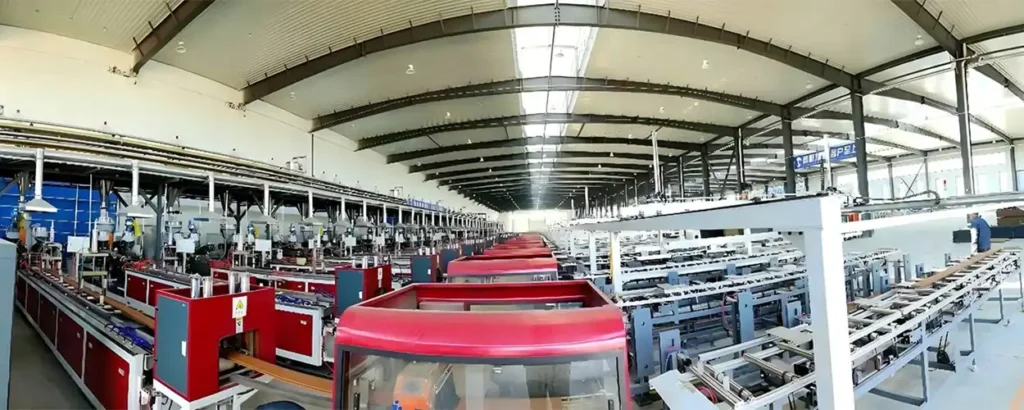
Discover why SuperEco leads the WPC industry. Explore our advanced material technology, rigorous quality control, sustainable practices, and complete product ecosystem. 1. Pioneering Material Science & Advanced Manufacturing The core of any great WPC product lies in its formulation. SuperEco doesn’t just mix wood and plastic; they engineer advanced composites. High Wood Fiber Content: Many budget WPC products use a high ratio of plastic fillers. SuperEco utilizes a optimal blend of high-quality wood fibers and polymers, resulting in a product that looks and feels more like natural wood while retaining all the benefits of composite. Protective Cap Layer: Their premium decking lines often feature a co-extruded cap layer. This technology encapsulates the core board in a dense, protective shell that is highly resistant to UV fading, staining, moisture ingress, and mold growth. Consistent Quality: State-of-the-art extrusion manufacturing ensures every board has consistent color, density, and dimensional stability, batch after batch. 2. Uncompromising Commitment to Quality & Durability Leadership is proven through performance. SuperEco products are built to last, which is evidenced by their robust warranties and real-world performance. Rigorous Testing: Their products undergo stringent testing for UV resistance, fade resistance, slip resistance, load-bearing capacity, and thermal expansion. This ensures they perform beautifully in diverse climates, from freezing winters to scorching summers. Class-A Fire Rating: Especially for wall panels (WPC), SuperEco products often achieve Class-A fire safety ratings, making them a safe choice for residential and commercial applications alike. Long Warranties: Confidence in product longevity is demonstrated by offering extensive warranties, often spanning 20-25 years against fading, staining, and structural defects. 3. Sustainable Innovation & Eco-Conscious Practices The “Eco” in SuperEco is a core part of their identity, not just a marketing term. Circular Economy Model: They utilize post-industrial and post-consumer recycled materials, diverting waste from landfills and reducing the demand for virgin timber and plastics. Low Carbon Footprint: The manufacturing process is optimized for energy efficiency, and the durability of the products means a long lifecycle and less frequent replacement, further reducing environmental impact. No Harmful Additives: Their products are often free from harmful chemicals like lead, cadmium, and other heavy metals, making them safe for family gardens and environmentally sensitive areas. 4. A Complete Ecosystem for Cohesive Design A leader doesn’t just offer one product; they offer a solution. SuperEco provides a full suite of matching products, allowing for a perfectly unified outdoor design. Product Range: From decking and fencing to wall panels (WPC) and pergolas, you can source everything from one trusted supplier. Color Matching: Their collections feature coordinated color palettes, making it simple to mix and match decking, fencing, and cladding for a professional, designer-grade look. Accessory System: They offer a complete system of hidden fasteners, trim pieces, and post caps designed specifically for their products, ensuring a clean finish and easy installation. 5. Customer-Centric Support & Global Reliability Finally, leadership is about supporting customers every step of the way. Technical Expertise: They provide detailed installation guides, technical data sheets, and accessible customer support to ensure projects are completed successfully. Global Supply Chain: A robust logistics network ensures reliable and timely delivery for both small residential projects and large commercial contracts. Proven Track Record: Years of successful projects and positive customer testimonials across residential, commercial, and hospitality sectors stand as a testament to their reliability and performance. Choosing SuperEco isn’t just about buying a product; it’s about investing in a comprehensive, sustainable, and high-performance solution backed by serious engineering and a customer-first philosophy. They lead the industry by consistently delivering on the core promises of WPC: unparalleled durability, stunning aesthetics, and truly low maintenance, all while championing environmental responsibility. Ready to experience the SuperEco difference? Explore our technical specifications and project galleries to see why we are the trusted leader in WPC and WPC solutions.