For years, wood decking was the default choice for outdoor spaces.
Today, more distributors, contractors, resorts, and developers are switching to composite decking for one reason:
Lower long-term cost with more stable outdoor performance.
The real comparison is no longer:
“Which material looks better?”
The real question is:
- Which material lasts longer?
- Which requires less maintenance?
- Which reduces future replacement costs?
- Which creates fewer customer complaints?
- Which performs better in harsh outdoor environments?
This is why composite decking vs wood decking has become one of the most searched topics among global outdoor building material buyers.
The answer depends on:
- project type
- climate
- maintenance expectations
- installation requirements
- long-term operating cost
This guide breaks down the real differences between wood and modern WPC decking, helping buyers choose the right material based on long-term project value — not just initial price.

Quick Comparison: Composite Decking vs Wood Decking
| Factor | Composite Decking | Wood Decking |
|---|---|---|
| Maintenance | Low | High |
| Lifespan | 20–30 Years | 8–15 Years |
| Waterproof Performance | Excellent | Limited |
| Cracking & Warping | Minimal | Common |
| UV Resistance | Strong | Fades Over Time |
| Surface Splinters | No | Yes |
| Anti-Termite Performance | Excellent | Vulnerable |
| Installation Stability | High | Moderate |
| Long-Term Cost | Lower | Higher |
| Eco-Friendliness | Recycled Materials | Natural Timber Consumption |
For commercial projects and wholesale applications, long-term maintenance and replacement costs often matter more than initial material pricing.
This is one of the biggest reasons global demand for composite decking wholesale products continues to grow.
What Is Composite Decking?
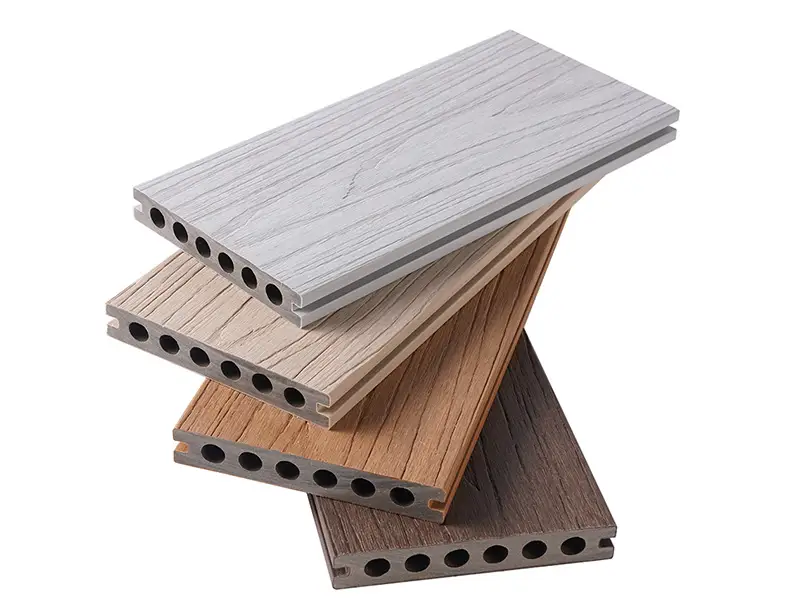
Composite decking is an engineered outdoor material made from:
- recycled HDPE plastic
- wood fibers
- UV stabilizers
- performance additives
Unlike traditional wood, modern outdoor composite decking is designed to improve:
- weather resistance
- dimensional stability
- moisture protection
- long-term durability
Today, composite decking is widely used for:
- resorts
- hotels
- rooftop decks
- restaurants
- poolside projects
- commercial outdoor spaces
- residential patios
Many buyers working with a professional composite decking manufacturer now prioritize lifecycle value over short-term cost savings.
Maintenance: The Biggest Long-Term Difference
Maintenance is where wood and composite differ the most.
Wood Decking Typically Requires:
- staining
- sealing
- sanding
- repainting
- anti-rot treatment
- termite protection
Without ongoing maintenance, wood is more likely to:
- crack
- warp
- absorb moisture
- fade
- develop mold
This becomes expensive for:
- resorts
- restaurants
- public spaces
- large commercial projects
By comparison, modern WPC decking requires minimal maintenance beyond routine cleaning.
For distributors and contractors, this usually means:
- fewer warranty claims
- lower replacement costs
- better long-term customer satisfaction
Weather Resistance & Outdoor Durability
Outdoor materials must survive:
- rain
- UV exposure
- humidity
- temperature fluctuations
- heavy foot traffic
Traditional wood naturally expands and contracts when exposed to moisture.
Over time, this often causes:
- cracking
- deformation
- structural movement
- unstable surfaces
Modern capped composite decking is specifically engineered to reduce these issues.
Its protective polymer layer improves:
- UV resistance
- stain resistance
- moisture resistance
- scratch resistance
- color stability
This is why many developers now prefer sourcing from a professional capped composite decking supplier for demanding outdoor environments.
Especially in:
- coastal regions
- tropical climates
- swimming pool projects
- humid environments
composite materials generally provide more stable long-term performance.

Installation Efficiency Matters More Than Most Buyers Realize
For commercial projects, installation problems directly affect:
- labor cost
- project timelines
- after-sales service
- contractor efficiency
Wood decking often requires:
- additional surface treatment
- more frequent alignment adjustment
- ongoing maintenance planning
Modern systems from an experienced WPC decking manufacturer usually provide:
- hidden fastener systems
- consistent board dimensions
- simplified installation
- improved structural stability
For contractors and distributors, installation efficiency directly impacts project profitability.
Long-Term Cost: Where Composite Decking Often Wins
Many buyers initially focus on material price per square meter.
Experienced project buyers focus on:
- maintenance cost
- replacement frequency
- labor expenses
- operational lifespan
- lifecycle value
- Wood decking may appear cheaper upfront.
But over time, additional costs often include:
- refinishing
- repairs
- board replacement
- maintenance labor
This is why many buyers sourcing from a composite decking supplier evaluate total ownership cost instead of only initial purchasing price.
For commercial projects, composite decking often becomes the more economical long-term solution.
Appearance: Natural Wood vs Modern Composite Technology
Wood decking offers natural grain variation and traditional visual appeal.
However, natural timber appearance changes significantly over time due to:
- UV exposure
- moisture
- weather aging
Modern co extrusion decking manufacturer technology has significantly improved composite aesthetics.
Today’s premium composite decking can provide:
- realistic wood grain textures
- embossed finishes
- multi-tone color systems
- matte surface appearance
while maintaining better long-term consistency.
For commercial outdoor spaces, appearance stability over time is often more important than natural variation.
Which Material Is Better for Different Projects?
Wood Decking Is Often Better For:
- rustic residential projects
- traditional aesthetics
- low-traffic applications
- short-term budget projects
Composite Decking Is Often Better For:
- resorts & hotels
- commercial outdoor projects
- rooftop decks
- restaurants & cafes
- poolside areas
- distributors & wholesale projects
- humid or coastal climates
- low-maintenance outdoor spaces
This is why demand for composite decking wholesale products continues growing globally.
Common Misconceptions About Composite Decking
“Composite Decking Looks Artificial”
Older-generation products often lacked realistic texture.
Modern manufacturing technology now offers:
- deep embossing
- realistic wood textures
- natural matte finishes
- multi-color surface designs
that more closely replicate natural timber.
“Composite Decking Gets Too Hot”
Surface temperature depends on:
- color selection
- sun exposure
- local climate
- ventilation
Lighter colors and proper installation spacing significantly improve comfort.
“Composite Decking Is Too Expensive”
Initial pricing may be higher than standard wood.
But many buyers underestimate:
- maintenance savings
- reduced labor costs
- longer lifespan
- lower replacement frequency
Over time, composite decking often provides stronger overall project value.
Why Global Buyers Choose Supereco
Supereco WPC focuses on large-scale outdoor composite manufacturing for distributors, contractors, wholesalers, and commercial projects worldwide.
Key Manufacturing Data
- 20+ Years Manufacturing Experience
- 70+ Countries Served
- 1000+ Completed Projects
- 10M+ WPC Products Delivered
The company provides:
- WPC decking
- capped composite decking
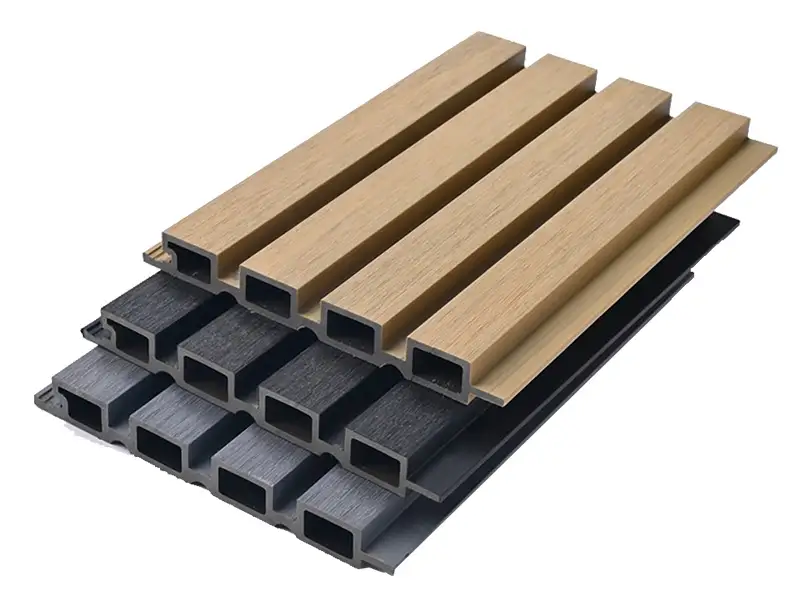
- WPC wall panels
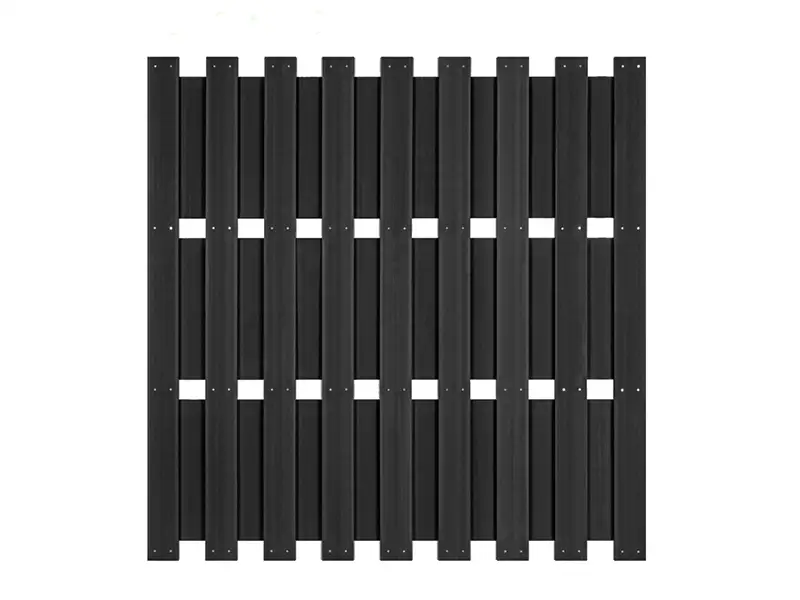
- WPC fencing systems
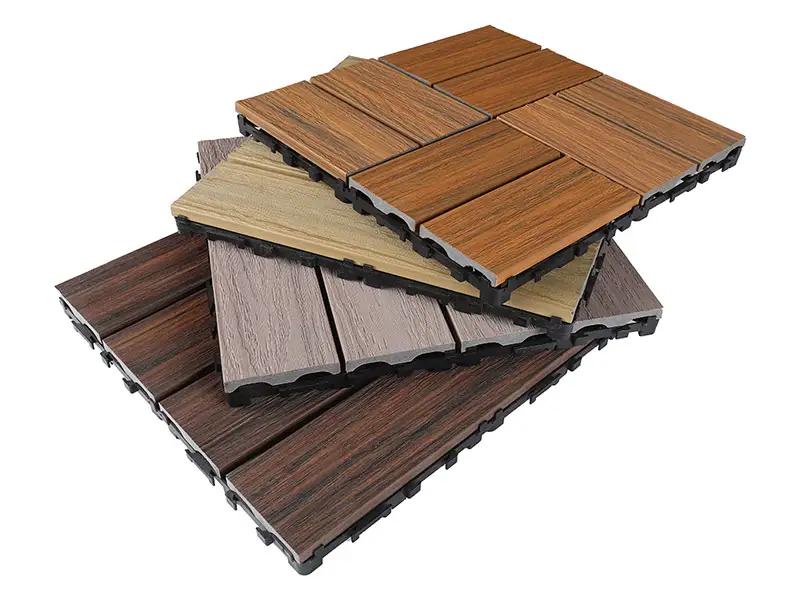
- WPC deck tiles
for both residential and commercial outdoor applications.
Technical & Quality Strength
Supereco supports stable product quality through:
CNAS-Accredited In-House Testing Lab
Used for:
- UV resistance testing
- dimensional stability testing
- water absorption testing
- mechanical performance verification
Third-Party Tested by Intertek & SGS
Independent testing helps verify:
- outdoor durability
- product consistency
- long-term weather performance
Patented Product Technology
Designed to improve:
- color retention
- structural stability
- installation performance
- outdoor durability
OEM & Project Support
Supereco also supports:
- OEM customization
- custom colors & textures
- project-based specifications
- branded packaging
- wholesale supply
- container optimization
for distributors and commercial buyers worldwide.
Final Thoughts
The real debate around composite decking vs wood decking is not simply about appearance.
It is about:
- durability
- maintenance
- lifecycle cost
- outdoor performance
- long-term project stability
Wood remains suitable for certain traditional applications.
But for many modern commercial and outdoor projects, composite decking offers:
- lower maintenance
- longer lifespan
- stronger weather resistance
- better dimensional stability
- lower long-term operating cost
This is why more developers, contractors, distributors, and outdoor brands are partnering with experienced composite decking manufacturers for long-term projects.
The best decking material is not always the cheapest at the beginning.
It is the one that performs reliably for years after installation.
Looking for Reliable Composite Decking Solutions?
If you are sourcing for:
- distributors
- commercial projects
- hospitality developments
- wholesale outdoor applications
Supereco can provide:
- factory-direct WPC decking
- capped composite decking solutions
- OEM manufacturing support
- customized outdoor composite systems
- wholesale project supply
Request free samples, technical specifications, or project consultation to explore the right outdoor composite solution for your market.