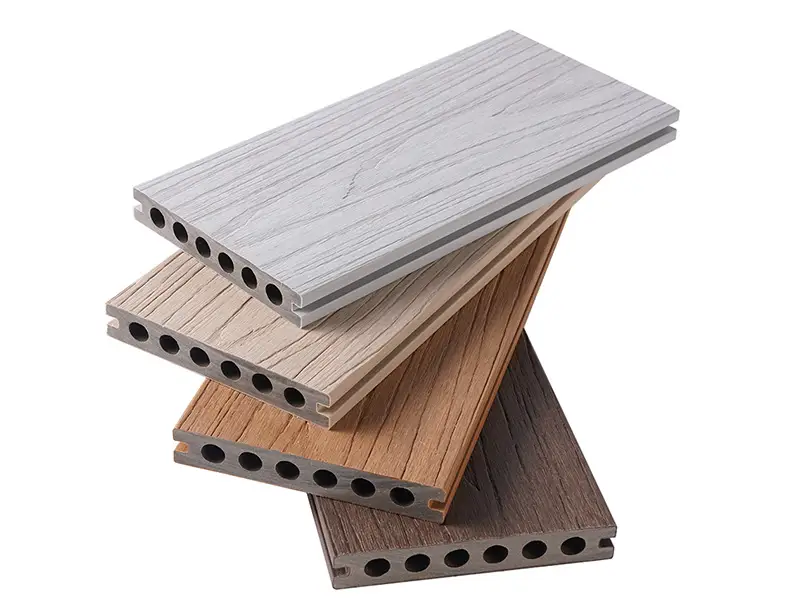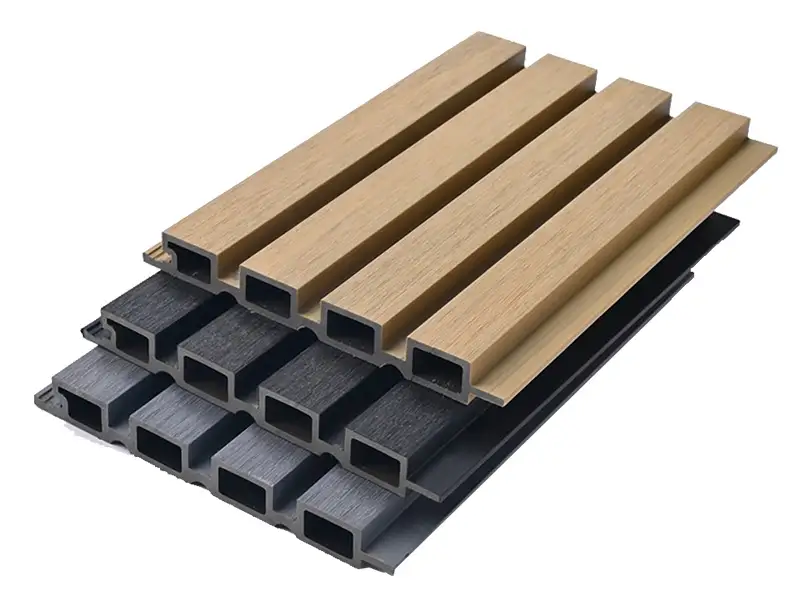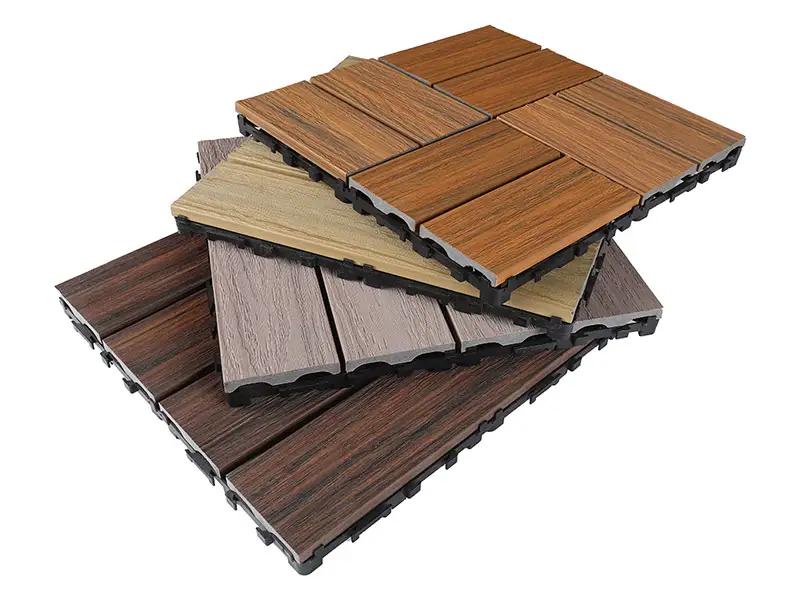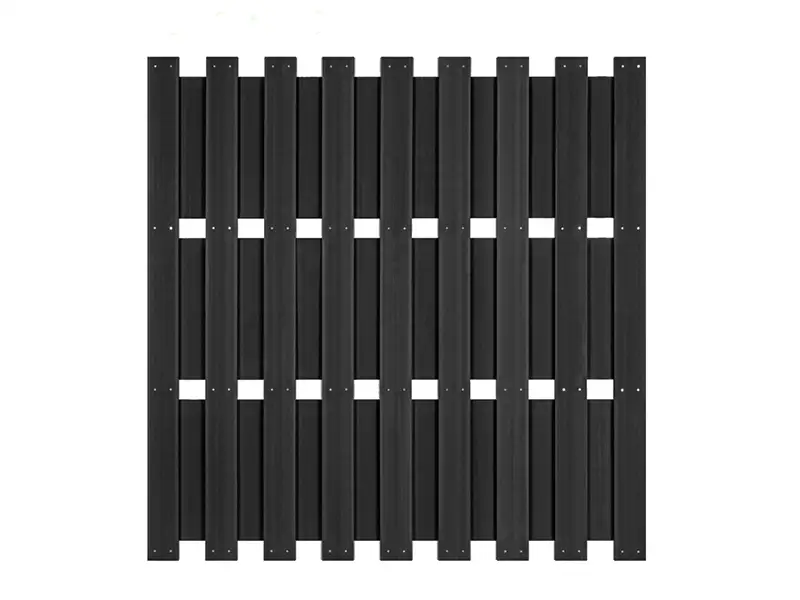
For most commercial construction projects, choosing composite decking is not a simple material selection—it is a procurement decision that directly affects project cost, durability, and long-term maintenance performance.
Whether you are sourcing for hotels, resorts, residential developments, or public infrastructure, the real challenge is not finding a product, but building a reliable supply chain.
Many buyers start by searching for composite decking suppliers, but quickly discover that pricing, quality, and delivery consistency vary significantly across the market.
This guide explains how experienced buyers evaluate composite decking, how to avoid procurement risks, and how to ensure stable long-term supply for large-scale projects.
What Commercial Buyers Actually Care About When Choosing Composite Decking
In real procurement scenarios, buyers do not start with brand names or manufacturers. They start with project performance requirements and risk control.
Most commercial buyers focus on:
- Long-term outdoor durability
- Low lifecycle maintenance cost
- Slip resistance for public safety compliance
- UV and weather resistance performance
- Stable color consistency across large areas
- Predictable installation behavior
In large-scale projects, even small inconsistencies can lead to significant cost overruns during installation or maintenance.
In most cases, lifecycle stability is more important than initial purchase price.
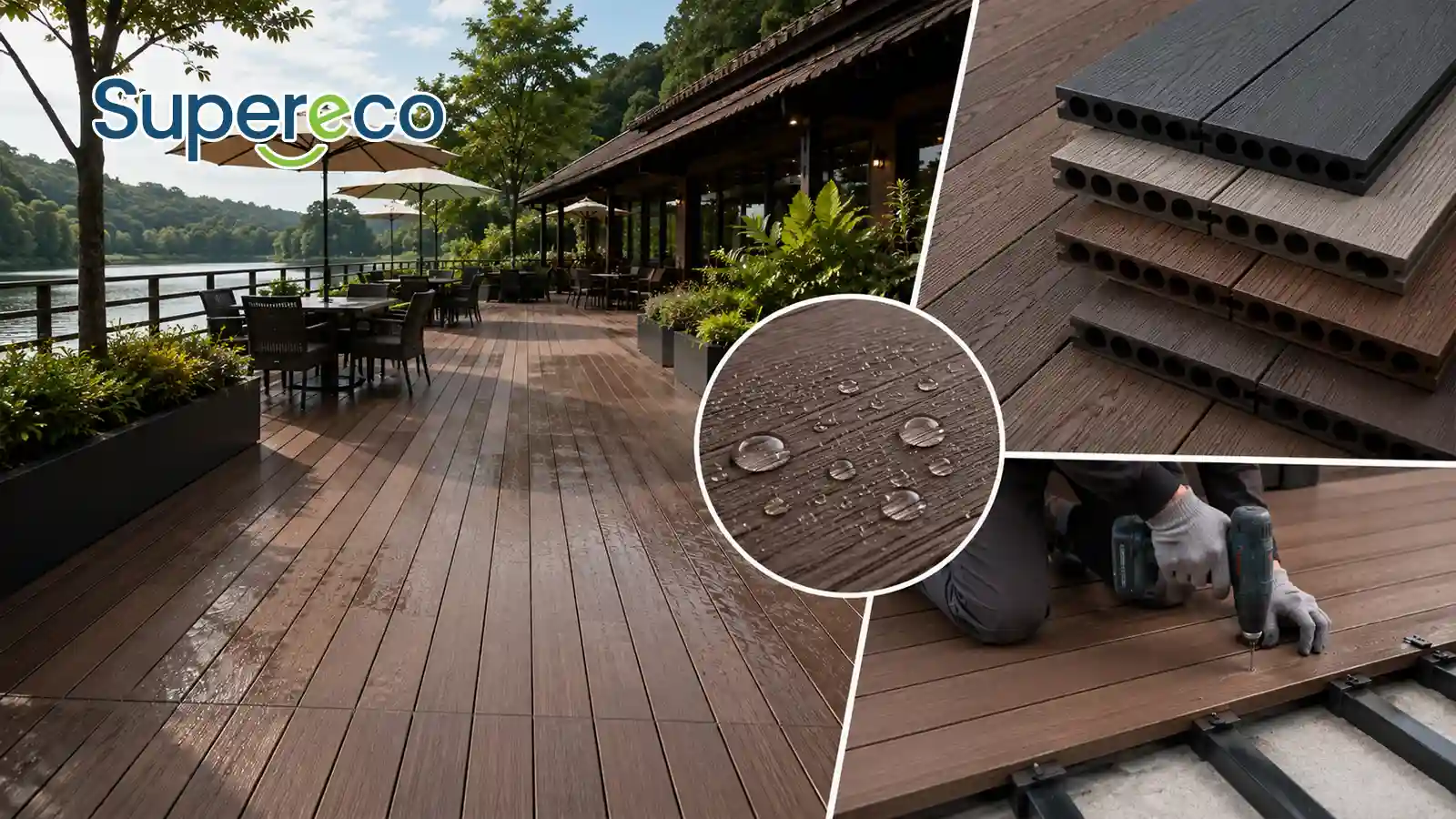
How Buyers Evaluate Composite Decking Performance Before Sourcing
Before comparing composite decking manufacturers, experienced procurement teams first evaluate whether the product is suitable for long-term commercial use.
Key performance considerations include:
Outdoor durability
Composite decking must withstand rain, humidity, UV exposure, and temperature changes without warping or cracking.
Slip resistance for safety compliance
Critical for public areas such as walkways, pool decks, and commercial outdoor spaces.
UV and color stability
Poor UV resistance often leads to fading and inconsistent appearance across installations.
Load-bearing performance
Important for high-traffic commercial environments and infrastructure projects.
Maintenance cycle cost
The real cost is not the material price, but long-term maintenance and replacement frequency.
A lower-priced product often leads to higher lifecycle cost if performance is unstable.
What Actually Affects the Total Cost of a Decking Project
When evaluating wholesale composite decking, many buyers initially focus on unit price. However, experienced procurement teams focus on total project cost.
Key cost drivers include:
- Raw material composition and density
- Production technology and surface treatment
- Installation labor efficiency
- Replacement frequency over time
- Logistics and container loading efficiency
- Packaging and export optimization
Total project cost is driven more by performance consistency than unit price alone.
Wholesale Composite Decking Pricing Factors You Should Understand
Pricing in bulk buy composite decking orders is influenced by multiple technical and commercial factors, not just supplier markup.
Main factors include:
- Wood fiber and polymer ratio
- Surface finishing technology (embossed, brushed, co-extruded)
- Product thickness and structural design
- Order volume and container quantity
- Custom color or branding requirements
- Export packaging standards
Understanding these variables helps buyers compare quotations more accurately and avoid misleading price-based decisions.
How to Plan Bulk Procurement for Large Commercial Projects
For large developments, bulk buy composite decking should be treated as a phased supply strategy rather than a one-time purchase.
Proper procurement planning should consider:
- Total project area and phased installation schedule
- Container shipping cycles and production lead times
- Batch-to-batch color consistency control
- Minimum order quantities for different product types
- Buffer stock planning for construction delays
Poor procurement planning often leads to installation delays or batch mismatches.
Common Procurement Risks in Composite Decking Projects
Many commercial buyers encounter avoidable sourcing issues when working with unstable suppliers or trading intermediaries.
Common risks include:
- Batch color inconsistency across shipments
- Shipping delays affecting construction schedules
- Inflexible MOQ for phased procurement
- Weak communication during production cycles
- Unstable long-term supply capacity
These risks often cost more than small price differences between suppliers.
How to Ensure Stable Long-Term Supply for Commercial Projects
Supply stability is one of the most critical but often overlooked factors in international decking procurement.
A reliable WPC decking manufacturer should ensure:
- Consistent raw material sourcing
- Standardized production processes
- Repeatable color and texture output
- Predictable production scheduling
- Stable export and logistics coordination
For multi-phase or long-term projects, supply reliability is more important than short-term pricing advantages.
Commercial Procurement Checklist for Composite Decking
Professional buyers often evaluate composite decking supplier using a standardized procurement checklist:
- Density meets structural requirements
- UV resistance tested for long-term outdoor exposure
- Slip rating suitable for commercial safety standards
- Warranty coverage typically 10–15 years
- Color deviation controlled within batch tolerance
- Load-bearing capacity verified for commercial traffic
- Production consistency across multiple batches
This checklist helps ensure technical consistency across large-scale installations.
When Buyers Should Work Directly with a Composite Decking Manufacturer
In most commercial sourcing scenarios, working directly with wholesale composite decking manufacturers provides clear advantages:
Better control over production consistency
Faster response for customization needs
More stable pricing for long-term cooperation
Direct access to engineering and technical support
Reduced risks from multi-layer supply chains
For OEM or private-label projects, manufacturer-level cooperation is often essential for maintaining consistency across markets.
Why Global Buyers Choose Supereco as Their Manufacturing Partner
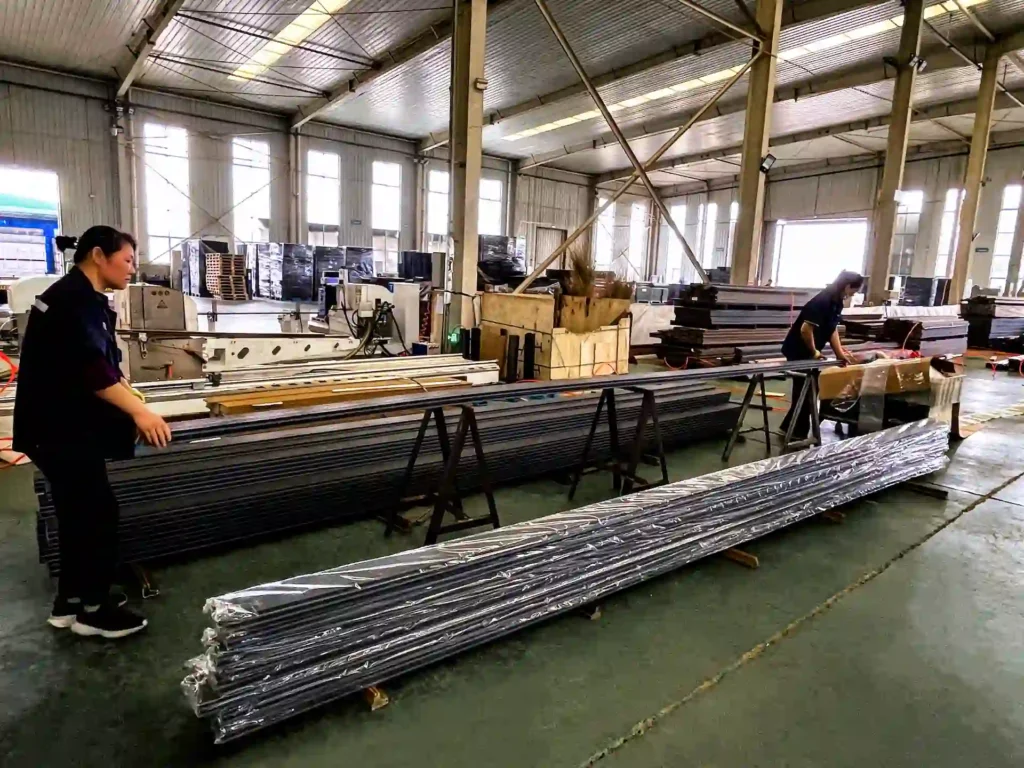
Supereco specializes in manufacturing high-quality composite decking, fencing, and wall cladding for global distributors, importers, wholesalers, and project developers.
We help our partners build reliable supply chains through consistent product quality, dependable lead times, flexible OEM & ODM services, and professional export experience.
Key manufacturing strengths include:
- 20+ years of expertise in WPC manufacturing since 2006
- 120+ advanced production lines ensuring large-scale output
- 200+ containers shipped monthly for stable global supply
- Trusted by partners in over 70 countries worldwide
Supereco is built to support long-term commercial procurement and large-scale infrastructure projects.

Frequently Asked Questions
1.How should I evaluate composite decking for a commercial project?
Focus on lifecycle cost, durability, slip resistance, UV stability, installation efficiency, and long-term supply reliability instead of only comparing price per square meter.
2.What affects the pricing of wholesale composite decking orders?Pricing depends on material composition, production technology, surface treatment, order volume, customization requirements, and export packaging standards.
3.How can I reduce risks when placing bulk composite decking orders?
Risks can be reduced by confirming production consistency, verifying technical specifications, planning phased shipments, and ensuring supplier capacity for repeat production.
4.What is the best way to plan procurement for large construction projects?
Divide the project into phases, align container deliveries with installation schedules, and ensure batch consistency to avoid color or texture variation across shipments.
Conclusion
Choosing composite decking for commercial projects requires a structured procurement approach focused on performance, lifecycle cost, and supply chain stability.
Instead of focusing only on initial pricing, experienced buyers evaluate technical consistency, production capability, and long-term supply reliability.
For importers, wholesalers, and project developers, working with an experienced composite decking manufacturer can significantly reduce procurement risks and improve long-term project outcomes.