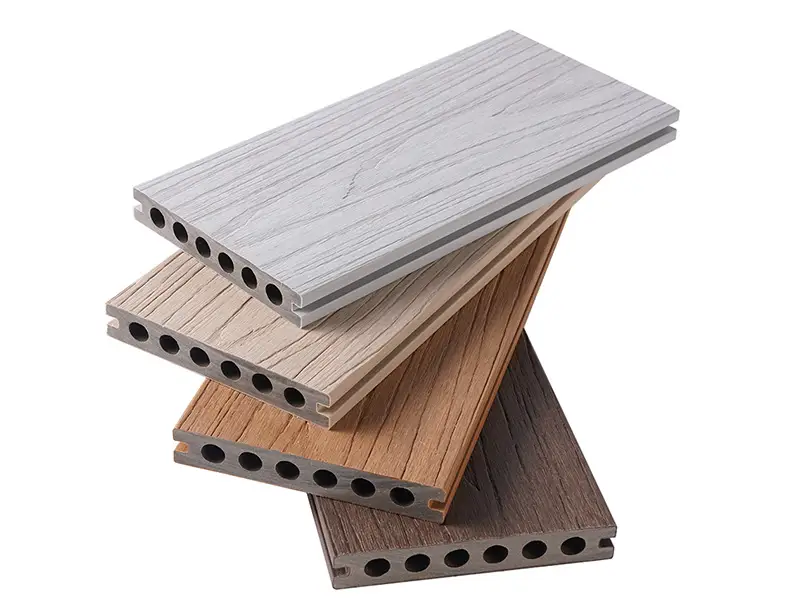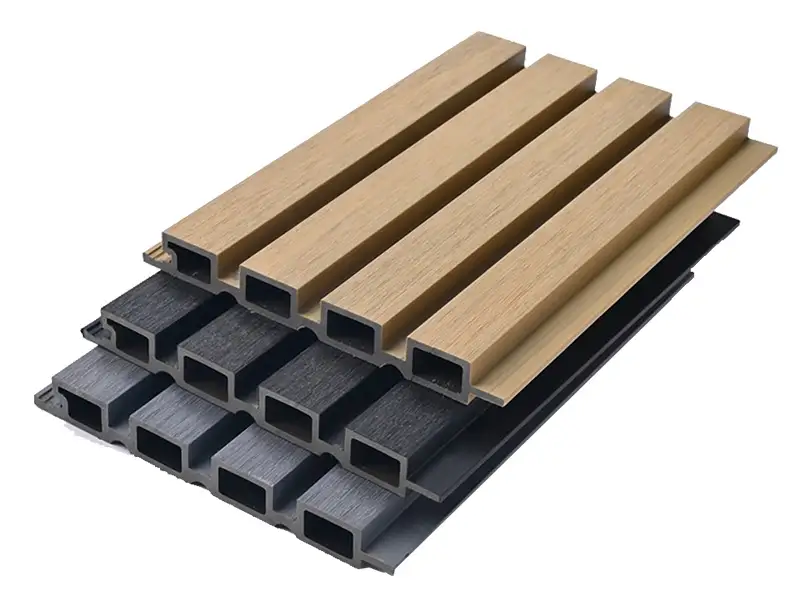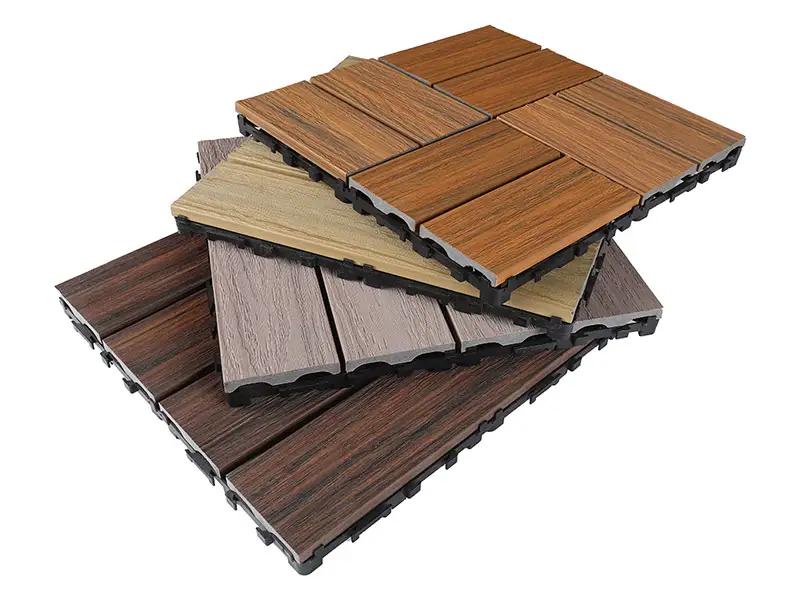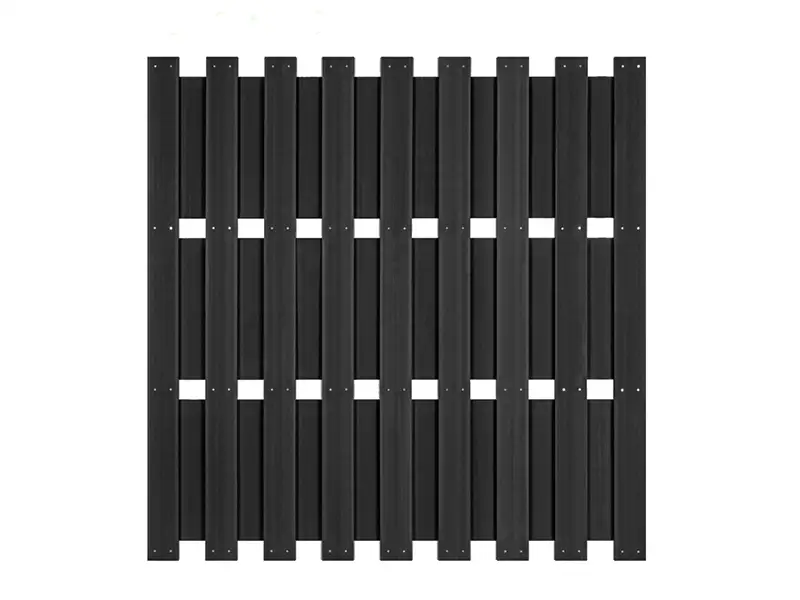
Walk through any international building materials exhibition, and you’ll quickly notice something interesting—many composite decking products look remarkably similar.
The same shades of grey. The same wood grain patterns. The same board profiles. Even the packaging often looks alike.
For homeowners, that may not seem like a problem. But for importers, distributors, wholesalers, and project suppliers, selling products that are nearly identical to everyone else’s creates a serious business challenge. When customers can’t see a meaningful difference, purchasing decisions often come down to one thing: price.
That’s one of the biggest reasons why more businesses are turning to custom composite decking instead of relying solely on standard products.
Customization isn’t simply about putting a private label on existing decking boards. It’s about developing products that better reflect local market demand, meet project specifications, strengthen brand positioning, and create value that standard catalog products simply can’t offer.
So, what motivates professional buyers to invest in customization?
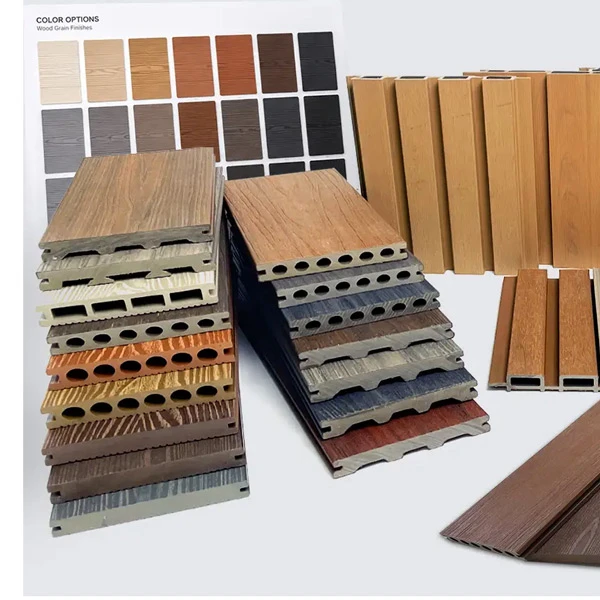
Standard Products Are Designed for Everyone—Not for Your Market
Standard decking products remain an excellent choice for many applications. They’re readily available, easy to source, and often come with shorter production lead times.
However, what works well in one country doesn’t always work in another.
A distributor in Northern Europe may find that contemporary grey decking consistently outsells traditional brown tones. In Australia, contractors may prefer longer decking boards to minimize installation joints. Meanwhile, hospitality projects in the Middle East often prioritize lighter colors that stay cooler under strong sunlight.
These differences aren’t exceptions—they’re the reality of today’s global construction market.
As customer expectations become more specific, buyers are increasingly looking for products that reflect regional design trends rather than settling for a one-size-fits-all solution.
This is where OEM composite decking begins to make commercial sense.
Instead of asking, “Which standard product should I buy?” experienced buyers ask a different question:
“How can I offer products that are a better fit for my customers?”
Standing Out Matters More Than Ever
One of the biggest challenges facing distributors today is product differentiation.
Many companies source from the same factories, choose similar colors, and sell nearly identical decking collections. As competition grows, maintaining healthy profit margins becomes increasingly difficult.
Custom products provide a practical way to break that cycle.
A unique color collection, an exclusive surface texture, or a customized profile gives customers a reason to choose one supplier over another without immediately comparing prices.
More importantly, exclusive products help distributors build long-term customer loyalty. When a particular decking collection is available only through one supplier, customers are more likely to return for future purchases rather than shopping solely on price.
In today’s competitive marketplace, differentiation is no longer a marketing advantage—it’s a business necessity.
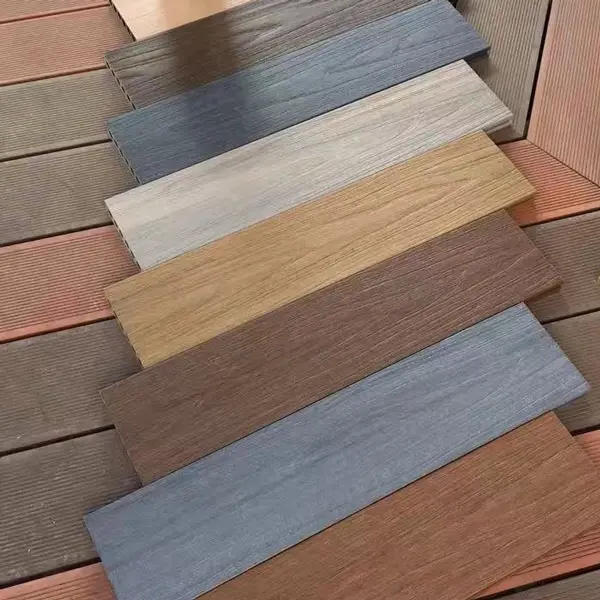
Every Market Has Its Own Preferences
Successful importers rarely assume that products popular in one country will automatically succeed somewhere else.
Consumer preferences are shaped by architecture, climate, lifestyle, and even cultural design trends.
For example, modern residential developments may favor minimalist grey finishes, while traditional housing projects often continue to prefer warm wood-inspired colors. Commercial projects frequently prioritize durability and easy maintenance, while luxury resorts may place greater emphasis on premium textures that closely resemble natural timber.
Understanding these differences allows distributors to build product collections that genuinely resonate with local buyers.
Rather than adapting their customers to standard products, experienced businesses adapt their products to the market.
This customer-first approach is one of the main reasons demand for custom composite decking continues to grow across global markets.
Projects Don't Always Follow Standard Specifications
Not every order is intended for retail distribution.
Many buyers supply commercial developments, residential communities, hotels, schools, parks, and public infrastructure projects, where architects and developers often specify detailed product requirements before construction even begins.
A project may require a particular board thickness to meet structural calculations. Another may specify a custom board length to reduce installation waste. Some developments require colors that coordinate with façade materials, landscape elements, or outdoor furniture.
In these situations, standard catalog products may simply not meet the project’s requirements.
Customization allows buyers to deliver solutions that satisfy both technical specifications and design expectations, helping them compete for projects that standard products cannot support.
For project suppliers, flexibility isn’t an added benefit—it’s often a prerequisite for winning the contract.
Customization Is About Business Growth, Not Just Branding
Many people assume customization is only relevant for companies launching their own private-label products.
In reality, branding is only one piece of the puzzle.
Some buyers customize products to improve installation efficiency. Others want to simplify inventory management by standardizing product dimensions across multiple projects. Many distributors develop exclusive collections to reduce direct competition, while contractors often need products tailored to the specific demands of large-scale developments.
Although their objectives differ, they all have something in common:
They’re looking for products designed around their business rather than products designed for the average market.
That’s why custom composite decking has evolved from a niche service into a strategic purchasing decision.
The businesses seeing the greatest long-term success are often those that move beyond buying what’s available and begin developing products that create real value for their customers.
So, What Can Actually Be Customized?
Understanding why buyers choose customization is only the first step.
The next question is far more practical:
What exactly can be customized, and how can those options help businesses become more competitive?
From exclusive colors and premium surface finishes to custom profiles, installation systems, OEM manufacturing, and private-label packaging, today’s leading manufacturers offer far more flexibility than many buyers realize.
In the next section, we’ll explore the customization options that have the greatest impact on product differentiation—and how Supereco helps global buyers transform ideas into market-ready decking solutions.
What Can Actually Be Customized—And What Creates the Most Value?
Not every customization option delivers the same business value.
Some changes simply improve aesthetics, while others can help win projects, simplify installation, strengthen brand recognition, or even improve profit margins. Experienced buyers rarely customize products just because they can—they focus on the options that solve real business challenges.
Here’s where customization makes the biggest difference.
The Right Color Can Help You Sell More
Color is often the first thing customers notice, and in many cases, it determines whether they’ll continue looking at the product.
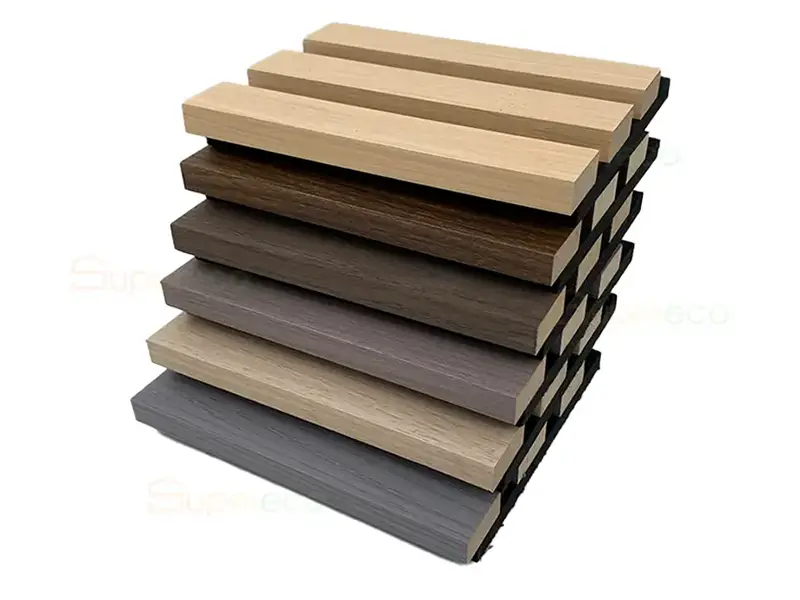
Market preferences vary significantly around the world. Contemporary grey collections have become increasingly popular across many European markets, while warmer wood-inspired tones continue to perform well in North America and parts of Southeast Asia. Commercial projects may require neutral colors that complement modern architecture, while hospitality developments often look for custom shades that reinforce a premium design concept.
Choosing the wrong color collection can make an otherwise excellent product difficult to sell.
That’s why color customization has become one of the most requested services among importers and distributors.
Rather than limiting customers to a fixed product catalog, Supereco offers more than 40 standard colors alongside solid colors, mixed colors, and custom color matching. Whether you’re creating an exclusive product line or matching an architect’s material palette, custom color development helps ensure your decking fits the market—not the other way around.
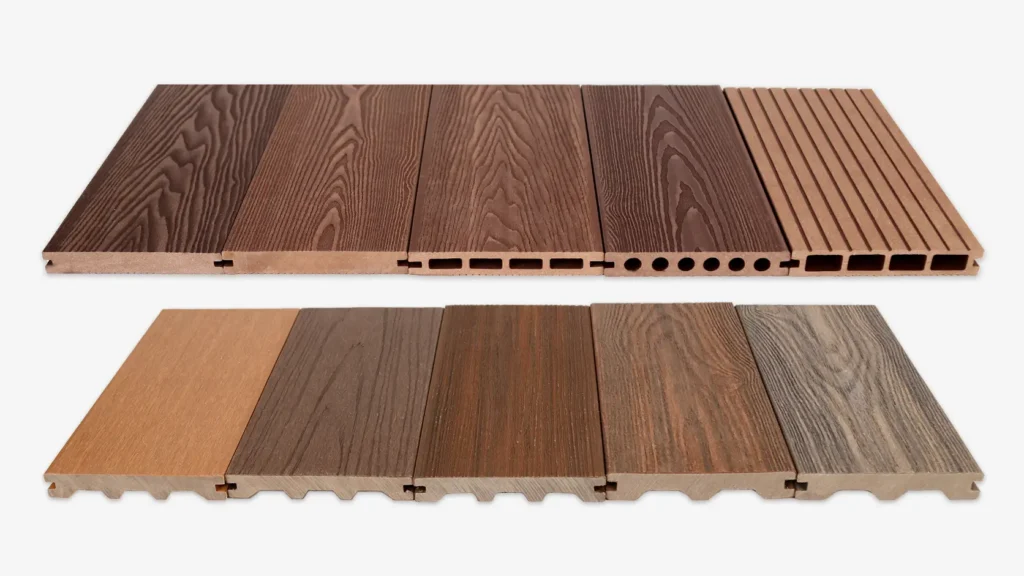
Surface Texture Influences How Customers Perceive Quality
Customers don’t just buy color—they buy appearance.
The surface texture of a decking board can dramatically influence how premium the finished installation feels.
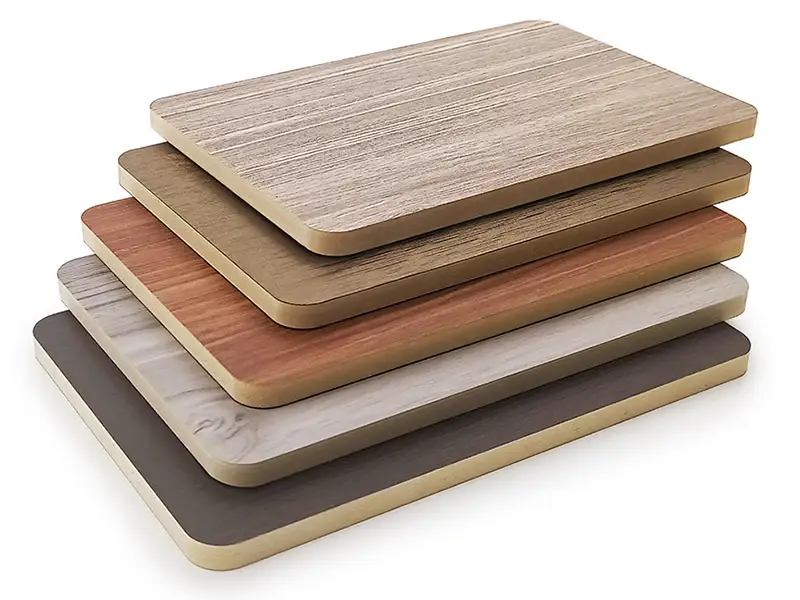
Some homeowners prefer a clean, contemporary finish that complements modern architecture. Others are looking for realistic wood grain textures that capture the warmth of natural timber without the maintenance challenges. Commercial spaces often require durable finishes that continue looking attractive under heavy foot traffic.
Selecting the right surface isn’t simply a design decision; it’s part of your product positioning strategy.
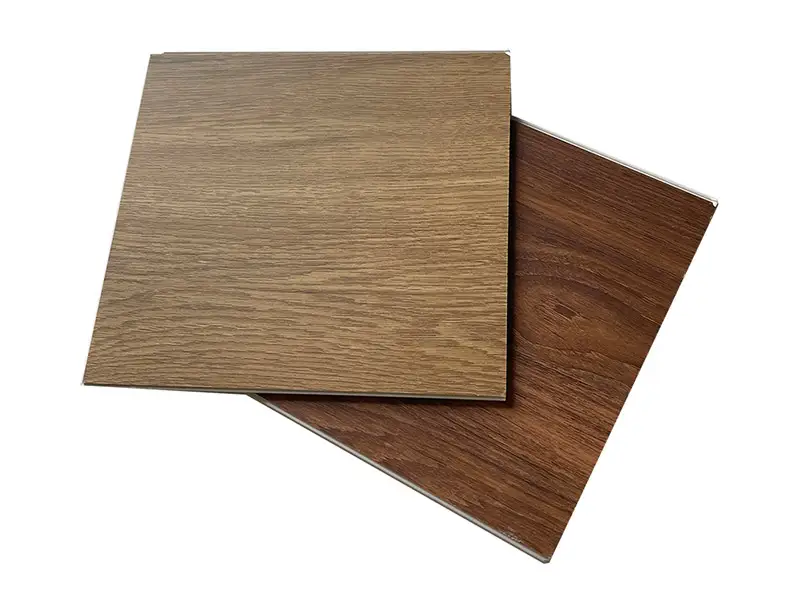
Supereco provides multiple surface options, including Flat Finish, Wood Grain, 3D Embossed, and Co-extrusion technologies, allowing buyers to develop collections that appeal to different customer groups while maintaining the durability expected from high-quality composite decking.
Custom Profiles Help Meet Local Standards and Project Requirements
One of the most overlooked aspects of customization is board profile.
Different countries follow different construction practices, and experienced contractors often have strong preferences regarding board dimensions, structural performance, and installation methods.
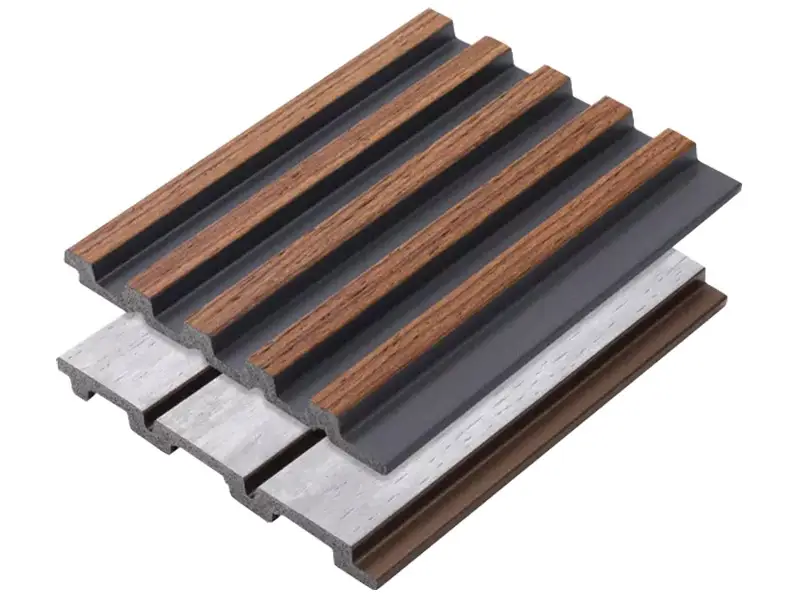
For example, reducing board weight may improve transportation efficiency, while increasing thickness may be necessary for commercial applications. Certain groove designs can also make installation faster or improve the finished appearance.
Instead of forcing customers to work with limited specifications, Supereco supports customization across solid and hollow profiles, M-Groove designs, custom thicknesses, and custom lengths.
This flexibility allows buyers to develop products that better suit regional building practices while reducing unnecessary compromises during installation.
A Complete Decking System Makes Procurement Easier
Many buyers discover that the decking board itself is only part of the purchasing process.
Joists, hidden clips, trims, and finishing accessories all need to work together. Sourcing these components from multiple suppliers can increase logistics costs, create compatibility issues, and complicate after-sales support.
Imagine receiving decking boards from one factory and installation clips from another—only to find they don’t fit perfectly on site. Delays like these can affect project schedules, increase labor costs, and damage customer confidence.
That’s why many professional buyers now prefer working with a composite decking supplier capable of providing a complete decking system.
Supereco supplies not only decking boards but also compatible joists, hidden clips, corner trims, and edge banding, helping customers simplify procurement while ensuring every component works together as intended.
OEM Manufacturing Should Feel Like a Partnership
Many first-time buyers assume OEM manufacturing is a complicated process filled with technical barriers.
In reality, an experienced WPC decking manufacturer should make customization straightforward.
Some customers begin with detailed engineering drawings. Others simply provide an existing sample and explain what they would like to improve—perhaps a new color, a different thickness, or a more durable surface finish.
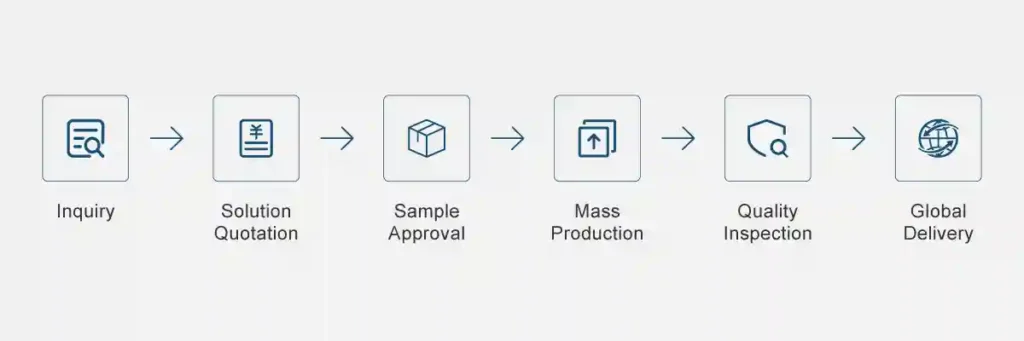
From there, the manufacturer develops production samples, confirms specifications, and proceeds to mass production only after approval.
Supereco supports both Drawing-Based OEM and Sample-Based OEM, combining flexible manufacturing with rigorous quality control throughout production. Every stage—from raw material inspection to dimensional accuracy, surface consistency, and final packaging—is carefully monitored to ensure reliable results, especially for bulk composite decking orders where consistency across every shipment is essential.
For buyers, a dependable manufacturing process reduces risk just as much as it delivers customization.
Packaging Is Often the First Brand Experience
Many businesses invest heavily in developing the right product but underestimate the importance of presentation.
Long before customers experience the performance of a decking board, they see the packaging.
Professional branding communicates reliability, creates recognition, and reinforces product value—particularly in competitive wholesale and retail markets.
Whether products are displayed in a distributor’s warehouse, a building materials showroom, or shipped directly to contractors, consistent branding helps strengthen customer confidence.
To support private-label businesses, Supereco offers logo printing, product labels, custom packaging, and complete private label solutions, allowing customers to build a cohesive brand without investing in their own manufacturing facilities.
Packaging isn’t simply the final step in production—it’s the beginning of the customer’s experience with your brand.
Choosing the Right Partner Is About More Than Manufacturing
The best customization projects don’t begin with a product—they begin with a conversation.
A reliable WPC decking supplier should understand your market, ask the right questions, identify potential challenges before production starts, and recommend solutions based on experience rather than simply following drawings.
At Supereco, customization goes beyond manufacturing. We work closely with importers, distributors, contractors, and brand owners to develop decking solutions that align with their markets, projects, and long-term business objectives.
Whether you’re looking to launch a private-label collection, supply a commercial development, or expand your existing product portfolio, our team supports every stage of the process—from product development and OEM manufacturing to quality control, branding, and global delivery.
Final Thoughts
Choosing custom composite decking isn’t about making products more complicated—it’s about making them more competitive.
As markets become more specialized and customer expectations continue to rise, standard products are no longer the best solution for every business. Buyers who invest in customization gain greater flexibility, stronger market differentiation, and products designed around real customer needs rather than generic specifications.
For companies seeking long-term growth, partnering with an experienced composite decking manufacturer is no longer just a sourcing decision—it’s a strategic investment in building products that stand out, perform consistently, and create lasting value.
With extensive OEM experience and flexible manufacturing capabilities, Supereco helps businesses turn ideas into high-quality decking solutions that are ready for today’s global marketplace.