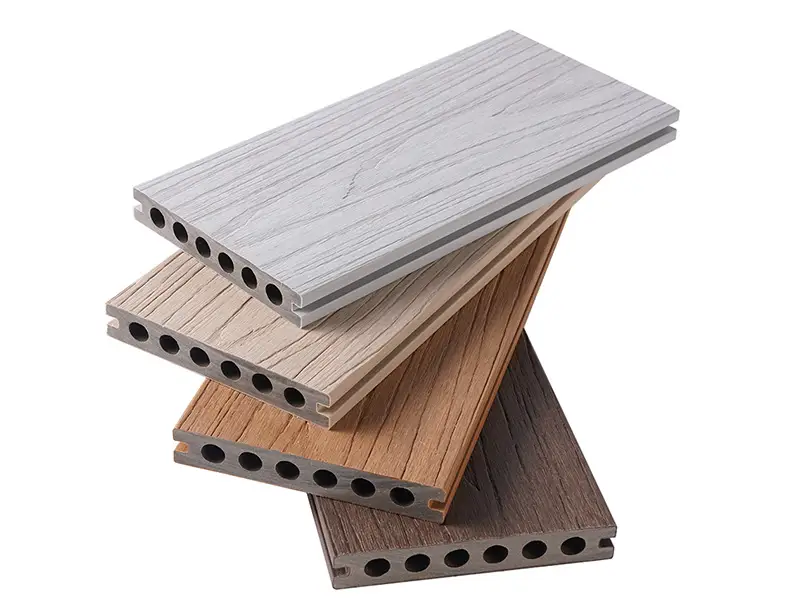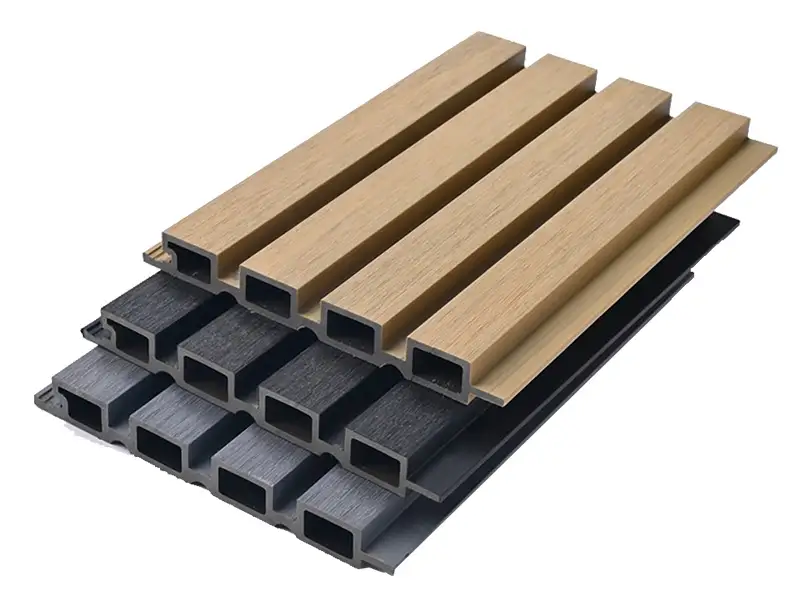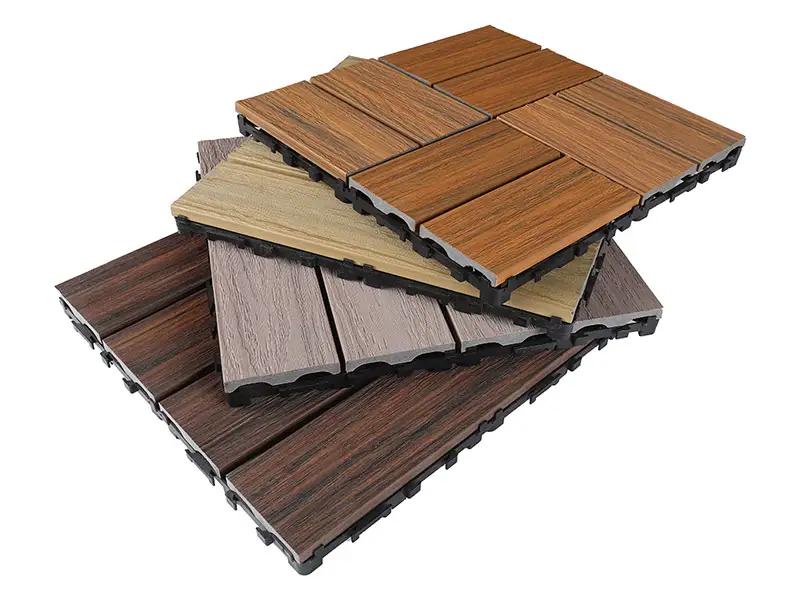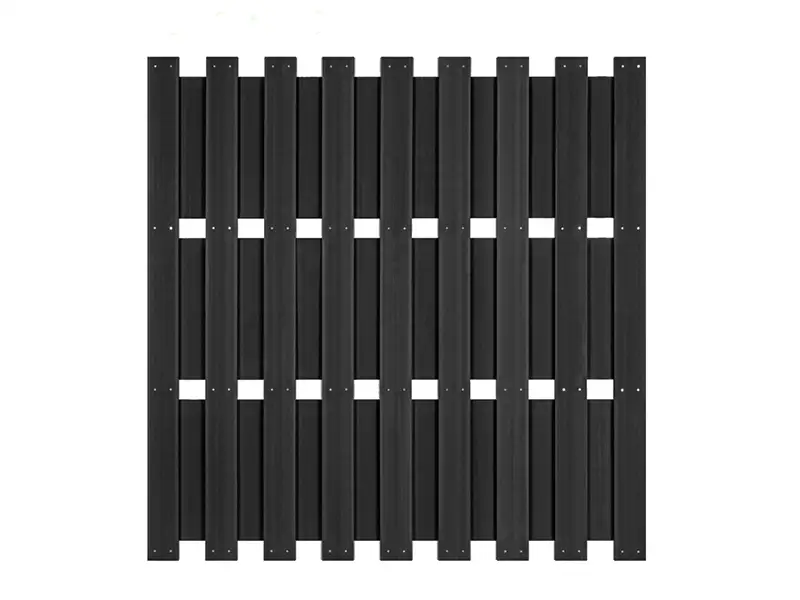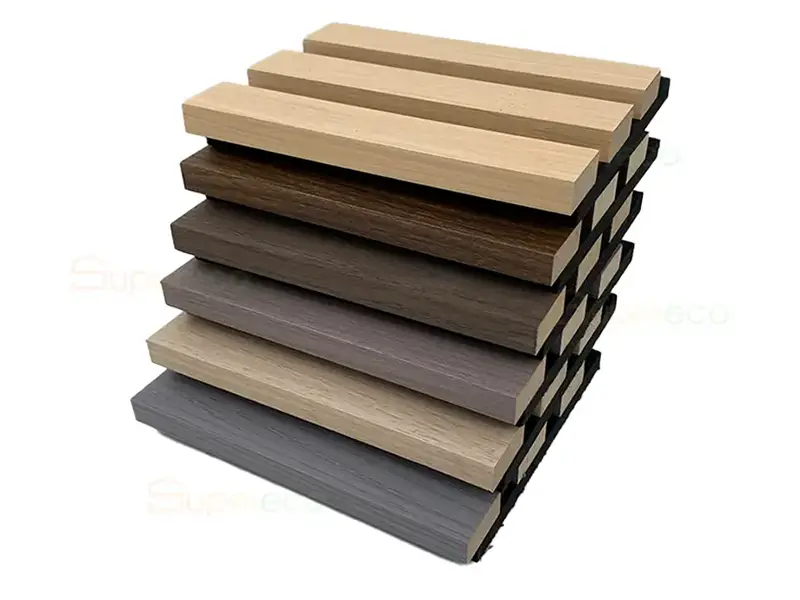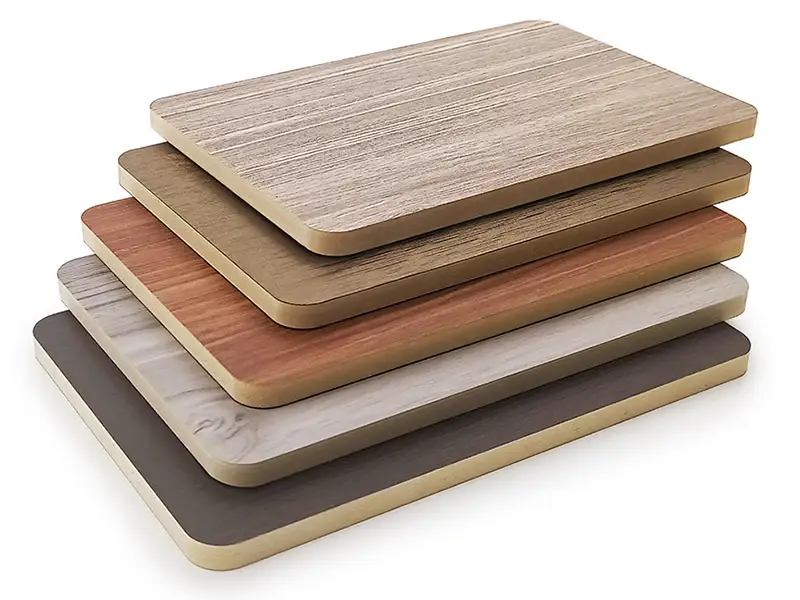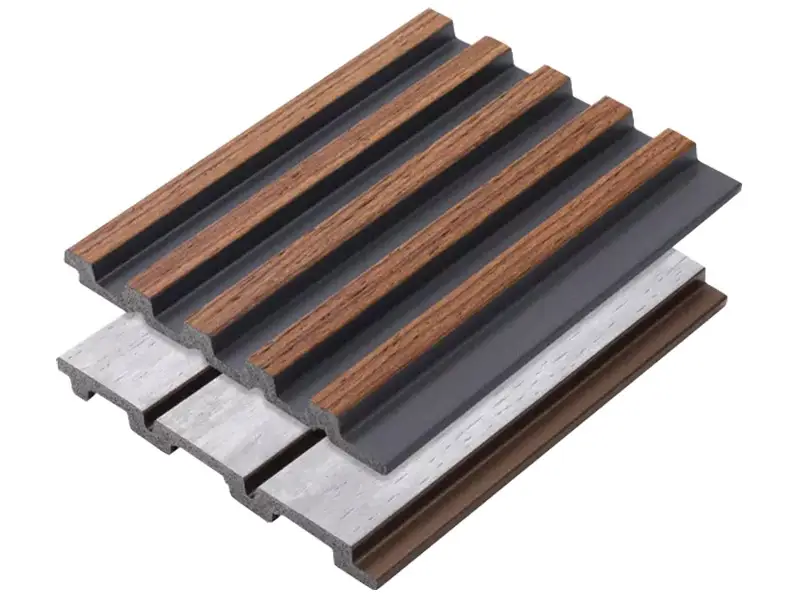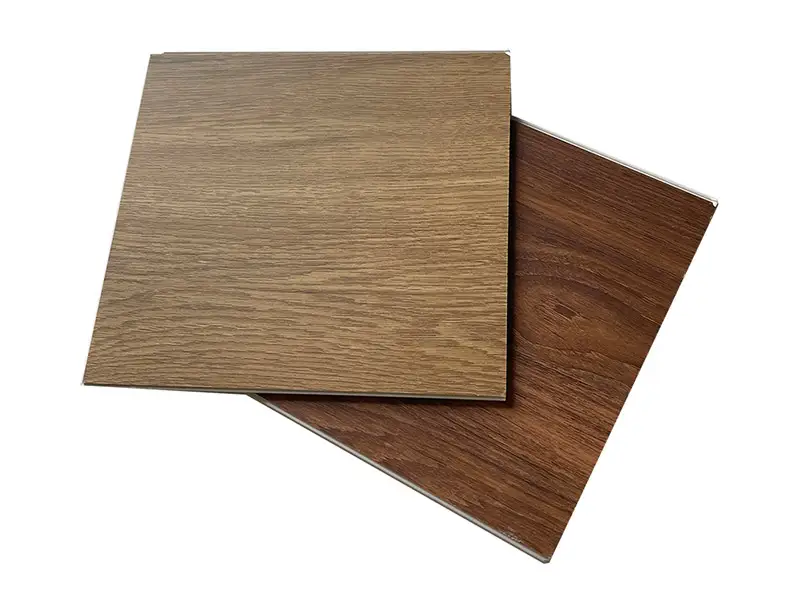
Yes, some composite decking can be painted, but it depends on the type of board and its surface. Older-generation uncapped composite decking may be suitable for painting in certain situations, while modern capped composite decking is generally not designed to be painted. Before applying any coating, buyers should always check the specific product’s structure and the manufacturer’s maintenance recommendations.
But for composite decking, “Can you paint it?” is only one part of the bigger color question. For distributors, importers, wholesalers, and project buyers, the more important issues are why composite decking changes color, how fading can be minimized, how much maintenance is required, and what should be checked before placing a bulk order.
1. Why Does Composite Decking Change Color?
A certain amount of color change after outdoor installation does not necessarily mean that composite decking has a quality problem.
Decking is exposed to sunlight, rain, temperature changes, and different outdoor conditions over time. UV exposure is one of the key factors affecting color stability, while the material formulation, surface structure, raw materials, and manufacturing process can also influence how the color changes.
For wholesale composite decking buyers, it is therefore better to look beyond the color of a newly produced board and evaluate:
- UV and weathering performance
- Surface structure and protection technology
- Stability of raw materials and formulation
- Color consistency between production batches
- Available test data or third-party testing reports
This is particularly important for products that will be supplied repeatedly. Color consistency affects not only the current order, but also future replenishment and project extensions.
2. Does Composite Decking Fade? How Do Different Products Compare?
Composite decking is not necessarily completely unaffected by color change. The key difference is the degree of color stability and fading between different products.
Traditional uncapped composite decking has its surface material directly exposed to the outdoor environment, so some color change can occur over time.
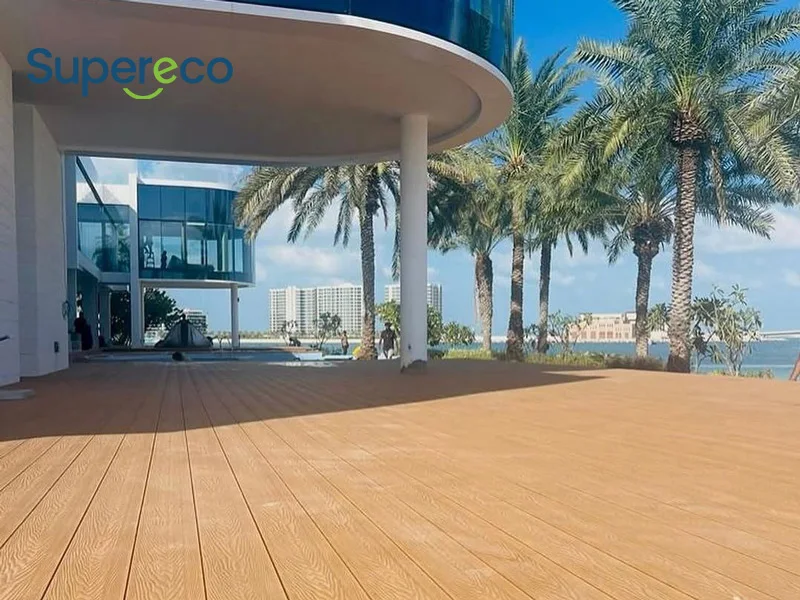
Modern capped composite decking adds a protective polymer layer over the core. This surface can reduce direct exposure to factors such as UV, moisture, and stains. As a result, surface technology and UV performance are important considerations when evaluating products for long-term outdoor use.
It is also worth being careful with claims such as “never fades.” A more practical way to evaluate a product is to compare its UV testing, weathering performance, surface structure, and actual application performance.
3. How Can Buyers Reduce Fading and Color Inconsistency?
For decking that has already been installed, proper maintenance can help preserve its appearance. But for B2B buyers, the more effective approach is to address color stability before the product is ordered.
Three things to check before purchasing:
First, confirm the color and surface technology.
Different product series and surface structures can have different long-term appearance characteristics. Buyers should understand whether the product is traditional or capped and what type of surface treatment it uses.
Second, check UV and weathering performance.
Do not evaluate a product only from supplier color photos. For commercial projects and long-term supply, relevant testing data provides a more reliable basis for comparison.
Third, check batch-to-batch consistency.
If a project requires phased deliveries or future replenishment, maintaining consistent color between production batches is critical.
This is why choosing a reliable composite decking supplier is not simply about comparing unit prices. For distributors and project buyers, the supplier’s ability to consistently produce the same colors, profiles, and surface finishes can be more important than a small difference in the initial order price.
4. Why Is Capped Composite Decking Often Better for Low-Maintenance Applications?
One of the reasons composite decking has become popular is that, compared with traditional wood decking, it generally requires less frequent painting, staining, and surface maintenance.
For modern capped composite decking, the outer protective layer plays an important role. By reducing direct exposure of the core material to outdoor conditions, it can be better suited to applications where long-term appearance, routine maintenance, and overall product stability are important.
This is particularly relevant when sourcing wholesale WPC decking.
A distributor is not simply purchasing boards. They are also choosing a product that they may need to explain and support in their market. If a product requires frequent repainting or complicated maintenance, this can increase the end customer’s long-term cost and affect the product’s competitiveness.
For this reason, buyers should consider the complete picture:
- Initial purchase cost
- Color stability
- UV and weathering performance
- Routine cleaning requirements
- Long-term maintenance cost
- Intended application environment
5. If Composite Decking Has Faded, Should You Paint or Replace It?
The answer depends on the type of decking, degree of fading, and current condition of the boards.
If older uncapped composite decking is structurally sound, outside its warranty period, and the manufacturer permits painting, repainting may be considered as a refurbishment option.
For modern capped composite decking, however, painting the surface simply to change its color is generally not recommended. A more appropriate approach is usually:
Minor color change → Normal cleaning and maintenance
Surface contamination → Clean according to the manufacturer’s recommendations
Appearance issue but boards remain structurally sound → Check the product’s maintenance guidance
Significant board damage → Evaluate replacement
Product still under warranty → Contact the original supplier or manufacturer first
Therefore, dealing with fading is not simply a question of “which paint should I use?” For B2B buyers, the more important decision is selecting the appropriate product type and surface technology before installation.
6. What If Buyers Need a Specific Composite Decking Color?
For distributors, importers, and project buyers, color selection is better solved during the purchasing stage than after installation through repainting.
For example, a distributor developing its own product range may need to consider:
- Which colors suit the target market
- Whether light, dark, or mixed colors are needed
- Whether wood grain or 3D embossed surfaces are preferred
- Whether standard colors need to be replenished over the long term
- Whether custom color matching is available
- Whether future orders can maintain color consistency
If a supplier can provide both standard and custom colors, buyers have more flexibility to build a stable product range for their market.
For buyers developing their own product collections, discussing colors, profiles, and surface options directly with a composite decking manufacturer is generally a more practical approach than trying to solve color requirements after installation.
7. What Color and Quality Factors Should B2B Buyers Check Before Ordering?
For a single small project, color may be only one part of the purchasing decision.
For long-term distribution, importing, or project supply, however, color needs to be considered as part of the overall supply chain.
Before placing an order, buyers should confirm:
| Purchasing Factor | What to Check |
|---|---|
| Product structure | Traditional or Capped? |
| Color | Standard or custom color? |
| UV performance | Is relevant test data available? |
| Surface finish | Flat, Wood Grain, or 3D Embossed? |
| Batch consistency | Can future replenishment maintain color consistency? |
| Profile | Solid or Hollow? Are custom dimensions available? |
| MOQ | What is the minimum order quantity? |
| Lead time | What is the normal production time for bulk orders? |
| Supply capacity | Can the same product be supplied consistently? |
| Packaging | Are pallet/no-pallet and different loading options available? |
| Testing | Does the supplier have in-house and third-party testing support? |
For bulk composite decking orders, the last point is particularly important. Production capacity and quality control ultimately affect whether color, dimensions, and product performance remain consistent across different production batches.
8. How Does Supereco Help Reduce Color and Supply Risks?
For WPC decking, color performance is influenced not only by the finished board, but also by raw materials, production equipment, surface technology, and quality control.
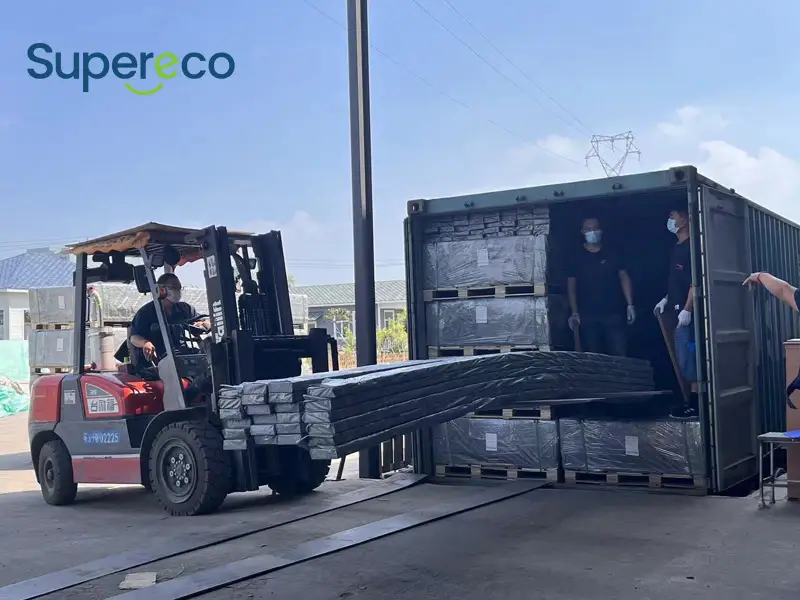
Supereco operates 120+ production lines with export capacity of more than 200 containers per month, supporting continuous large-volume production and supply. The company has also been expanding into international markets since 2008, building long-term experience with different overseas market requirements and international trade.
In product technology, Supereco has 63 valid patents, including 27 invention patents, as well as its own laboratory and a national-level testing center with full EN 15534 testing capability for systematic WPC product performance verification.
For capped co-extrusion decking, Supereco uses co-extrusion raw materials sourced from the United States and Saudi Arabia, supporting stable color, strength, and surface performance.
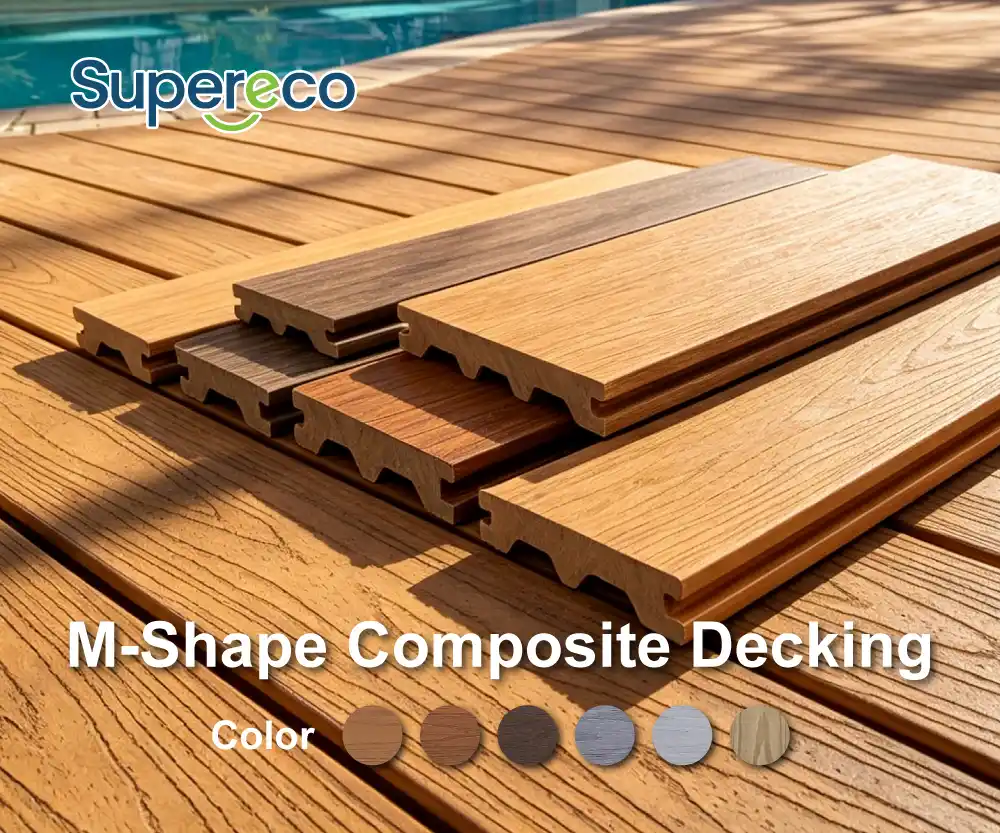
For color selection, Supereco offers 40+ standard colors as well as custom color matching. For distributors, importers, and project buyers, this allows color requirements to be addressed during product development and purchasing rather than relying on repainting after installation.
Final Takeaway: The Real Question Is Not Just “Can You Paint It?”
So, can you paint composite decking? Some products can be painted, but whether painting is appropriate depends on the specific product structure and the manufacturer’s recommendations.
For B2B buyers, the more important questions are why the decking may fade, how stable the color will remain, how much maintenance it will require, and whether the supplier can maintain consistent color and quality across long-term orders.
Looking for standard or custom WPC decking for your market or project? Explore Supereco’s product range, colors, profiles, and OEM options.