When sourcing composite decking wholesale, most importers assume the main risk is price comparison. In reality, the biggest problems rarely come from unit cost differences—they come from supplier capability, material inconsistency, and lack of production control.
Many buyers only realize these issues after shipment arrives: color differences, unstable quality, delayed delivery, or even complete project disruption. These problems are especially common when working with a low-quality composite decking supplier or trading intermediary without real factory control.
This article breaks down the 10 most critical mistakes global buyers make when sourcing composite decking from China, along with the real consequences and practical solutions to avoid them.

1. Choosing suppliers without verifying real factory capacity
One of the most common mistakes importers make is trusting a supplier’s website or sales claims without verifying actual production capacity.
Many so-called manufacturers are small workshops or trading companies outsourcing production. They may offer competitive pricing, but they cannot guarantee stable output.
Consequences:
This often leads to delayed shipments, inconsistent batch quality, and inability to fulfill large-volume orders during peak seasons. For large construction projects, this can directly delay installation timelines.
Solution:
Always verify:
- Number of extrusion production lines
- Monthly output capacity
- Factory video or onsite audit
- Historical export volume
A reliable composite decking supplier in China should have transparent production capability and scalable manufacturing systems.
2. Ignoring raw material stability between batches
Composite decking is highly sensitive to raw material composition, including wood powder, plastic content, and additives. Even small adjustments can affect performance.
Consequences:
- Color variation between batches
- Reduced outdoor durability
- Warping or cracking under long-term exposure
Solution:
Professional buyers require strict batch consistency control. Always confirm:
- Fixed production formula
- Raw material sourcing standards
- Quality consistency across shipments
3. Misjudging co-extrusion protection quality
Not all co-extrusion decking is equal. The protective cap layer determines UV resistance, scratch resistance, and long-term surface stability.
Consequences:
- Surface fading within a short period
- Reduced scratch resistance
- Shortened product lifespan
Solution:
Request technical specifications such as:
- Cap layer thickness
- UV resistance testing data
- Abrasion resistance test reports
When sourcing from a composite decking manufacturer, never rely on marketing terms alone—always validate technical performance.
4. Assuming sample quality represents mass production
Samples are often produced under controlled conditions using higher-grade materials and slower production speed.
Mass production, however, operates under different efficiency and cost constraints.
Consequences:
Buyers may receive large shipments that differ slightly in color, density, or surface texture compared to approved samples.
Solution:
Implement a pre-production approval process:
- Confirm master sample
- Approve production standard sheet
- Conduct pre-shipment inspection
This ensures consistency when scaling composite decking wholesale orders.
5. Ignoring mold ownership and tooling control
Molds determine product profile, locking system, and structural precision. However, many buyers overlook whether molds are owned by the factory.
Consequences:
- Risk of product discontinuation
- Changes in product specifications
- Dependence on a single supplier
- Limited OEM flexibility
Solution:
For OEM or long-term projects, always confirm:
- Mold ownership rights
- CAD drawings availability
- Tooling documentation
This is critical for building a stable sourcing strategy.
6. Miscalculating container loading efficiency
Many importers focus only on price per square meter without analyzing container utilization.
However, packaging design, board length, and stacking efficiency directly affect shipping cost.
Consequences:
- Lower container utilization
- Higher freight cost per unit
- Reduced overall profitability
Solution:
Work with your WPC decking supplier to optimize:
- Board length combinations
- Packaging structure
- Container loading plans
Small improvements in loading efficiency can significantly reduce total landed cost.

7. Overlooking thermal expansion behavior
Composite decking expands and contracts with temperature and humidity changes. This natural property must be considered during product selection and installation planning.
Consequences:
- Improper installation gaps
- Warping or deformation
- Long-term structural instability
Solution:
Always request:
- Expansion rate testing data
- Installation guidelines for different climates
- Temperature resistance specifications
Different markets require different material formulations depending on environmental conditions.
8. Working with suppliers without export experience
Export experience is often more important than production capability itself. Suppliers without international experience may struggle with packaging standards, documentation, or compliance requirements.
Consequences:
- Customs clearance delays
- Incorrect labeling or documentation
- Shipping inspection failures
Solution:
Choose a composite decking supplier in China with proven export experience across multiple markets such as Europe, North America, and the Middle East.
9. Ignoring UV resistance requirements by market
UV exposure varies significantly across regions. A product suitable for moderate climates may fail quickly in high UV regions.
Consequences:
- Rapid fading in outdoor environments
- Surface degradation
- Reduced customer satisfaction and warranty claims
Solution:
Specify target market conditions and request:
- UV aging test reports
- Weather resistance data
- Long-term exposure testing results
Proper formulation ensures performance consistency across regions.
10. Working with trading companies instead of real manufacturers
One of the most costly mistakes is sourcing from trading companies that do not control production.
While they may offer lower MOQs or faster communication, they cannot guarantee production stability or consistent quality.
Consequences:
- Unstable supply chain
- Limited customization capability
- Weak after-sales support
- Higher long-term sourcing risk
Solution:
Always verify whether you are working directly with a factory. A real Wholesale composite decking should provide:
Production line access
Technical engineering support
OEM customization capability
Direct quality control system

Why Global Buyers Choose Supereco
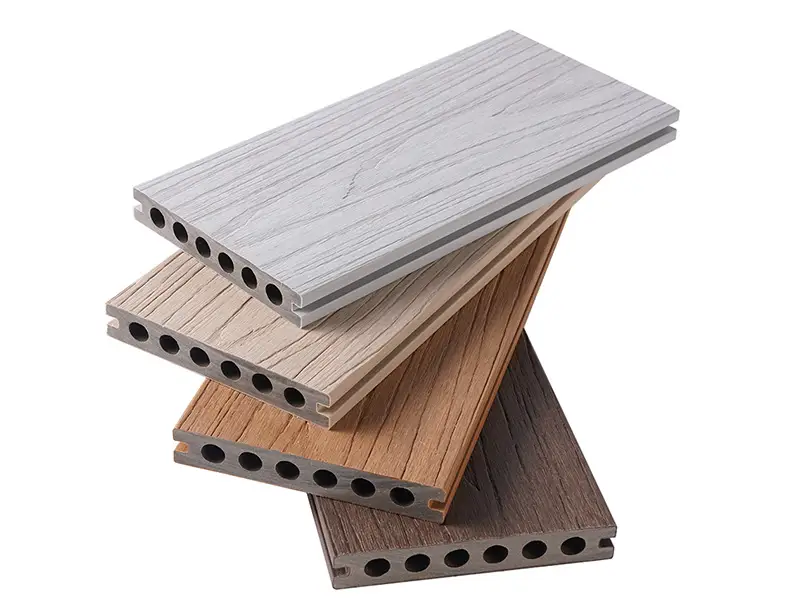
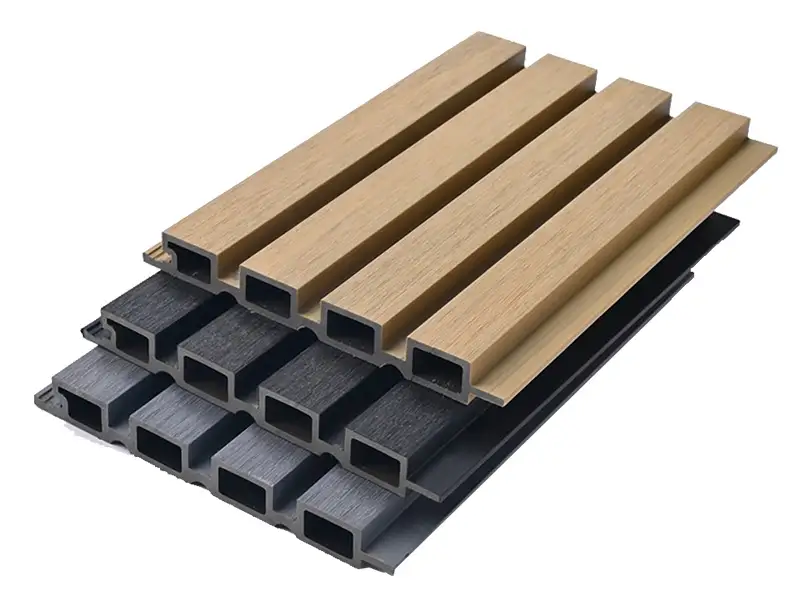
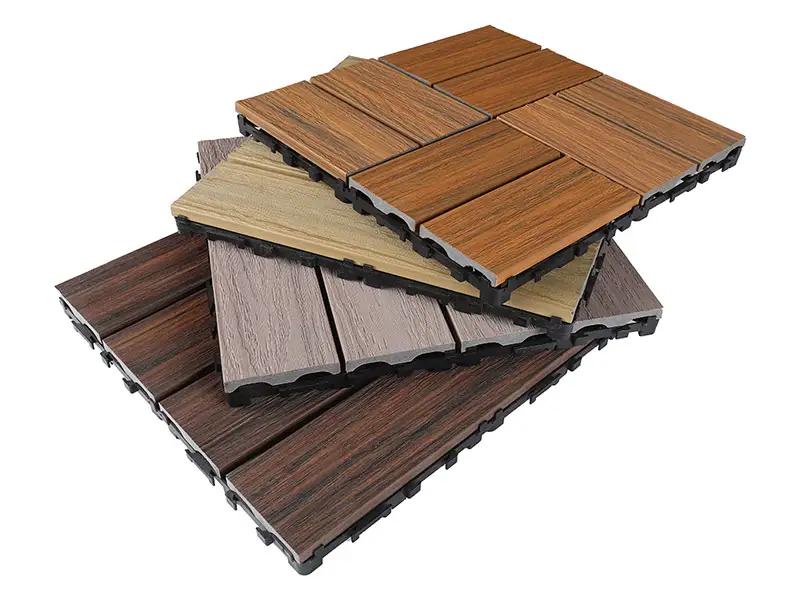
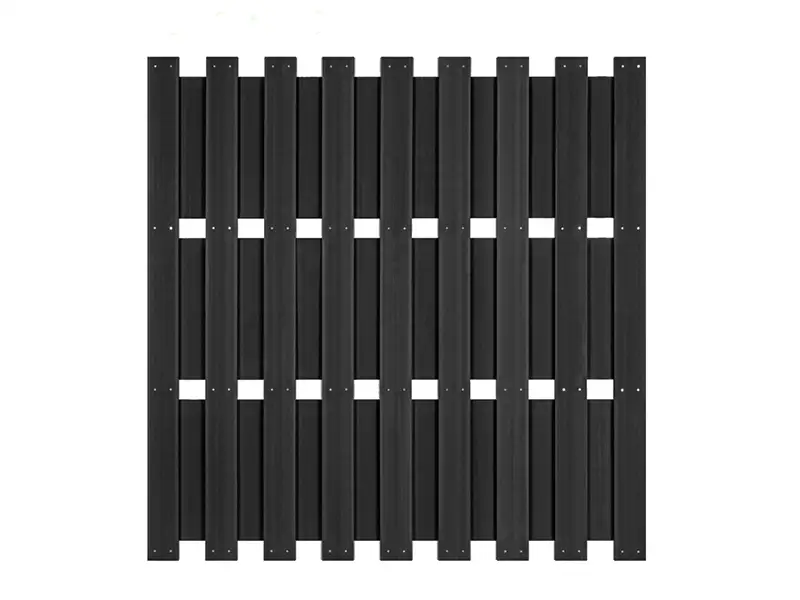
Supereco has over 20 years of expertise in WPC manufacturing since 2006, specializing in high-quality composite decking, fencing, and wall cladding for global markets.
With 120+ advanced production lines, Supereco delivers large-scale, efficient, and cost-optimized production capacity. The company ships over 200 containers monthly, ensuring stable supply, fast fulfillment, and reliable global logistics.
Trusted by partners in more than 70 countries, Supereco has built a strong reputation among global distributors, importers, wholesalers, and project developers.
Supereco supports long-term partnerships through:
- Consistent product quality control
- Reliable production lead times
- Flexible OEM & ODM customization
- Professional export and logistics experience
Our goal is to help global buyers build stable, scalable, and low-risk supply chains for composite decking and related WPC products.